
Blooming
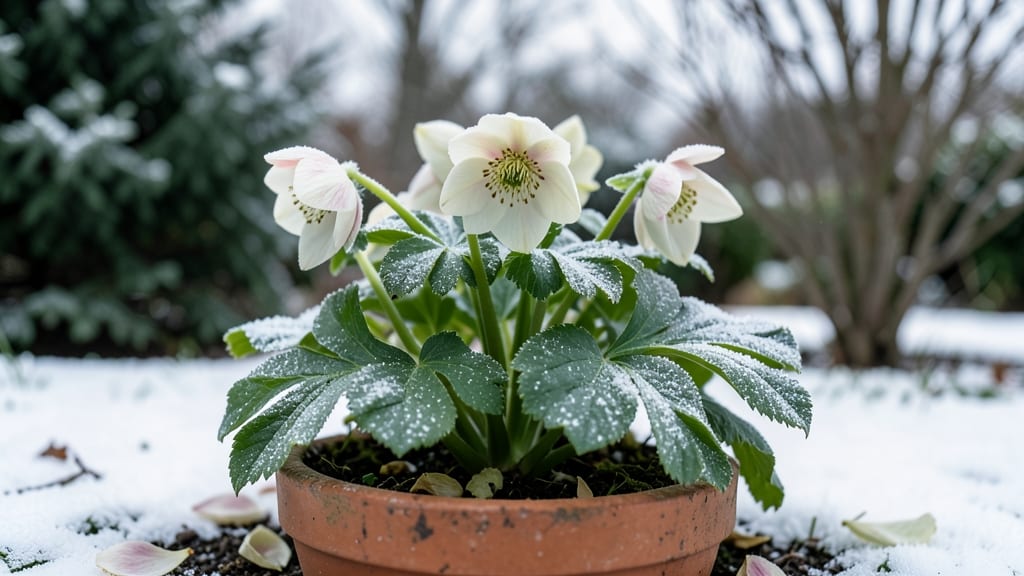
Winter’s most stubborn beauty arrives when most gardens sleep—hellebore blooming season stretches from late December through March, with some varieties pushing into spring. 🌱 I’ve watched these leathery leaves and delicate flowers brave snowflakes and ice, proving winter isn’t the end of color.
The key? Understanding which varieties bloom first, how climate shifts their schedule, and how to coax them into flowering longer than their neighbors.
Most hellebores start in January or February, with Helleborus niger (Christmas rose) leading the charge in colder zones, while Helleborus orientalis varieties often bloom later, sometimes as late as April.
In milder climates like the Pacific Northwest or Southern California, blooms can appear as early as November—or even stretch into May. The secret to timing? Light exposure, soil moisture, and choosing the right variety for your zone.
A single plant can reward you for months if you give it the right conditions.
What you’ll love most is how hellebores transform a dormant garden into a living painting. Their nodding blooms—ranging from creamy white to deep purple—catch light like tiny lanterns, while their evergreen foliage stays crisp even under frost.
With the right care, you can extend their show by 4-6 weeks beyond the average season, turning your winter garden into a magnet for pollinators and admirers alike. The best part? They thrive in shade, making them perfect for tricky spots under trees or along north-facing walls.
Fair warning: not all hellebores bloom the first year, and some varieties need a few seasons to settle in. But once they do, they’ll repay your patience with reliable, frost-defying color when you need it most. Here’s how to set them up for their longest, most dramatic performance yet.
📚 In This Guide
- What you need
- Instructions
- Tips and common mistakes
- Wrapping up and next steps
What you need
- ● Hellebore plants: 2–5 mature plants (depending on desired coverage; spacing ~12–18 inches apart)
- ● Varieties: Helleborus niger (Christmas rose), Helleborus orientalis (Lenten rose), or hybrids
- ● Well-draining soil: 1 part garden soil
- ● 1 part compost or aged manure
- ● 1 part perlite or coarse sand (for drainage)
- ● Mulch: 2–3 inches of shredded bark, pine needles, or leaf mold (to insulate roots)
- ● Slow-release fertilizer: 10-10-10 or 5-10-10 (1–2 tbsp per plant, spring/fall)
- ● Garden tools: Trowel or hand shovel
- ● Pruners (sterilized)
- ● Garden gloves
- ● Epsom salt (1 tbsp dissolved in water for magnesium boost, 2x/year)
- ● Pebble tray or saucer (to catch excess water in containers)
- ● Support stakes (for tall hybrids like H. orientalis ‘Pink Frost’)
- ● Drip irrigation system (for consistent moisture in dry winters)
- ● Frost cloth (lightweight, for early-season protection in harsh climates)
How to extend your hellebore blooming season
Winter's hardiest blooms thrive with just a few strategic adjustments—here's how to coax your hellebores into longer, more vibrant displays.
🌱 Step 1: Choose the Right Varieties for Your Climate
Hellebores naturally bloom in late winter to early spring, but some varieties push boundaries. Helleborus niger (Christmas rose) often flowers as early as December, while Helleborus orientalis varieties like 'Pink Frost' or 'Black Beauty' bloom February through April. Check your USDA zone—hardy hellebores (zones 3-9) perform best with minimal intervention.
I always plant at least one early variety and one late variety to extend the show. For example, pairing 'Jacob' (deep purple blooms in February) with 'Davy' (soft pink in March) creates a 6-week display. The key is matching bloom times to your coldest months—hellebores need chill hours to trigger flowers, so avoid warm-winter zones where they may bloom erratically.
☀️ Step 2: Optimize Light and Soil for Prolonged Blooming
Hellebores thrive in partial to full shade, but too little light weakens stems and reduces flower counts. Aim for 3-6 hours of dappled sunlight daily—morning sun with afternoon shade works best. In hot climates, afternoon shade is critical to prevent leaf scorch, which diverts energy from blooming.
Amend heavy clay soil with 3 inches of organic matter (like compost or leaf mold) before planting. Hellebores hate soggy roots but also despise dry spells. I mulch with 2-3 inches of shredded bark in fall to insulate roots and retain moisture through winter. The mulch breaks down slowly, feeding plants as they emerge from dormancy.
✂️ Step 3: Prune Strategically After Each Bloom Cycle
Never cut back hellebore foliage until late summer—those broad leaves photosynthesize year-round, fueling next year's blooms. After flowers fade in late spring, wait until July or August to trim spent stems to the ground. This timing ensures leaves stay active until frost.
Here's the thing—if you prune too early, you'll sacrifice next year's flowers. I mark stems with a flag after blooming to remind myself to wait. For overcrowded clumps, divide in early fall (September) when roots are still active but before hard frosts. Space divisions 12-18 inches apart—hellebores resent competition.
💧 Step 4: Water and Fertilize for Winter Resilience
Hellebores are drought-tolerant once established, but consistent moisture in their first year encourages strong root systems. Water deeply once every 2 weeks during dry spells in fall and spring—let the top 2 inches of soil dry between waterings. Overwatering in winter causes rot, while drought stress reduces bloom size.
Feed lightly in early spring (March) with a balanced 10-10-10 fertilizer at half strength. Avoid high-nitrogen fertilizers—they promote leafy growth at the expense of flowers. I also top-dress with compost in fall to replenish nutrients without burning tender roots.
⏰ Step 5: Protect Blooms from Late Frosts and Pests
Hellebores are frost-hardy, but late spring frosts can damage tender buds. In zones 5-7, I cover plants with frost cloth when nighttime temps drop below 25°F. Remove the cloth during the day to prevent overheating—hellebores need sunlight to recover from cold snaps.
Watch for slugs and snails, which adore hellebore leaves. I set out beer traps (shallow dishes of beer) near plants in early spring. For aphids, spray with neem oil in late summer to prevent infestations before buds form. Healthy foliage = more flowers next season.
Tips & tricks for extending your hellebore blooming season
These practical insights will help you maximize your hellebores' winter display without the guesswork.
Variety Pairing Strategy: When selecting varieties, consider your local frost dates. In colder zones (3-5), prioritize Helleborus niger for December blooms, then add Helleborus orientalis varieties like 'Pink Frost' that extend into April. The secret is creating a staggered bloom sequence—think of it like a floral relay race where each variety takes its turn shining.
Light Optimization: That 3-6 hours of dappled sunlight is non-negotiable, but here's the trick: Use sheer curtains or lattice screens to diffuse harsh afternoon sun in hot climates. I've seen hellebores in Zone 8 thrive with morning sun only when protected this way. The goal is to prevent leaf scorch while maintaining enough light for photosynthesis—it's all about balance.
Pruning Precision: The July-August pruning window is your golden opportunity, but timing is everything. Wait until you see new growth emerging from the base—this signals the plant has stored enough energy for next year's blooms. I use a small flag tied to stems after blooming to mark the "do not touch" zone until late summer.
Winter Care: That 25°F threshold for frost cloth is critical, but don't forget about soil temperature. In Zone 6, I've found hellebores perform best when soil temps stay above 40°F—colder soils can stunt root activity. Use a soil thermometer in early spring to confirm before removing winter protection. The roots need to wake up gradually.
Pro Tips for Hellebore Blooming Season
- These practical insights will help you maximize your hellebores' winter display without the guesswork.
- Variety Pairing Strategy: When selecting varieties, consider your local frost dates. In colder zones (3-5), prioritiz...
- Light Optimization: That 3-6 hours of dappled sunlight is non-negotiable, but here's the trick: Use sheer curtains or...
Frequently asked questions
Got questions about hellebores and their stunning winter blooms? You’re not alone! Here are some of the most common queries gardeners have about hellebore blooming season—plus quick, practical answers to help you make the most of these frost-resistant beauties.
When is the best time to plant hellebores for winter blooms?
Plant hellebores in early fall or late winter (before new growth starts) for the best results. This gives roots time to establish before spring, ensuring robust blooms by late winter or early spring. Avoid planting in extreme heat or drought—hellebores prefer cool, moist soil.
Do hellebores bloom in snow or frost?
Hellebores are winter’s superstars—they often bloom through light snow or frost, especially in zones 4–9. Their nodding flowers and evergreen foliage add color when most gardens are dormant. Just ensure they’re planted in partial shade to protect blooms from harsh winds.
Why aren’t my hellebores blooming this year?
Common culprits include:
- Too much shade: They need dappled sunlight (4–6 hours/day).
- Over-fertilizing: Hellebores thrive in poor, well-draining soil—rich fertilizer can stunt blooms.
- Stress from transplanting: Give them 1–2 years to settle before expecting flowers.
- Dehydration: Keep soil consistently moist but not soggy.
If issues persist, check for pests (slugs, snails) or disease (leaf spot).
Can I cut hellebore flowers for indoor arrangements?
Yes! Snip stems early in the morning when buds are just opening. Use sharp scissors to avoid damaging the plant. Change the water every 2–3 days and trim stems at an angle to extend vase life. Pro tip: Add a splash of bleach (1 tsp/gallon) to water to prevent bacterial growth.
What’s a good hellebore alternative if mine struggle in my climate?
If your zone is too hot (10+) or too cold (<4), try these winter-blooming pals:
- Winter aconite (Eranthis hyemalis): Tiny yellow blooms in late winter.
- Snowdrops (Galanthus): Classic early spring flowers, deer-resistant.
- Cyclamen (Cyclamen coum): Pink/purple blooms in mild winters.
- Helleborus niger (Christmas rose): More cold-hardy than H. orientalis varieties.
All love partial shade and moist, well-draining soil.
Wrapping up and next steps
Discovering the hellebore blooming season reveals nature’s quiet magic—where winter’s chill meets vibrant blooms that refuse to surrender to frost. 🌸 Whether you’re a gardener eager to cultivate these hardy beauties or simply admiring their resilience, hellebores remind us that even in the coldest months, life thrives with grace.
Ready to bring this winter wonder into your garden? Start by choosing the right variety for your climate, then plan your planting or care routine. With a little patience, you’ll soon be rewarded with a garden that stays stunning year-round!