
Blooming
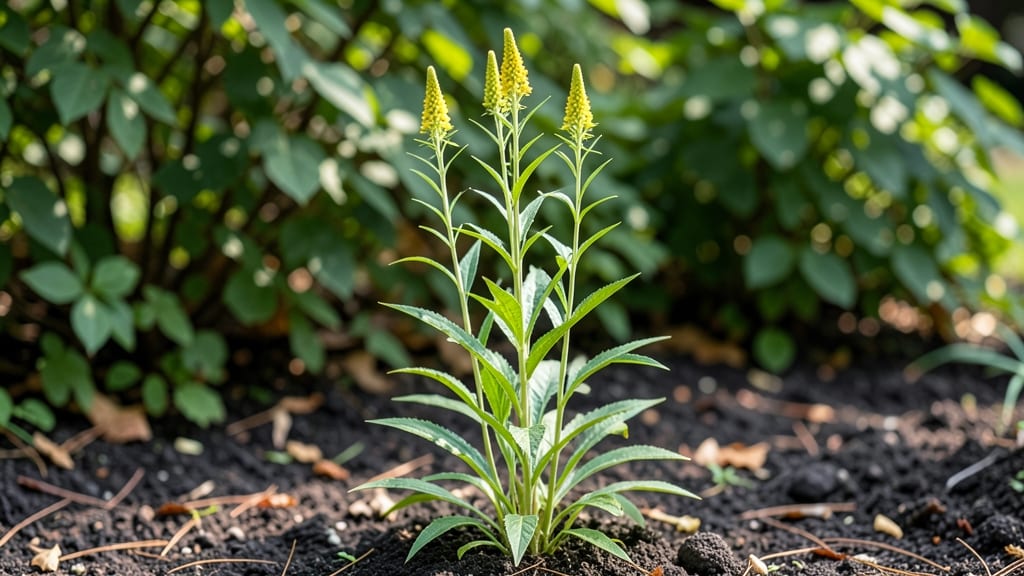
The goldenrod plant before bloom steals the show with its velvety green leaves and sturdy stems—nothing like the bright plumes people think of later. 🌿 I used to overlook these early stages until I realized proper care now means double the blooms later.
The secret? Keeping soil moist but not soggy, and giving them full sun from the start.
Those lance-shaped leaves are the plant’s energy factories, so don’t let them dry out. Goldenrod thrives in average garden soil but hates soggy feet—amend heavy clay with compost. Prune only to shape, never to "control" growth, as this hardy perennial handles itself beautifully once established.
By mid-summer, you’ll notice the stems thickening and leaves turning slightly waxy—that’s your cue to back off on watering. The plant’s storing energy for those iconic golden plumes. A light mulch now keeps roots cool and conserves moisture without smothering growth.
Common mix-ups? Ragweed has fuzzy stems and smaller leaves, while goldenrod stands tall and proud with its arching habit. No support is needed—these plants grow strong on their own. Just give them space, and they’ll reward you with weeks of cheerful color.
📚 In This Guide
- What you need
- Instructions
- Tips and common mistakes
- Wrapping up and next steps
What you need
- ● Goldenrod seeds or seedlings: Choose Solidago species (e.g., Solidago canadensis or Solidago virgaurea). If starting from seed, opt for fresh, high-quality seeds (10–20 seeds for a small patch).
- ● Well-draining potting mix or garden soil: A blend of 60% topsoil, 30% compost, and 10% perlite or sand (for containers). Test soil pH (ideal: 6.0–7.5).
- ● Containers (if not planting in-ground): 5–7" pots with drainage holes (for seedlings) or a raised bed (for mature plants).
- ● Watering can or hose with a gentle spray nozzle: Goldenrod dislikes soggy roots!
- ● Organic fertilizer: A balanced 10-10-10 or 5-5-5 formula (use sparingly—goldenrod is low-maintenance!).
- ● Pruners or clean scissors: For trimming leggy growth or dead foliage.
- ● Seed-starting trays: For germinating seeds indoors (use under grow lights or in a sunny window).
- ● Mulch (straw or pine needles): To retain moisture and suppress weeds.
- ● Plant supports (stakes or cages): If your goldenrod grows tall (some varieties reach 3–5 feet).
- ● Soil moisture meter: To check drainage—goldenrod hates waterlogged roots!
- ● Neem oil or insecticidal soap: For preemptive pest control (aphids or spider mites love goldenrod!).
Goldenrod plant before bloom: essential pre-bloom care steps
Goldenrod thrives when you focus on its early growth—here’s how to set it up for vibrant blooms.
🌱 Step 1: Select the Right Planting Location
Goldenrod loves full sun—at least 6 hours daily. I always plant mine in open, sunny spots where they won’t compete with shade from trees or taller plants. The soil should drain well but retain moisture; goldenrod hates soggy roots. If your garden has heavy clay, mix in a few inches of compost to improve drainage.
Watch for areas where water pools after rain—goldenrod will struggle there. A slight slope helps excess water run off naturally. Once planted, goldenrod spreads easily, so give it 2-3 feet of space to grow without crowding other perennials.
💧 Step 2: Water Deeply and Consistently
After planting, water goldenrod deeply once a week to encourage strong root growth. Stick your finger 2 inches into the soil—if it feels dry, water again. Overwatering is the biggest mistake here; goldenrod is drought-tolerant once established, so let the top inch of soil dry out between waterings.
Mulch around the base with 2-3 inches of organic mulch (like shredded bark) to lock in moisture and keep roots cool. This also prevents weeds from competing for nutrients. You’ll know you’re doing it right when the mulch looks slightly damp but not wet after rain.
☀️ Step 3: Fertilize Lightly for Strong Growth
Goldenrod doesn’t need much fertilizer—too much can weaken its natural hardiness. In early spring, sprinkle a low-nitrogen, balanced fertilizer (like 10-10-10) around the base, then water it in. A handful per plant is plenty; overdoing it leads to leggy, weak stems.
Look for new growth in 3-4 weeks—that’s your signal the plant is thriving. If leaves appear pale or yellow, cut back on fertilizer; goldenrod prefers lean soil. Avoid synthetic fertilizers after mid-summer, as they can reduce blooming potential.
✂️ Step 4: Prune Strategically for Bushier Foliage
In late winter or early spring, trim back any dead or damaged stems to 2-3 inches above the ground. This encourages fresh, vigorous growth. I always use clean, sharp shears to avoid tearing the stems—rough cuts invite disease.
Skip pruning in fall, as goldenrod stores energy in its stems for next year’s blooms. If you notice leggy growth by mid-summer, snip the longest stems back by one-third to promote bushier foliage. You’ll see denser, healthier plants ready for those iconic golden blooms.
Tips & tricks for goldenrod plant before bloom
Here's what nobody tells you about setting goldenrod up for success before those showstopping blooms appear.
Sunlight Secret: Goldenrod needs that full sun—at least 6 hours daily—but not all sunlight is equal. Morning sun is gentler, while afternoon sun can be intense. If your garden gets harsh afternoon rays, consider placing goldenrod where it gets morning sun and afternoon shade from taller plants. This prevents leaf scorch while still meeting the sunlight requirement. I've seen goldenrod struggle in full afternoon sun, even when it got 6 hours total—it's about timing, not just duration.
Watering Wisdom: That once-a-week watering rule works best in normal climates, but your local weather matters more. After planting, check soil moisture daily for the first week. If temperatures climb above 85°F, you might need to water twice weekly until roots establish. The key is keeping the top 2 inches of soil consistently moist—not soggy. I learned this the hard way when my first goldenrod plants wilted during a heatwave despite following the once-a-week rule.
Fertilizer Finesse: When you sprinkle that handful of 10-10-10 fertilizer, think "lightly" literally. A teaspoon per plant is plenty—more than that can actually reduce blooms. I've seen gardeners use a full tablespoon and end up with lush foliage but no flowers. Also, apply fertilizer only in early spring. Mid-summer applications can send the plant into new growth just as it's preparing for blooms, leaving you with fewer flowers.
Pruning Precision: That 2-3 inch pruning height in late winter is critical, but timing matters too. Wait until you see new growth starting in early spring before cutting. Pruning too early can remove next year's flower buds. And when you notice leggy growth by mid-summer, don't cut more than one-third—this prevents stress. I always make my summer pruning cuts just above a leaf node to encourage branching. This creates that bushy, full look that supports more blooms.
Pro Tips for Goldenrod Plant Before Bloom
- Here's what nobody tells you about setting goldenrod up for success before those showstopping blooms appear.
- Sunlight Secret: Goldenrod needs that full sun—at least 6 hours daily—but not all sunlight is equal.
- Watering Wisdom: That once-a-week watering rule works best in normal climates, but your local weather matters more.
Frequently asked questions
Got questions about nurturing your goldenrod plant before it blooms? You’re not alone! Here are some of the most common queries—plus straightforward answers to help you grow a thriving pre-bloom plant.
When should I expect goldenrod to start blooming?
Goldenrod typically blooms late summer to early fall (August–September), but timing depends on your climate and care. If your plant is healthy and well-maintained, you’ll see those iconic yellow plumes emerging within 8–12 weeks after planting. Patience pays off!
Why isn’t my goldenrod growing before bloom?
Slow growth before bloom could stem from poor soil drainage, overwatering, or lack of sunlight. Check for yellowing leaves (a red flag!) and adjust care: ensure well-draining soil, water only when the top inch is dry, and place in full sun (6+ hours/day). If pests like aphids are present, treat with neem oil.
Can I prune goldenrod before it blooms?
Yes! Light pruning in early spring (before new growth) encourages bushier, stronger stems. Trim back 1/3 of the plant to remove dead or weak stems, but avoid heavy cuts—goldenrod stores energy in its roots. Pro tip: Wear gloves; the sap can irritate skin!
Are there alternatives to goldenrod for early-season color?
If you’re craving pre-bloom color, try these goldenrod look-alikes that thrive earlier:
- Black-eyed Susan (golden-yellow blooms in late spring)
- Coneflower (Echinacea) (purple/pink blooms in early summer)
- Yarrow (ferny foliage + flat clusters, blooms June–July)
How often should I water goldenrod before bloom?
Water deeply but infrequently: aim for 1 inch per week (adjust for rain). Goldenrod is drought-tolerant once established, but young plants need consistent moisture. Avoid soggy soil—root rot is a silent killer! Mulch around the base to retain moisture and suppress weeds.
What’s the best fertilizer for pre-bloom goldenrod?
Use a balanced, slow-release fertilizer (like 10-10-10) in early spring to boost growth. Skip high-nitrogen fertilizers—they promote leafy growth at the expense of blooms. Organic options: Compost or a fish emulsion work wonders without harsh chemicals.
Wrapping up and next steps
Watching your goldenrod plant thrive before it blooms is all about patience, the right care, and a little love! 🌱 From choosing the perfect spot to mastering watering and soil tricks, these pre-bloom secrets will set the stage for a stunning display.
Remember, every gardener’s journey starts with small, intentional steps—yours could lead to a garden full of golden glory.
Ready to take the next step? Grab your gardening gloves and start experimenting! Try planting a few goldenrods this season, and share your progress with fellow plant lovers. Who knows? You might just inspire someone else to fall in love with these bright, cheerful bloomers too.