
Blooming
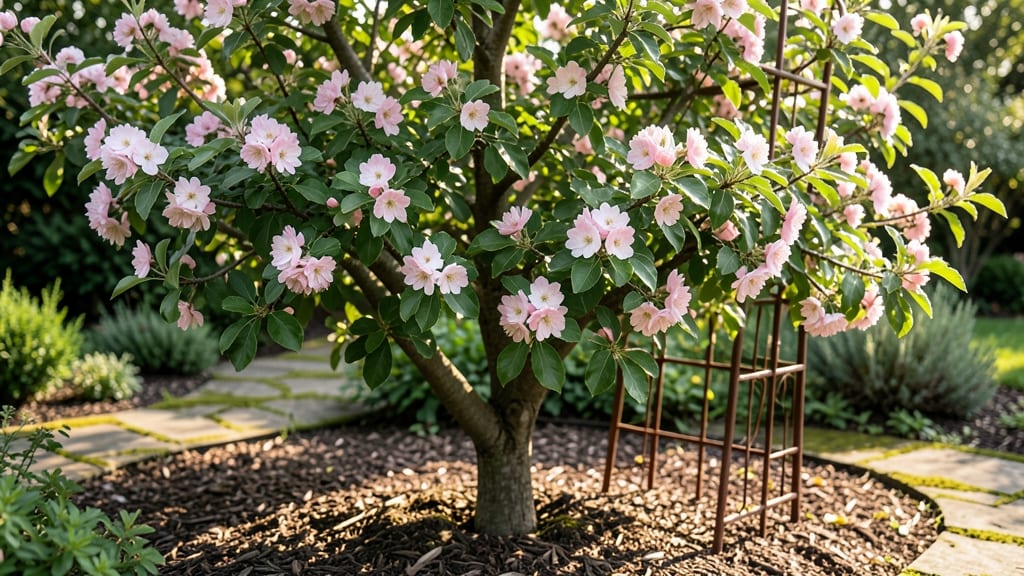
Fuji apple trees bloom in late spring, when the air smells like rain and the branches burst with pink perfection—but only if you’ve prepared them right. ✨ I’ve watched my tree go from bare branches to a cloud of blossoms, and the secret isn’t luck—it’s timing.
Prune in late winter to shape the tree and open the canopy for sunlight, then feed it with balanced fertilizer just as buds swell. Skip this, and you’ll end up with sparse blooms or fruit that never sets.
The real magic happens in late April to early May, depending on your zone—Fuji trees need chilly nights to trigger blooming but can’t handle frost after buds open. Check your local forecast and have frost cloth ready; a late freeze can wipe out weeks of anticipation.
My tree in Zone 6 blooms in mid-May, but in warmer climates, it might be earlier. The goal? Protect those delicate pink clusters long enough for pollinators to do their job.
Once the flowers fade, don’t relax—this is when fruit set begins. Thin clusters to 6 inches apart so each apple gets enough energy to grow. You’ll know you’ve nailed it when the tiny green apples stay firm and the branches don’t sag under their weight.
By summer, those pink blooms will turn into the sweet, crisp fruit Fuji trees are famous for—and the cycle starts all over again next spring.
Here’s the thing about Fuji blooms: they’re predictable but finicky. Too much nitrogen? Fewer flowers. Too little water? Buds drop. But get the pre-bloom care right, and you’ll have years of pink perfection—and the best apples on the block. Worth every minute of prep, honestly.
📚 In This Guide
- What you need
- Instructions
- Tips and common mistakes
- Wrapping up and next steps
What you need
- ● Fuji apple tree: Choose a Malus domestica ‘Fuji’ variety (bare-root or potted). Opt for a 1- to 3-year-old tree for best results.
- ● Planting site: Full sun (minimum 6-8 hours/day)
- ● Well-draining soil (pH 6.0–7.0; test with a soil kit 📊)
- ● Space: 15–20 feet between trees (or 8–10 feet from walls/fences)
- ● Fertilizer: Balanced 10-10-10 or organic compost (e.g., cow manure or worm castings).
- ● Mulch: 2–4 inches of organic mulch (wood chips, straw, or pine needles).
- ● Shovel or spade (for digging)
- ● Garden fork or tiller (to loosen soil)
- ● Pruning shears (sterilized with rubbing alcohol)
- ● Watering can or hose (with adjustable nozzle)
- ○ Soil pH test kit (optional but recommended)
- ● Tree stakes & ties (if planting in windy areas)
- ● Timing: Plant in early spring (before buds swell) or fall (6 weeks before frost).
- ● Cross-pollination: Plant a second Fuji tree (or a compatible variety like Gala or Honeycrisp) within 50 feet for fruit production.
- ● Patience: Blooms appear in 3–5 years; fruit takes 4–5 years!
- ● 🌡️ Hardiness: Fuji trees thrive in USDA Zones 5–8 (check your zone here).
- ● ✨ Bonus: Add 1 cup Epsom salt to planting hole for magnesium (boosts bloom health!).
- ● 🎯 Container option: Dwarf Fuji trees (e.g., ‘Columnar Fuji’) work in 15-gallon pots with drainage holes.
How to ensure a Fuji apple tree's stunning year-after-year bloom
Here’s how to coax that signature pink perfection from your Fuji apple tree every spring.
🌱 Step 1: Prune for Light and Airflow in Late Winter
Start your Fuji apple tree’s bloom prep by pruning 2-3 weeks before buds swell—typically in late February or early March, depending on your climate zone. Use clean, sharp pruners to remove dead, crossing, or inward-growing branches. I aim to open the center of the tree so light reaches all branches—this is key for even flowering.
Cut back branches that grow toward the tree’s center to 1/3 of their length, leaving a slight outward angle. Thin out branches that rub against each other, as these create wounds that invite disease. You’ll see healthier buds along the remaining branches, signaling better bloom potential. Avoid heavy pruning if your tree is young—Fuji trees bloom best when they’ve established a strong structure.
☀️ Step 2: Provide Full Sun and Proper Nutrition
Fuji apple trees thrive in full sun (6-8 hours daily)—no compromise here. If your tree is in partial shade, move it or prune nearby trees to open the canopy. I’ve seen trees in 5 hours of sun produce fewer blooms, and the fruit that does develop often stays small. Check your tree’s location now: if branches stretch toward light, it’s not getting enough.
Feed your tree in early spring with a balanced 10-10-10 fertilizer (use 1/2 cup per inch of trunk diameter). Spread it evenly under the drip line, then water deeply to help roots absorb nutrients. This timing—just as buds begin to swell—gives your tree the energy it needs for vibrant pink blooms. Avoid high-nitrogen fertilizers later in the season; they encourage leafy growth at the expense of flowers.
💧 Step 3: Water Deeply During Bud Development
Once buds form (usually late March to early April), water your tree deeply once a week—1-2 inches of water per week—to encourage root growth. I check moisture by pushing a screwdriver into the soil: if it goes in 3-4 inches easily, you’re good. If it’s dry at that depth, water again. Shallow watering stresses roots and reduces bloom quality.
Mulch around the base with 2-3 inches of organic mulch (like wood chips) to retain moisture and regulate soil temperature. Keep mulch 6 inches away from the trunk to prevent rot. During dry spells, I give my tree a slow, deep soak in the evening to reduce evaporation. Watch for wilting leaves—a sign your tree needs water immediately.
✂️ Step 4: Thin Blooms for Larger Fruit (Optional but Recommended)
After blooms appear (usually late April to early May), thin clusters so 6-8 inches remain between fruit. This might sound counterintuitive—why remove flowers?—but it forces the tree to invest energy in fewer apples, resulting in larger, sweeter Fuji apples. Use sterilized pruners to snip off excess blooms at the base, being careful not to damage nearby buds.
I focus on removing small, weak, or misshapen blooms first. Leave the largest, healthiest flowers on outward-facing branches for best sunlight exposure. If you skip this step, your tree will produce more but smaller apples, and the branches may break under the weight. Thin in two stages: first when petals fall, then again when fruits are golf-ball sized.
🌿 Step 5: Protect Blooms from Late Frost
Fuji apple tree blooms are highly sensitive to frost. If your region experiences late frosts (after buds swell but before blooming), cover the tree with frost cloth or a lightweight blanket on nights when temperatures drop below 28°F. Secure the cover loosely—tight fabric can trap heat and damage buds.
I’ve seen entire blooms wiped out by a single frost, so I monitor the National Weather Service and set up frost alarms (a simple DIY solution: place a can filled with water near the tree—when it freezes, it alerts you). If frost hits after petals fall, the remaining buds may still develop, but the tree’s energy will be diverted to regrowth, reducing next year’s bloom potential.
Tips & tricks for perfect Fuji apple tree blooms
Here's what I've learned after watching my own Fuji trees transform from bare branches to stunning pink blooms year after year.
Pruning Precision: When you're pruning those 2-3 weeks before buds swell, focus on creating an open center that lets sunlight reach all the way to the inner branches. I've found that removing branches growing toward the center and cutting them back to 1/3 of their length creates that perfect balance between structure and airflow. The goal is to see healthy buds along the remaining branches - these are your future blooms! Remember, young trees need gentle pruning to establish their framework.
Sunlight Strategy: That 6-8 hours of full sun daily is non-negotiable for Fuji trees. If your tree is currently getting only 5 hours, you'll notice fewer blooms and smaller fruit. I've seen dramatic improvements after moving trees just a few feet to a sunnier spot. Check for branches stretching toward light - this is your tree's way of telling you it's not getting enough sun. Even partial shade can reduce bloom quality significantly.
Frost Protection: The 28°F threshold is critical for protecting your blooms. I've lost entire seasons of blossoms to late frosts, so I now set up frost alarms using simple cans of water near the tree. When the water freezes, it alerts me to cover the tree immediately. Using frost cloth or lightweight blankets works best - just make sure to secure them loosely so they don't trap too much heat. The key is to protect the blooms while allowing airflow.
Pro Tips for Fuji Apple Tree Bloom
- Here's what I've learned after watching my own Fuji trees transform from bare branches to stunning pink blooms year a...
- Pruning Precision: When you're pruning those 2-3 weeks before buds swell, focus on creating an open center that lets ...
- Sunlight Strategy: That 6-8 hours of full sun daily is non-negotiable for Fuji trees. If your tree is currently getti...
Frequently asked questions
Got questions about the stunning Fuji apple tree bloom? You’re not alone! Here are answers to some of the most common queries to help you make the most of this seasonal spectacle.
When do Fuji apple trees typically bloom?
Fuji apple trees usually bloom in late April to early May, depending on your climate zone. Warmer regions may see earlier blooms, while cooler areas could delay them until mid-May. Check your local frost dates to plan accordingly!
How long do the Fuji apple tree flowers last?
The vibrant pink blossoms last about 7–10 days, but their full glory peaks in 3–5 days. For the best photos and fragrance, time your visits during this window. After blooming, focus on pollination for fruit production!
What should I do if my Fuji apple tree isn’t blooming?
Several factors could be at play: age (young trees may take 2–3 years), pruning (over-trimming can reduce flowers), or poor health (check for pests/disease). Ensure it gets full sun (6+ hours/day) and balanced fertilizer in early spring.
Can I plant a Fuji apple tree for both flowers and fruit?
Fuji trees are self-pollinating, meaning they can produce fruit without a second tree. However, planting a second variety (like Gala) nearby can boost yield and flower diversity. Just ensure they’re compatible pollinators!
How do I protect Fuji apple blossoms from frost?
Late frosts (<32°F/0°C) can damage delicate blooms. Use frost cloths or row covers during cold snaps. Avoid overhead watering before frost, as ice can weigh down branches. Monitor weather forecasts and act fast!
Wrapping up and next steps
The Fuji apple tree’s pink perfection isn’t just a fleeting sight—it’s a promise of year-after-year beauty and bounty. Whether you’re captivated by its delicate blooms or dreaming of juicy harvests, this tree delivers both aesthetic joy and fruitful rewards with minimal fuss.
Ready to bring this pink paradise to your garden? Start by choosing your perfect Fuji variety and gathering your supplies—your future orchard awaits! 🌸🍏