
Blooming
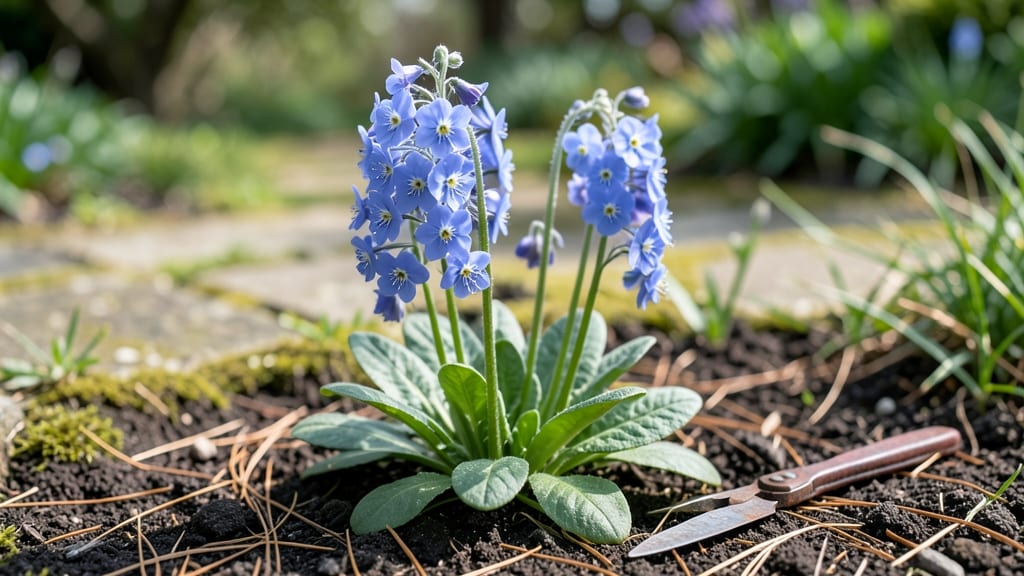
The delicate forget-me-not bloom that looks like scattered sky on earth? Forget-me-nots burst into color the moment spring arrives—often by late March in my zone 6 garden, and they keep reblooming all season long with the right care. 💙 I’ve watched them transform my shady borders from dull to dreamy, and they’re one of the first flowers to tell me winter’s finally over.
The secret to their long-lasting charm lies in cool weather and consistent moisture. They thrive in partial shade where many flowers struggle, and their delicate stems reward you with weeks of blooms if you deadhead spent flowers and keep the soil evenly damp.
My trick? Plant them near a drip line or under a tree—they’ll reward you with reblooming all the way into early summer.
What you’ll love most is how effortlessly they multiply. Each stem roots where it touches the soil, creating a lush, natural carpet of color that spreads gently each year. The scent isn’t strong, but the sight—those clusters of sky-blue petals against green leaves—is pure spring magic.
Works beautifully in borders, containers, or even as a ground cover under trees. Just avoid full sun and heavy, dry soil, and you’ll have blooms that seem to last forever. Here’s how to keep them thriving all season long.
📚 In This Guide
- What you need
- Instructions
- Tips and common mistakes
- Wrapping up and next steps
What you need
- ● Seeds or seedlings: 1 packet (50-100 seeds) of Myosotis sylvatica (forget-me-not) seeds, or
- ● 3-5 healthy seedlings (if transplanting).
- ● Growing containers: 6-inch pots (for seedlings) or
- ● A garden bed with well-draining soil (if planting outdoors).
- ● Potting mix: 1 bag of high-quality, well-draining seed-starting mix (or garden soil amended with compost).
- ● Fertilizer: Balanced, water-soluble fertilizer (e.g., 10-10-10) or a slow-release granular fertilizer.
- ● Watering can or spray bottle: For gentle hydration.
- ● Grow lights or sunny windowsill: (If starting indoors).
- ● Mulch (to retain moisture and suppress weeds).
- ● Plant labels (to track varieties).
- ● Epsom salt (for magnesium boost, if leaves look pale).
- ● Peat moss or perlite (to improve drainage).
- ● Companion plants (like pansies or violas) for a stunning cool-season display!
How to grow forget-me-nots for continuous cool-season blooms
These delicate blue blooms thrive in cool weather and reward patience with natural reblooming—here's how to coax the most from them.
🌱 Step 1: Choose the Right Planting Time and Location
Forget-me-nots love cool weather, so plant them 4-6 weeks before your first frost in fall or 6-8 weeks before your last frost in spring. I always aim for spring planting by mid-March in my zone 5 garden—this gives roots time to establish before summer heat arrives. Select a spot with partial shade (morning sun, afternoon shade) to prevent leaf scorch while keeping blooms vibrant.
You'll know you've picked the perfect spot when the area stays consistently moist but well-drained. Forget-me-nots hate soggy roots, so avoid low-lying areas where water pools after rain. Amend heavy clay soil with 2-3 inches of compost to improve drainage and fertility—this makes all the difference for their delicate root systems.
💧 Step 2: Prepare Soil and Plant Seeds or Transplants
Work 2-3 inches of compost into the top 6 inches of soil to create loose, fertile ground. Forget-me-nots prefer soil that's rich but not overly fertile—too much nitrogen produces leafy growth at the expense of flowers. Loosen the soil to a depth of 8-10 inches with a garden fork to help roots spread easily.
For seeds, scatter them 1/4 inch deep and 12 inches apart—they're tiny, so I use a small sieve to distribute them evenly. Lightly cover with soil and mist the area until damp. If using transplants, space them 8-10 inches apart in rows 12 inches apart. Water gently after planting to settle the soil around roots without disturbing them.
☀️ Step 3: Maintain Consistent Moisture and Light
Keep the soil evenly moist but never soggy—these plants wilt quickly when dry. Water 1-2 times weekly until top 1 inch of soil feels dry, adjusting for rain. Mulch with 1-2 inches of straw or shredded leaves to retain moisture and suppress weeds. You'll see the difference immediately in how lush the foliage stays compared to unmulched areas.
Forget-me-nots need 4-6 hours of morning sun daily for best blooming. Too much afternoon sun causes leaves to yellow and flowers to fade. If your garden gets intense afternoon heat, provide afternoon shade with a lightweight shade cloth or plant near taller shrubs that cast dappled shade.
✂️ Step 4: Deadhead and Fertilize for Reblooming
Pinch off spent blooms regularly to encourage continuous flowering—this is what makes forget-me-nots so charming. I deadhead every 2-3 weeks during the blooming season, which runs from late spring through fall in most climates. Use clean scissors to snip just above the first set of leaves below the bloom to redirect the plant's energy into new growth.
Feed lightly with a balanced 10-10-10 fertilizer every 4-6 weeks during the growing season. Too much fertilizer produces lush foliage but fewer blooms. I always halve the recommended dose—these plants are delicate and don't need heavy feeding. You'll notice a surge in new blooms within 2-3 weeks after fertilizing.
⏰ Step 5: Prepare for Winter and Next Year's Blooms
Forget-me-nots are hardy perennials in zones 3-9, but they benefit from winter protection in colder regions. After the first frost, cut back foliage to 2 inches tall and mulch with 3-4 inches of straw. This insulation keeps roots from heaving in freeze-thaw cycles. In spring, remove the mulch when new growth appears—usually by mid-April in my area.
These plants naturally self-seed, so you'll often find new volunteers popping up in spring. Thin seedlings to 8-10 inches apart to give them room to grow. The secret to continuous blooms is consistent care—water, deadhead, and protect from extreme heat or cold, and you'll enjoy their cheerful faces year after year.
Tips & tricks for perfect forget-me-not blooms
Here’s what nobody tells you about growing these charming cool-season blooms—secrets that’ll turn your garden into a blue paradise.
Timing is Everything: Those 4-6 hours of morning sun in Step 3 are non-negotiable for vibrant blooms. I’ve seen forget-me-nots fade quickly when exposed to hot afternoon rays—plant them where they get sunlight before 10 AM but shade after noon. If your garden has intense afternoon heat, a lightweight shade cloth makes all the difference.
Soil Secrets: Forget-me-nots hate soggy roots, so if your area gets heavy rain, create raised beds or plant on a slight slope to improve drainage. The 2-3 inches of compost in Step 2 isn’t just about fertility—it’s about creating that perfect loose, well-draining soil these delicate plants crave. I’ve had forget-me-nots thrive in containers with a mix of potting soil and perlite when planted in heavy clay.
Deadheading Discipline: Those 2-3 weeks between deadheadings in Step 4 might seem like a long time, but consistency is key. I use clean pruning shears and snip just above the first set of leaves to encourage new blooms. Pro tip: Set a reminder on your phone—skipping even one deadheading can lead to a noticeable drop in new flowers.
Winter Prep: The 3-4 inches of straw mulch in Step 5 isn’t just for show—it’s insulation that protects roots from heaving during freeze-thaw cycles. In my zone 5 garden, I also add a layer of burlap over the mulch for extra protection during harsh winters. This simple step ensures your forget-me-nots come back stronger every spring.
Pro Tips for Forget Me Not Bloom
- Here’s what nobody tells you about growing these charming cool-season blooms—secrets that’ll turn your garden into a blue paradise.
- Timing is Everything: Those 4-6 hours of morning sun in Step 3 are non-negotiable for vibrant blooms.
- Soil Secrets: Forget-me-nots hate soggy roots, so if your area gets heavy rain, create raised beds or plant on a slight slope to improve drainage.
Frequently asked questions
Got questions about nurturing your Forget-Me-Not blooms? Here are answers to the most common ones—so you can enjoy their cool-season charm with confidence!
When do Forget-Me-Nots typically bloom?
Forget-Me-Nots usually bloom in early spring, often from March to May, depending on your climate. Some varieties may also rebloom lightly in fall if given consistent moisture and partial shade. Their delicate flowers thrive in cooler weather, making them a perfect springtime favorite!
How long does it take for Forget-Me-Nots to bloom after planting?
From seed, Forget-Me-Nots can take 8–12 weeks to bloom, while established plants may flower within 4–6 weeks under ideal conditions. Patience is key—these perennials reward you with vibrant blooms once they’re settled in well-drained, moist soil.
Can Forget-Me-Nots grow in full sun?
While they prefer partial shade (especially in hotter climates), Forget-Me-Nots can tolerate morning sun if kept well-watered. Avoid harsh afternoon sun, which can scorch their delicate foliage. A spot with 4–6 hours of light is ideal for consistent blooming.
Why aren’t my Forget-Me-Nots reblooming?
Reblooming can be finicky! Common culprits include:
- Overcrowding—thin plants to improve airflow.
- Dry soil—keep roots consistently moist.
- Too much fertilizer—use a light dose of balanced fertilizer in early spring.
- Heat stress—they may rest in summer heat.
Are there alternatives to Forget-Me-Nots for spring color?
If you love their look but want options, try:
- Sweet Alyssum—tiny white/purple blooms, drought-tolerant.
- Violas/Pansies—hardy, colorful, and long-lasting.
- Lungwort—unique foliage with blue/purple flowers.
- Primroses—bold blooms in cool seasons.
Wrapping up and next steps
The forget-me-not bloom isn’t just a delicate beauty—it’s a resilient symbol of renewal, thriving in cool seasons with minimal fuss. Whether you’re drawn to its vibrant blue hues or its effortless reblooming nature, this little flower proves that simple care yields big rewards. 💙
Ready to embrace its charm in your garden? Start by selecting a spot with partial shade, well-draining soil, and a gentle touch of patience. Watch as these tiny blooms reward your effort with a cascade of color—year after year!
Next step: Grab your seeds or cuttings and let the magic unfold! 🌱