
Blooming
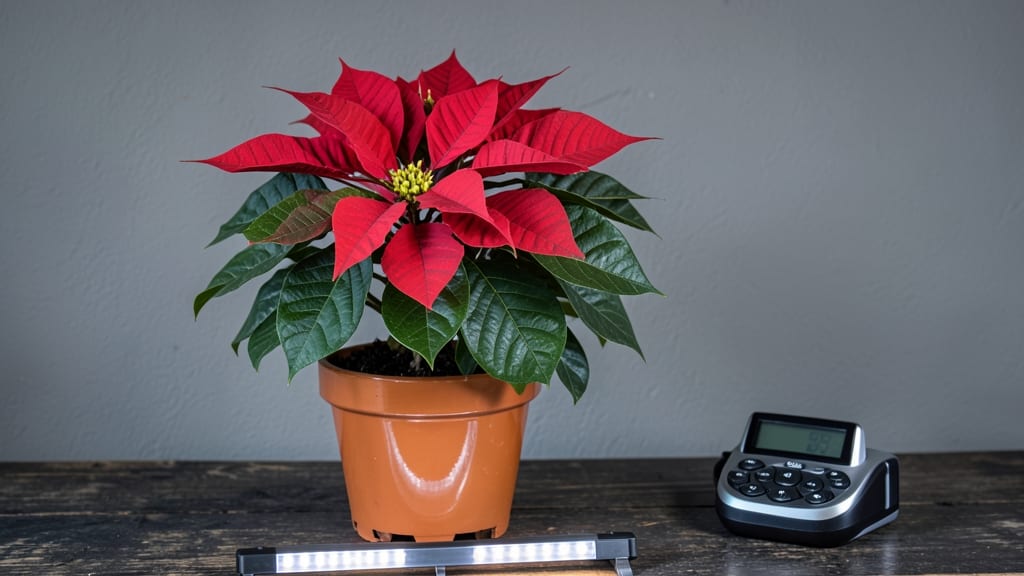
Forcing poinsettias to bloom means holiday magic in just 8 weeks—if you master the light trick. 🌟 The secret isn’t just water or fertilizer, but strict darkness for 14 hours every night, starting now.
I’ve turned store-bought poinsettias into vibrant red stars by following this exact schedule, and you can too. You’ll need a healthy plant, a dark closet or box, and patience—no fancy equipment. The key is consistency: once you start the light cycle, keep it up until buds form.
Most people quit here, but sticking with it transforms a basic plant into a showstopper for Christmas. By Thanksgiving, you’ll have deep red bracts (those colorful leaves) and glossy green foliage that smells faintly sweet.
The process works for white, pink, or even marbled varieties too—just adjust the darkness timing slightly for each. Troubleshooting is easy: yellow leaves mean overwatering, while bud drop signals stress. Keep temps between 65-75°F and avoid drafts. Here’s how to nail it every time.
📚 In This Guide
- What you need
- Instructions
- Tips and common mistakes
- Wrapping up and next steps
What you need
- ● Poinsettia plant: A healthy, non-blooming (or fading) plant with at least 6–8 inches of stem growth. Pro tip: Check for green leaves—these indicate it’s ready for blooming tricks! 💡
- ● Grow lights: Full-spectrum LED grow lights (15W–25W per plant, or a 6000–10,000 lux output).
- ● Adjustable light fixture (for precision placement).
- ● Timer: A programmable smart plug or mechanical timer (set to 14 hours of darkness daily).
- ● Well-draining potting mix: Use a peat-based or cactus/succulent mix (avoid heavy garden soil).
- ○ 6–8 inch pot: Ensure it has drainage holes to prevent root rot. Optional: Upgrade to a decorative holiday pot for style! ✨
- ● Balanced fertilizer: Diluted 10-10-10 or 20-20-20 liquid fertilizer (apply every 2–4 weeks during the blooming cycle).
- ● Pruning shears: For trimming leggy stems (sterilize with rubbing alcohol first!).
- ○ Moisture meter (optional): Ensures soil stays slightly dry (60–70% moisture).
- ○ Thermometer/hygrometer (optional): Ideal temps are 65–75°F (18–24°C) with 40–50% humidity.
- ○ Reflective surface (optional): White poster board or foil to double light efficiency if using weak bulbs.
- ● Patience: The blooming process takes 8–12 weeks of consistent light control.
- ● Dedicated space: A dark closet, cabinet, or room for the 14-hour darkness phase.
- ● Commitment: Stick to the light schedule religiously—even small deviations can delay blooms!
Step-by-step instructions for forcing poinsettias to bloom
Here's how to coax vibrant holiday color from your poinsettias using light control and patience.
☀️ Step 1: Establish a Light Schedule for 12 Hours of Darkness
Poinsettias need 12 hours of complete darkness nightly to trigger blooming. Start this routine 8 weeks before your desired holiday display. Use a dark closet, box, or even a blanket draped over the plant—just ensure no light leaks in. I cover mine with a heavy black plastic bag secured with a rubber band for total darkness.
Begin the dark period 5-6 PM daily and remove the cover by 8 AM. This mimics shortening daylight hours that signal blooming time. If you forget one night, don't stress—just restart the schedule. The plant remembers the cumulative darkness over weeks, not daily perfection.
🌱 Step 2: Maintain Ideal Light and Temperature Conditions
During daylight hours, place your poinsettia in bright, indirect light—a south- or east-facing window works best. Avoid harsh direct sunlight, which can scorch leaves. If natural light is weak, supplement with a grow light positioned 12-18 inches away for 12-14 hours daily. You'll see leaves stay deep green and stems grow sturdy when light is right.
Keep temperatures between 65-75°F during the day and 55-60°F at night. A cool nighttime drop helps signal blooming. If your home runs warmer, open a window slightly or use a small fan to create airflow. Watch for yellowing leaves—this often means too much heat or dry air.
💧 Step 3: Water and Fertilize for Strong Growth
Water when the top inch of soil feels dry, but avoid soggy soil—poinsettias hate wet feet. I use room-temperature water and water at the base of the plant to prevent leaf spots. Let excess water drain completely; saucers should empty within 15 minutes. Overwatering causes drooping leaves or bud drop, so check soil moisture daily.
Fertilize every 2 weeks with a balanced liquid fertilizer (10-10-10) diluted to half strength. Stop fertilizing 4 weeks before your target bloom date—this prevents leggy growth. You'll notice new leaves forming and sturdy stems when care is on point.
⏰ Step 4: Monitor Progress and Adjust Timing
After 4-6 weeks of the light schedule, you'll see buds forming at the leaf axils (where leaves meet stems). These look like tiny green bracts—your first sign of success! If buds don't appear, check for light leaks during the dark period or inconsistent watering. Adjust the schedule if your holiday date shifts; poinsettias need 8 weeks total to bloom reliably.
Once buds form, reduce fertilizing to once a month and keep watering steady. The bracts (the colorful parts we call "flowers") will develop 2-3 weeks before the actual tiny flowers appear. This is the moment you've been waiting for—vibrant red, pink, or white holiday color!
Tips & tricks for perfect holiday poinsettias
Between us, the secret to stunning poinsettias isn't just patience—it's precision. Here's what nobody tells you about making those 12 hours of darkness actually work.
Darkness Test: To ensure your 12-hour dark period is truly dark, do this test: Turn off all lights and shine a flashlight into your chosen dark space. If you can see any light creeping in, seal it better. I use a black plastic bag with no holes—even a tiny gap can ruin the process. Remember, poinsettias need complete darkness, not just dim lighting.
Lighting Strategy: For the 12-14 hours of daylight, position your grow light 12-18 inches away but adjust based on leaf color. If leaves look pale green, move it closer. If they start yellowing, move it back. The goal is bright but indirect light—like standing under a sheer curtain on a sunny day. South-facing windows are ideal, but east-facing works too if you supplement with grow lights.
Temperature Trick: That 10°F drop between day (65-75°F) and night (55-60°F) is crucial. If your home stays warm all night, try placing the plant near a window with cooler night air or use a small fan on low to create airflow. The temperature difference mimics natural seasonal changes that trigger blooming. I've seen poinsettias bloom faster when they experience this nighttime chill.
Watering Wisdom: The top inch dry test is key, but here's what I learned the hard way: Use room-temperature water and water at the base to prevent leaf spots. After watering, let the saucer drain completely within 15 minutes—any longer and you're risking root rot. I keep a small timer to remind myself to check drainage, especially in humid weather.
Pro Tips for Force Poinsettia To Bloom
- Between us, the secret to stunning poinsettias isn't just patience—it's precision. Here's what nobody tells you about...
- Darkness Test: To ensure your 12-hour dark period is truly dark, do this test: Turn off all lights and shine a flashl...
- Lighting Strategy: For the 12-14 hours of daylight, position your grow light 12-18 inches away but adjust based on le...
Frequently asked questions
about forcing poinsettias to bloom—your quick guide to holiday cheer!How long does it take to force a poinsettia to bloom?
With the right light schedule, poinsettias typically bloom in 8–12 weeks. Start your 14-hour light/10-hour dark cycle in early fall (around September) for Christmas-ready blooms. Consistency is key—stick to the schedule, and you’ll see colorful results!
What if I miss the dark period?
No stress! If you accidentally leave lights on past 10 hours, don’t panic. Just reset the cycle for 2–3 consecutive days to restart the process. Poinsettias are forgiving, but timing is everything—aim for precision after that!
Can I use natural light instead of artificial?
Yes! Place your poinsettia in a bright, sunny window (south or west-facing) during the day, then cover it with a box or move it to a closet for the 10-hour dark period. Just ensure no light leaks—even a streetlamp can disrupt blooming!
Why isn’t my poinsettia blooming?
Common culprits: inconsistent light/dark cycles, too much water (root rot), or not enough light (pale leaves). Check your schedule, ensure proper drainage, and adjust light exposure. If leaves yellow, trim them and restart the cycle!
Can I force a poinsettia to rebloom next year?
After blooming, prune stems to encourage new growth, then resume the light/dark cycle in fall. Keep it healthy with bright light and moderate watering. With patience, your poinsettia can bloom year after year!
What’s the best time of year to start?
For Christmas blooms, begin the light schedule in early September. If you’re aiming for Easter or another holiday, adjust the start date accordingly. Poinsettias need 8–12 weeks of darkness to set buds—plan ahead!
Wrapping up and next steps
Forcing your poinsettia to bloom is all about patience, consistency, and light control—and the reward is a vibrant, holiday-ready plant that’ll steal the show! 🎄 With just 8 weeks of strategic care, you can turn a dormant poinsettia into a dazzling centerpiece.
Now that you’re armed with the right techniques, go ahead and give it a try—your future festive displays will thank you!
Next step? Mark your calendar, gather your supplies, and start your 8-week countdown today. Happy blooming! 🌟