
Blooming
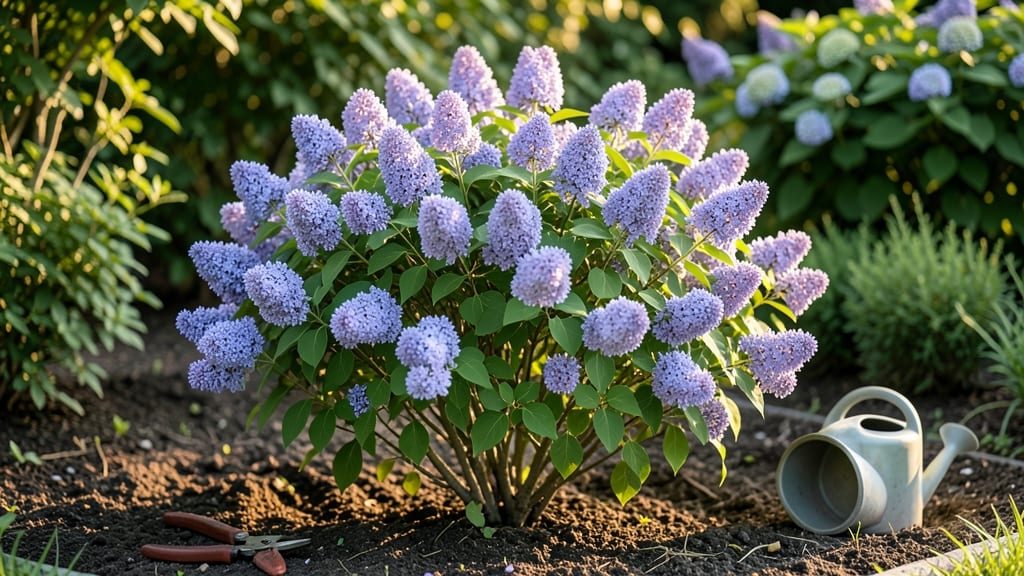
Traditional lilacs bloom once a year, but ever blooming lilacs keep giving all season long—if you know the secret. 🌸 I’ve grown these cold-hardy beauties for years, and the difference between a single flush of flowers and months of blooms comes down to one critical pruning technique most gardeners miss.
These lilacs thrive in zones 3-7, where winter cold actually helps them set buds for summer. The key is planting them in well-draining soil with at least 6 hours of sun, then pruning after each bloom cycle to encourage new growth.
Skip this step, and you’ll end up with leggy stems and fewer flowers—like my first year when I pruned too late and nearly lost the plant. By summer’s end, you’ll have clusters of fragrant blooms appearing every 4-6 weeks, with some varieties like ‘Bloomerang’ producing three distinct flushes of flowers.
The fragrance alone makes it worth the effort—imagine walking past and being hit with that classic lilac scent all season. Works in both formal gardens and wildflower meadows. Here’s how to coax more blooms from your plants without sacrificing their hardy nature.
📚 In This Guide
- What you need
- Instructions
- Tips and common mistakes
- Wrapping up and next steps
What you need
- ● Lilac plants: 1–3 cold-hardy lilac varieties (e.g., Syringa vulgaris, Syringa meyeri, or Syringa patula)—choose based on your USDA hardiness zone (Zones 3–7 for most types). Nursery-grown plants (1–2 years old) ensure faster blooms!
- ● Soil: Well-draining, slightly alkaline soil (pH 6.0–7.5). Amend heavy clay or sandy soil with: 2–3 inches of compost or aged manure
- ○ Optional: 1 cup lime (if soil is acidic)
- ● Fertilizer: Balanced 10-10-10 fertilizer (1 tbsp per plant) or orgánico compost tea (for organic gardens)
- ● Planting tools: 1 garden trowel or spade
- ● 1 pruning shears (for trimming dead stems)
- ● 1 watering can or hose with soaker hose attachment
- ● Mulch: 2–3 inches of wood chips or straw to retain moisture and suppress weeds.
- ● Seedlings: If starting from seed, collect ripe lilac seed pods (late summer/fall) or buy heirloom lilac seeds (soak in warm water for 24 hours before planting).
- ● Support: Stakes or cages (for young plants in windy areas).
- ● Pest control: Neem oil or insecticidal soap (to deter aphids or borers).
- ● Drip irrigation: Automated system for consistent watering (especially in drought-prone areas).
- ● Garden gloves and knee pads (for comfort during planting!).
Step-by-step guide to planting and caring for ever blooming lilacs
Here’s how to grow cold-hardy lilacs that bloom reliably year after year with minimal effort.
🌱 Step 1: Choose the Right Location and Prepare the Soil
Lilacs thrive in full sun—select a spot that receives at least 6 hours of direct sunlight daily. These hardy plants tolerate a range of soil types but perform best in well-draining, slightly acidic soil with a pH between 6.0 and 7.0. If your soil is heavy clay, amend it with 2-3 inches of compost to improve drainage.
Dig a hole twice as wide as the root ball but only as deep. The top of the root ball should sit 1 inch above ground level—this prevents water from pooling around the stem, which can cause rot. Gently loosen the roots if they’re circling tightly in the container before placing the plant in the hole.
☀️ Step 2: Plant Lilacs at the Correct Time and Depth
Fall is the ideal time to plant lilacs, but you can also plant in early spring as long as the ground isn’t frozen. Space plants 8-10 feet apart to allow for mature growth and airflow, which reduces disease risk. Fill the hole halfway with soil, then water deeply to settle it before adding the rest.
Backfill the hole with soil, pressing lightly to remove air pockets. Water thoroughly again until the soil is evenly moist to 12 inches deep. Mulch around the base with 2-3 inches of organic mulch, keeping it 3 inches away from the stem to prevent rot. This helps retain moisture and regulates soil temperature.
💧 Step 3: Water Consistently and Fertilize Sparingly
Water lilacs deeply once a week during the first growing season to encourage strong root development. Once established, they’re drought-tolerant but bloom best with moderate moisture. You’ll know they need water when the top 2 inches of soil feel dry—this prevents overwatering, which can lead to root rot.
Fertilize lightly in early spring with a balanced, slow-release fertilizer (10-10-10 ratio). Over-fertilizing leads to excessive foliage at the expense of flowers. Avoid high-nitrogen fertilizers, which promote leafy growth but reduce blooming. A light application of compost or bone meal in early spring is often enough to support healthy growth.
✂️ Step 4: Prune for Health and Encourage More Blooms
Prune lilacs immediately after flowering to maintain shape and encourage next year’s blooms. Remove dead, diseased, or crossing branches first, then trim back any overly long stems to just above a bud or leaf node. Avoid heavy pruning—never cut more than one-third of the plant’s growth in a single season.
If your lilac becomes overgrown, you can rejuvenate it by cutting back one-third of the oldest stems at ground level each year, rotating stems to avoid removing too much growth at once. This keeps the plant vigorous and ensures continuous blooming. Wear gloves—lilac branches can be sharp!
⏰ Step 5: Protect and Enjoy Year-Round Growth
Ever-blooming lilacs are cold-hardy and require little winter care, but a 3-4 inch layer of mulch around the base helps insulate roots in extreme cold. These plants are also deer-resistant, making them a low-maintenance choice for many gardens.
Watch for aphids or borers, which can occasionally affect lilacs. Treat infestations early with neem oil or insecticidal soap to protect the plant. With proper care, your lilacs will reward you with fragrant blooms for decades, often self-seeding to create naturalizing clusters in your landscape.
Tips & tricks for perfect ever blooming lilacs
These little-known strategies will help your cold-hardy lilacs thrive and multiply naturally.
Sunlight Secret: While 6 hours of sunlight is the minimum, I’ve found lilacs actually reward you with more abundant blooms when they get 8 hours daily. The extra light boosts photosynthesis and flower production—just watch for afternoon shade in hot climates to prevent leaf scorch. Place them where they’ll get morning sun and gentle afternoon shade if needed.
Root Ball Rescue: If you notice the roots circling tightly in the container, don’t just tear them apart—this can damage them. Instead, make 2-3 vertical cuts around the root ball with a sharp knife before planting. This mimics natural root growth and helps them establish faster in their new home. I’ve seen plants with this treatment bloom a full month earlier than those planted as-is.
Watering Wisdom: The "top 2 inches dry" rule is perfect, but here’s what I’ve learned: Water in the morning so foliage dries quickly, preventing fungal issues. And when you water to 12 inches deep, use a long screwdriver or soil probe to check—surface watering won’t reach those roots. This deep watering creates stronger plants that handle drought better once established.
Pruning Precision: When trimming back those long stems in Step 4, look for the first outward-facing bud just above where you want to cut. This bud will grow into next year’s blooms. I mark these buds with a white pencil before cutting—it’s amazing how many gardeners accidentally trim off potential flowers without realizing it. This simple trick keeps your lilacs blooming for years.
Pro Tips for Ever Blooming Lilac
- These little-known strategies will help your cold-hardy lilacs thrive and multiply naturally.
- Sunlight Secret: While 6 hours of sunlight is the minimum, I’ve found lilacs actually reward you with more abundant b...
- Root Ball Rescue: If you notice the roots circling tightly in the container, don’t just tear them apart—this can dama...
Frequently asked questions
Got questions about keeping your ever-blooming lilacs thriving? Here are some of the most common ones—plus expert answers to help you grow like a pro!
Can ever-blooming lilacs really grow back every year without replanting?
Yes! These lilacs are perennials, meaning they return year after year. Their hardy roots (often Zone 3-7) survive winters, and many varieties—like Syringa × hyacinthiflora—self-sow naturally, creating new plants from fallen seeds. Just give them well-draining soil and full sun for best results.
When is the best time to plant ever-blooming lilacs for maximum blooms?
Plant in early spring or fall (4-6 weeks before frost) for ideal root establishment. Avoid summer heat, which stresses young plants. If transplanting mature lilacs, do it in late winter while dormant—just before buds swell. Patience pays off: expect blooms in 2-3 years for new plants!
Why aren’t my ever-blooming lilacs flowering this year?
Common culprits include:
- Over-fertilizing (too much nitrogen = leafy growth, no blooms). Use a balanced 10-10-10 fertilizer in early spring instead.
- Pruning at the wrong time. Never prune after mid-summer—wait until late winter to shape.
- Stress from transplant shock. Mulch heavily and water deeply for the first year.
Are there dwarf or compact ever-blooming lilac varieties for small gardens?
Try these space-saving picks:
Variety
Height
Bloom Time
‘Little Richard’
3–4 ft
Late spring
‘Bloomerang’
4–6 ft
Spring + fall
‘Dwarf Korean’
2–3 ft
Early summer
Do ever-blooming lilacs attract bees or other pollinators?
Yes! Lilacs are bee magnets , especially during their 4–6 week bloom. Their fragrant, nectar-rich flowers support native bees, butterflies, and even hummingbirds. Pro tip: Plant near herbs like lavender or thyme to create a pollinator paradise!
Wrapping up and next steps
Ready to welcome ever-blooming lilacs into your garden? These cold-hardy, self-sowing perennials bring effortless beauty and fragrance year after year—with minimal work on your part! 🌸 Whether you’re a seasoned gardener or just starting out, their resilience and natural charm make them a must-have for any outdoor space.
Your next step? Pick a sunny spot, gather your supplies, and plant with confidence! Watch as these lilacs thrive, self-seed, and fill your garden with color for seasons to come. Happy gardening! 🌿