
Blooming
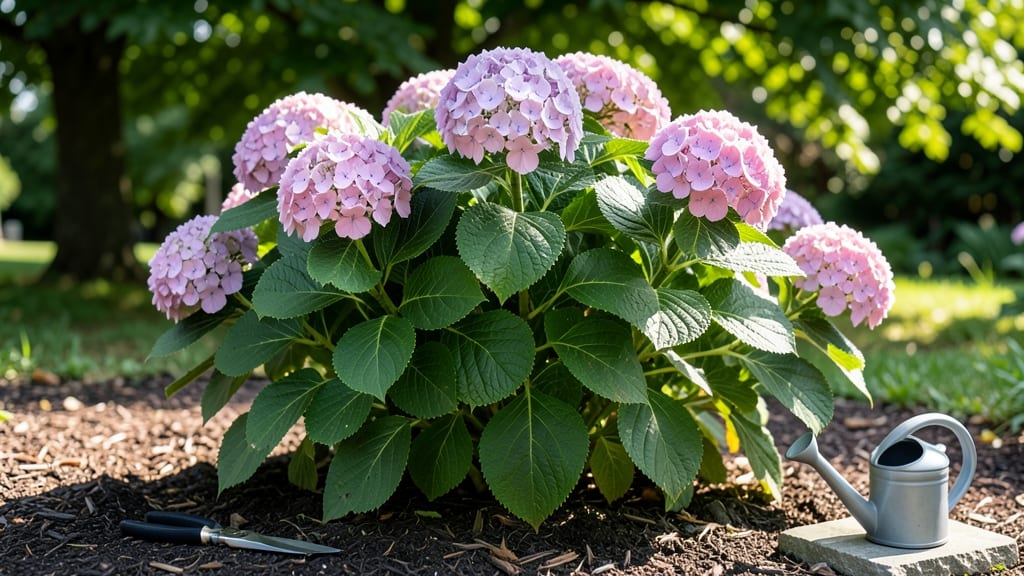
The endless bloom hydrangea transforms your garden into a cloud of color that never quits. 🌸 These cold-hardy beauties keep flowering from early summer through frost, and they spread like wildfire—literally—through their underground runners. I’ve grown them for five seasons, and they’ve never failed to deliver that lush, repeat-blooming show.
They thrive in partial shade with morning sun and afternoon dappled light—perfect for spots where other shrubs struggle. The secret to their nonstop blooms? Consistent moisture and a light hand with pruning. Overwatering causes bud drop, while aggressive trimming kills next year’s flowers.
I’ve learned the hard way that patience pays off with these plants. By late summer, you’ll be snipping stems for bouquets that last weeks, all while the plant keeps producing. The foliage stays vibrant even in heat waves, and they bounce back from deer nibbles and light frost.
These aren’t just pretty—they’re tough. Works in zones 3-9, handles drought better than most hydrangeas, and multiplies naturally. Here’s how to keep them thriving all season long.
📚 In This Guide
- What you need
- Instructions
- Tips and common mistakes
- Wrapping up and next steps
What you need
- ● Endless Bloom Hydrangea plants: Choose between Hydrangea macrophylla 'Endless Summer' or 'Bailmer' (2-3 plants for optimal blooms).
- ● Well-draining potting mix: 50% peat moss or coco coir + 50% perlite or sand (for containers). For in-ground planting, amend soil with 2-3 inches of compost.
- ● Slow-release fertilizer: 10-10-10 or a hydrangea-specific formula (apply at planting and mid-season).
- ● Mulch: 2-3 inches of organic mulch (shredded bark or pine needles) to retain moisture and regulate soil temp.
- ● Watering can or hose with a gentle spray nozzle: Hydrangeas love consistent moisture but hate soggy roots.
- ● Garden trowel or shovel: For planting and soil prep.
- ● Pruning shears: Sharp, clean shears (sterilize with rubbing alcohol) for shaping and deadheading.
- ● Gloves: Heavy-duty gardening gloves to protect hands from thorns and rough stems.
- ● pH test kit: To monitor soil acidity (aim for 5.2–6.2 for blue blooms; higher pH = pink!).
- ○ Aluminum sulfate or lime: Adjust pH as needed (optional but helpful for color control).
- ○ Container (optional): 15–20 gallon pot with drainage holes for patio growing.
- ○ Shade cloth (optional):strong> 30–50% shade cloth if planting in hot climates (hydrangeas prefer partial shade).
Step-by-step instructions for planting and pruning Endless Bloom hydrangeas
Here’s how to get those lush, repeat-blooming clusters—plus the secret to multiplying your plants for free.
🌱 Step 1: Choose the Right Location and Plant in Spring or Fall
Endless Bloom hydrangeas thrive in partial shade—think 4-6 hours of morning sun with afternoon shade, especially in hotter climates. I always plant mine where they’ll get dappled light through trees or on the east side of the house. The soil should drain well but stay consistently moist; amending with 1-2 inches of compost at planting time gives them a nutrient boost for years.
Dig a hole twice as wide as the root ball but only as deep—planting too deep suffocates the roots. Gently loosen the roots if they’re circling and position the plant so the top of the root ball sits 1 inch below soil level. Backfill with native soil, tamp lightly, and water deeply to settle everything. You’ll know it’s right when the soil surface looks slightly concave around the base.
☀️ Step 2: Water Consistently for Big, Colorful Blooms
These hydrangeas love moisture but hate soggy roots. Water 1-2 inches per week, more in extreme heat, and always at the base—not overhead. I use a soaker hose for 30 minutes every 3-4 days during summer to keep roots happy without wetting the foliage (which can cause mildew). Mulch with 2-3 inches of organic mulch (like shredded bark) to retain moisture and regulate soil temperature.
Watch for wilting leaves or crispy edges—they’re thirsty. On the flip side, yellowing leaves or leaf drop usually means overwatering. The soil should feel damp 1-2 inches down but not soggy. Adjust your watering based on rainfall; I skip watering if we’ve had 1 inch of rain in the past week.
✂️ Step 3: Prune in Late Winter or Early Spring for Maximum Blooms
Here’s the key to endless blooms: prune right after your last frost date (usually late February to early March in most zones). Cut back one-third of the oldest stems to the ground—these are the ones that bloomed last year. Leave the rest, even if they’re leggy, because they’ll produce this year’s flowers on new growth. I use clean, sharp pruners and make cuts just above a leaf node or outward-facing bud.
Don’t worry about the stems looking rough after pruning—new shoots will emerge quickly. If you accidentally prune too late (after buds form), you’ll still get blooms, but they might be smaller. The goal is to encourage fresh, vigorous growth that produces those signature clusters all season long.
🌿 Step 4: Multiply Naturally by Layering or Dividing
Endless Bloom hydrangeas spread easily, so you can get free plants! In early spring or fall, look for stems that have grown outward but are still connected to the mother plant. Bend a healthy stem down and bury it 4-6 inches deep along its length, securing it with a U-shaped wire or rock. Keep the soil moist until roots form—usually in 6-8 weeks. Once you see new growth at the buried section, cut it from the parent plant and pot it up.
For larger clumps, divide in spring or early fall when the plant is dormant. Dig up the entire plant, separate sections with 3-5 stems each, and replant immediately. Water well and mulch to reduce stress. You’ll end up with multiple plants that bloom just as beautifully as the original!
🪴 Step 5: Protect in Winter for Cold-Hardy Reliability
These hydrangeas handle Zone 3-7 cold, but young plants or harsh winters need extra care. Once the ground freezes, mound 4-6 inches of mulch around the base (but not against the stems) to insulate the roots. In extreme cold (below 0°F), wrap the crown with burlap or frost cloth for added protection. Remove the mulch in early spring once new growth appears to prevent rot.
I’ve seen these plants bounce back from -20°F with no issues, but the first winter is always the critical one. If you’re in a colder zone, plant in a sheltered spot like against a south-facing wall where snow can build up naturally for extra insulation. Patience pays off—they’ll reward you with years of effortless blooms!
Tips & tricks for perfect Endless Bloom hydrangeas
Here's what nobody tells you about growing these cold-hardy beauties—tricks that'll make your hydrangeas thrive with minimal effort.
Location Secret: The 4-6 hours of morning sun is non-negotiable, but don't overlook the afternoon shade in hot climates. I've seen plants struggle when exposed to full afternoon sun—even just a few hours too much can cause leaf scorch. For extra protection, plant near trees that provide dappled shade or use sheer curtains if growing in containers. The key is keeping those leaves cool during peak heat hours while still getting enough light for photosynthesis.
Pruning Precision: When you're cutting back one-third of the oldest stems in late winter, focus on stems that are thicker than a pencil—they're the ones that bloomed last year. I always look for stems with last year's flower clusters at the base to identify which ones to remove. The remaining stems might look ugly after pruning, but they'll produce this year's blooms on new growth. If you're unsure which stems to cut, take a photo first—you can always go back if you're too aggressive.
Layering Hack: For the 6-8 weeks of root formation during layering, I've found that using clear plastic bottles with the bottom cut off works wonders. Place the bottle over the buried stem to create a mini greenhouse effect, keeping the soil moist without extra watering. This speeds up root development and increases your success rate. Just make sure to secure it so it doesn't blow away—you'll know it's working when you see new growth poking through the top.
Winter Protection: The 4-6 inches of mulch is essential, but don't pile it directly against the stems—this can cause rot. Instead, create a donut shape around the base, leaving the center open. For extreme cold below 0°F, I've had great success with frost cloth instead of burlap—it's lighter, easier to handle, and still provides excellent protection. The key is to remove it in early spring once you see new growth to prevent rot from trapped moisture.
Pro Tips for Endless Bloom Hydrangea
- Here's what nobody tells you about growing these cold-hardy beauties—tricks that'll make your hydrangeas thrive with minimal effort.
- Location Secret: The 4-6 hours of morning sun is non-negotiable, but don't overlook the afternoon shade in hot climates.
- Pruning Precision: When you're cutting back one-third of the oldest stems in late winter, focus on stems that are thicker than a pencil—they're the ones that bloomed last year.
Frequently asked questions
Got questions about growing Endless Bloom hydrangeas? You’re not alone!
These cold-hardy, low-maintenance beauties are a gardener’s dream, but a few common concerns pop up. Here’s what you need to know to keep your hydrangeas thriving with minimal fuss.
Do Endless Bloom hydrangeas really bloom all season?
Yes! Unlike traditional hydrangeas, Endless Bloom varieties (like ‘Endless Summer’ or ‘Vanille Fraise’) produce flowers on both old and new wood. This means they’ll rebloom continuously from early summer through fall—even after deadheading. Just prune in late winter/early spring to encourage fresh growth.
How cold-hardy are these hydrangeas?
Most Endless Bloom varieties handle USDA Zones 3–9, surviving winters as low as -30°F (-34°C). For extra protection in harsh climates, mulch the base with 3–4 inches of organic matter (like shredded bark) after the first frost. They’re tougher than you think!
When (and how) should I prune them?
Prune in late winter or early spring (before new growth starts) to shape the plant and remove dead stems. Never prune in fall—it can stimulate tender growth that won’t survive winter. For reblooming, cut back 1/3 of the oldest stems to the first set of leaves or buds.
Can I grow Endless Bloom hydrangeas in containers?
They thrive in 5–15 gallon pots with well-draining soil and regular watering. Use a balanced fertilizer (like 10-10-10) in spring and summer. Just ensure the container has drainage holes and move it to partial shade if your climate gets scorching summers.
Why aren’t my Endless Bloom hydrangeas blooming?
Common culprits include over-pruning (cutting back too late or too much), poor soil (they love acidic, moist soil), or lack of sunlight. Try moving to a sunnier spot (4–6 hours of light) and amend soil with peat moss or compost. If pests (like aphids) are present, treat with neem oil.
What’s the difference between Endless Bloom and regular hydrangeas?
Endless Bloom hydrangeas rebloom on new wood, while traditional varieties (like bigleaf or panicle) only flower on old wood. This means Endless Bloom types are more forgiving—they’ll still flower even if pruned late or damaged by winter. Plus, they’re more cold-resistant and spread naturally via underground runners.
Wrapping up and next steps
Ready to transform your garden into a nonstop floral paradise? The Endless Bloom Hydrangea is your ticket to effortless beauty—cold-hardy, self-spreading, and packed with season-long color.
With the right care (like proper pruning and soil prep), these shrubs will reward you with lush blooms from spring to frost—and even multiply to share with neighbors! 🌸
Now that you’re armed with expert tips, grab your shears and get planting. Start small—whether it’s a single pot or a garden bed—and watch your hydrangeas thrive. Happy gardening!
- Next step: Pick your favorite Endless Bloom variety (like ‘Limelight’ or ‘Vanille Fraise’) and order plants today!