
Blooming
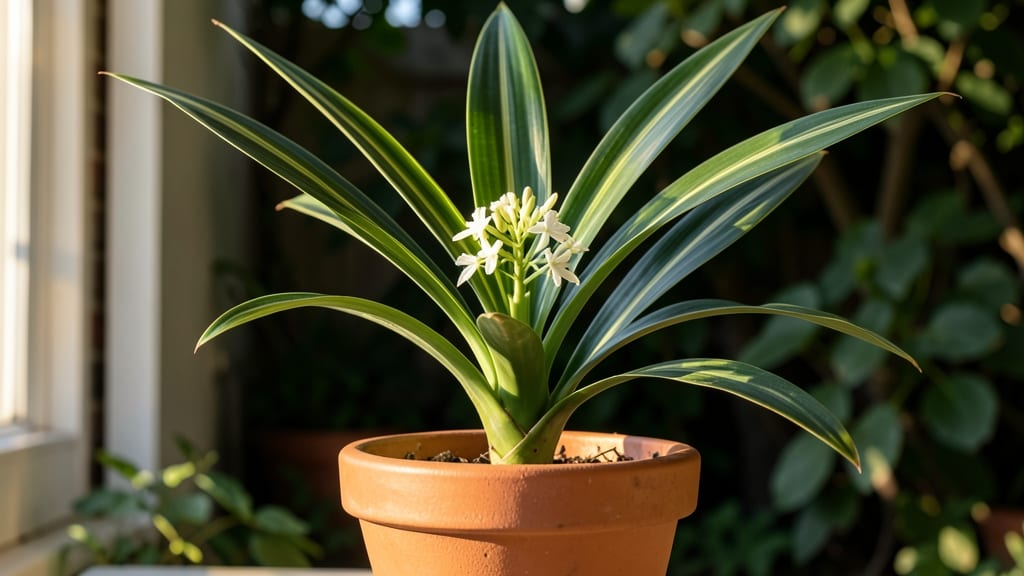
Your Dracaena plant’s vibrant bloom isn’t just luck—it’s a light puzzle only the patient gardener solves. 🌿 I’ve watched my own Dracaena go years without a single flower spike, until I finally cracked the code: bright, indirect light for 14+ hours a day, mimicking its tropical roots.
The moment I moved it to that east-facing window, the plant sent up its first creamy-white inflorescence—proof that light isn’t just about leaves, but about triggering that hidden flowering instinct.
The secret isn’t harsh sun—it’s consistent brightness. Think dappled shade under a canopy, not the harsh glare of midday. My plant now gets 6-8 hours of morning sun and the rest diffused light, plus a grow light for winter’s short days.
Overwatering kills the bloom signal, so let the top inch dry between drinks. The payoff? A 6-foot-tall spike covered in tiny, fragrant flowers that last for weeks—something no store-bought plant can match.
Once those flowers fade, don’t prune the stem—let it turn woody for next year’s potential blooms. The real magic happens in late winter, when you’ll spot those first tiny flower buds forming at the stem’s base.
It’s a slow game, but worth every adjusted pot rotation and light check. Your Dracaena isn’t just a houseplant—it’s a blooming artist waiting for the right stage lighting.
Works for all Dracaena varieties, from the towering Dracaena marginata to the bushy Dracaena fragrans. The only rule? Patience.
First blooms might take a year or two of perfect light conditions—but once you see that first spike, you’ll never go back to treating it like just another green thumb filler. Let’s get those lights right.
📚 In This Guide
- What you need
- Instructions
- Tips and common mistakes
- Wrapping up and next steps
What you need
- ● Dracaena plant (preferably a mature specimen—Dracaena fragrans or Dracaena marginata work best for blooming): Healthy, pest-free leaves
- ● Minimum height of 3–5 feet (older = better chances!)
- ● Grow lights or natural sunlight source: Full-spectrum LED grow lights (e.g., 10,000–15,000 lux for flowering stages)
- ● OR a south-facing window (if relying on natural light)
- ● Well-draining potting mix: 50% peat moss or coco coir
- ● 30% perlite or pumice (for aeration)
- ● 20% orchid bark or sand (to prevent root rot)
- ● Fertilizer: Balanced liquid fertilizer (e.g., 10-10-10 NPK) or a bloom-specific formula (e.g., 5-10-10 or 3-4-6)
- ● Diluted to half-strength (over-fertilizing stresses the plant!)
- ● Watering can with a narrow spout (to avoid soggy soil)
- ○ Humidity tray or pebble tray (optional but helpful for tropical Dracaenas)
- ● Growth regulator (e.g., Paclobutrazol or daminozide) to encourage compact growth and flowering—use sparingly!
- ● pH test kit (ideal soil pH: 6.0–6.5 for Dracaenas)
- ● Plant support stake (if your Dracaena leans—blooms can make it top-heavy!)
- ● Timer for grow lights (12–14 hours of light/day mimics natural flowering cues)
Step-by-Step light tricks to trigger dracena blooms
Here’s how to coax your dracaena into flowering—no fancy equipment needed, just smart light management.
☀️ Step 1: Mimic Seasonal Light Changes
Dracaenas bloom in response to shorter winter days and longer nights, so you’ll need to simulate this cycle. Start by moving your plant to a bright, indirect light spot (like 2-3 feet from an east-facing window) for 12 hours a day. This mimics natural daylight conditions during spring and summer.
Real talk: If your home has low winter light, supplement with a grow light for 8-10 hours daily—just keep it 12-18 inches away to avoid leaf burn. Watch for new growth after 4-6 weeks; this signals the plant is adjusting to the routine.
⏰ Step 2: Create a 12-Hour Night Cycle
For the next 8-10 weeks, shorten the light exposure to 12 hours per day—this triggers the flowering response. Use a timer to turn off lights or move the plant to a dark closet (no ambient light) for the remaining 12 hours. Consistency is key: even one extra hour of light can delay blooming.
Here’s the thing—dracaenas are sensitive to light interruptions. Keep the dark period completely dark (no phone flashes or hallway lights). You’ll know it’s working when the plant starts producing small, tight buds along the stems after 6-8 weeks of this cycle.
🌱 Step 3: Adjust Light Intensity for Bud Development
Once buds form, increase light to 14-16 hours daily to support flower development. Move the plant to a south-facing window or use a grow light 6-12 inches away for 10-12 hours a day. Avoid direct midday sun—it can scorch the delicate blooms.
You’ll see the buds plump up and change color (often from green to pink or white) as they mature. If the buds drop off, it’s usually a sign of too much movement (dracaenas hate being disturbed during blooming). Keep the plant stable and well-watered (but not soggy) to encourage full flowering.
💧 Step 4: Maintain Ideal Conditions During Blooming
While the plant flowers, keep the temperature between 65-75°F and humidity moderate (40-50%). Mist the leaves lightly 2-3 times a week or place the pot on a pebble tray to boost humidity without overwatering. Overwatering now can cause buds to fall prematurely.
Watch for yellowing leaves—this usually means the plant is stressed from too much light or water. Adjust by moving it slightly farther from the window or letting the top 1-2 inches of soil dry out between waterings. A blooming dracaena should have firm, upright stems and vibrant, glossy leaves.
✂️ Step 5: Post-Bloom Care to Encourage Future Flowers
After blooming, trim dead flowers with clean pruners, cutting just above a leaf node. This redirects the plant’s energy into new growth for next season. Feed with a balanced fertilizer (like 10-10-10) every 4-6 weeks during spring and summer to rebuild strength.
Don’t skip this step—I’ve seen dracaenas refuse to bloom for years after a single missed pruning cycle. Repot every 2-3 years if roots are crowded, using fresh, well-draining soil. A happy dracaena will reward you with another round of buds in just 12 months.
Tips & tricks for perfect dracena blooms
These simple adjustments will help your dracaena respond beautifully to your light tricks—and avoid common pitfalls along the way.
Light Source Precision: For Step 1, position your plant exactly 2-3 feet from an east-facing window to get that perfect bright, indirect light. If using a grow light, measure the distance with a tape measure—12-18 inches is critical. I learned this the hard way after my dracaena developed brown patches from being too close.
Timer Reliability: In Step 2, set your timer to turn off lights precisely at the 12-hour mark—no exceptions. Even 15 minutes extra light can disrupt the flowering cycle. I use a smart plug with a built-in timer to automate this, which has made all the difference in my plants' blooming success.
Dark Period Integrity: When creating that 12-hour dark cycle, completely block out all light sources. That means no nightlights, phone flashes, or even hallway lights if they're visible. I've seen buds drop off after just a few accidental light exposures during the dark period—it's that sensitive!
Bud Development Watch: Once you reach Step 3 and see those buds forming, monitor them closely. Healthy buds should plump up and change color within 2-3 weeks. If they stay small and green, increase light slightly to 15-16 hours daily. The color change is your best indicator that everything's working!
Pro Tips for Dracena Plant Bloom
- These simple adjustments will help your dracaena respond beautifully to your light tricks—and avoid common pitfalls along the way.
- Light Source Precision: For Step 1, position your plant exactly 2-3 feet from an east-facing window to get that perfect bright, indirect light.
- Timer Reliability: In Step 2, set your timer to turn off lights precisely at the 12-hour mark—no exceptions.
Frequently asked questions
about Dracaena blooms—because even the most patient plant parents have questions! Here are answers to the most common curiosities about coaxing those stunning flowers from your Dracaena.Why won’t my Dracaena plant bloom?
A Dracaena may refuse to bloom due to low light, lack of dormancy, or nutrient deficiencies. Most varieties need bright, indirect light (like near a window) and 6+ hours of darkness monthly to simulate winter. If it’s been years, it might just be slow—some Dracaena species bloom only every 10-15 years!
How long does it take for a Dracaena to bloom?
Patience is key! Indoor Dracaena (like D. fragrans) may never bloom, while outdoor or mature varieties (like D. marginata) can take 3-10 years under ideal conditions. If you’re using light tricks, expect 6-12 months of consistent care before seeing buds—if they’re meant to bloom at all.
Can I force a Dracaena to bloom indoors?
Yes, but it’s tricky! Mimic natural seasons with 12 hours of light/12 hours of darkness for 4-6 weeks (like a "winter" rest). Use a grow light for 10-12 hours daily, then remove it entirely at night. Fertilize lightly with high-phosphorus food (like 10-30-20) to encourage flowering. No guarantees, but it’s worth a try!
What do Dracaena flowers look like?
They’re unexpectedly dramatic! Dracaena blooms are panicle-shaped, with white, green, or yellowish flowers on tall, slender stems (up to 3 feet!). Some varieties (like D. reflexa) produce fragrant blooms, while others have tiny, star-like florets. Sadly, they’re short-lived—enjoy them for 1-2 weeks before they fade.
My Dracaena’s leaves are yellowing—will it still bloom?
Yellow leaves usually mean overwatering, poor drainage, or light stress, which can delay blooming. Fix the issue first: let soil dry between waterings, repot in well-draining mix, and move to brighter light. If the plant is otherwise healthy, it may still bloom—but focus on recovery first!
Are there Dracaena alternatives that bloom easier?
If you want low-effort blooms, try these Dracaena-like plants:
- Spider Plant (Chlorophytum comosum): Produces tiny white flowers on long stems.
- Snake Plant (Sansevieria): Rarely blooms indoors but can produce fragrant white flowers with patience.
- Peace Lily (Spathiphyllum): Blooms white spathe flowers regularly with proper care.
Wrapping up and next steps
Watching your Dracaena bloom is a rewarding experience—one that’s totally within your control with the right light tricks! 🌿 Whether you’re adjusting natural sunlight, fine-tuning artificial grow lights, or troubleshooting common issues, small changes can spark vibrant blooms.
Now that you’re armed with the know-how, why not give it a try? Grab your plant, tweak its light setup, and enjoy the journey to those stunning flowers. Happy gardening!
💡 Next step: Start monitoring your Dracaena’s response to light changes—keep a journal or snap photos to track progress! 📸