
Blooming
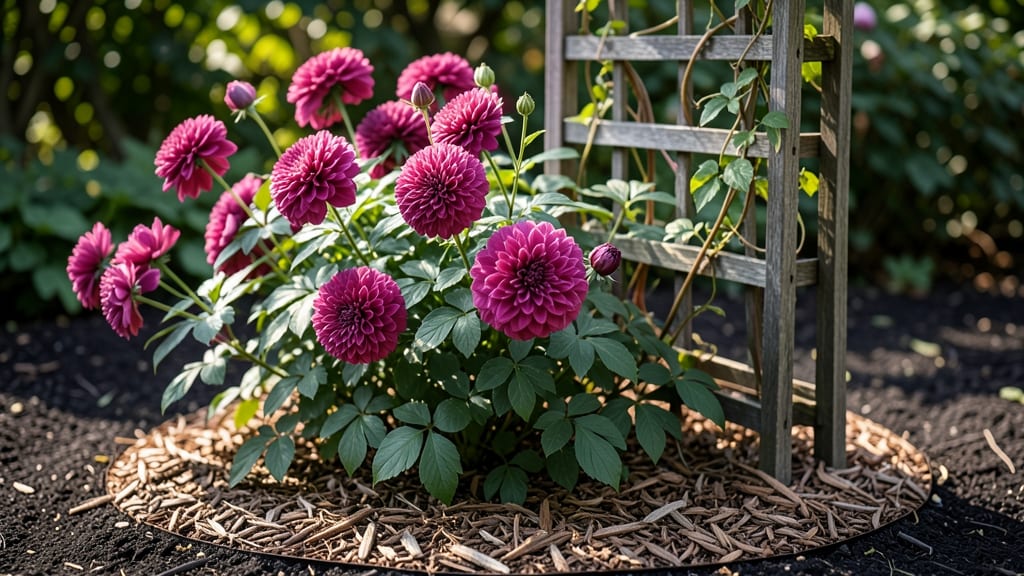
Double bloom clematis turns your garden into a nonstop floral show—but only if you know the secrets. 🌸 I’ve grown these vines for years, and the difference between a single flush of blooms and two full seasons of flowers comes down to three key moves: the right pruning style, a strong support system, and feeding at the perfect times.
Most gardeners overlook one of these, and that’s why their clematis never lives up to its potential.
The soil and sunlight set the foundation—rich, well-draining soil with a trellis or sturdy arbor keeps vines climbing (and blooms accessible). Water deeply once a week in dry spells, but never let them sit in soggy soil.
The real magic happens in late winter, when you prune back the previous year’s growth—this forces fresh, flower-heavy stems to emerge by spring. I’ve seen vines go from one weak bloom cycle to two lush, repeat performances just by adjusting this timing.
By summer, your clematis should be covered in velvety petals, with side shoots already forming for fall blooms. The trick to keeping them thriving? A balanced fertilizer every 6 weeks (focus on phosphorus for flowers) and deadheading spent blooms to redirect energy.
Even in my Zone 6 garden, these vines push out late-season flowers when others have given up—proof that double blooms aren’t just possible, they’re effortless once you know how.
Now, here’s the part most guides skip: troubleshooting. Yellow leaves? Too much nitrogen. No blooms? Not enough sunlight or pruning. And if your vines look leggy and weak, they’re begging for more support (and a stronger trellis).
With these adjustments, you’ll have a clematis that outperforms store-bought cut flowers—and does it year after year. Let’s get those vines growing!
📚 In This Guide
- What you need
- Instructions
- Tips and common mistakes
- Wrapping up and next steps
What you need
- ● Double Bloom Clematis Plant: Choose a Clematis variety known for reblooming, like Clematis 'Nelly Moser' or 'Jackmanii'. Ensure it’s labeled as Group 2 or 3 (medium pruning needs).
- ● Well-Draining Soil: Mix 1 part garden soil with 1 part compost and 1 part perlite or coarse sand (5 gallons total for planting). pH 6.5–7.0 is ideal.
- ● Support Structure: Trellis, arbor, or obelisk (minimum 6–8 feet tall for vines to climb).
- ● Sturdy stakes or a cage system (for smaller varieties).
- ● Mulch: 3–4 inches of organic mulch (e.g., shredded bark or straw) to retain moisture.
- ● Balanced Fertilizer: 10-10-10 or 5-10-10 NPK (1 cup per plant at planting time).
- ● Watering Can or Hose: With a gentle spray nozzle to avoid damaging blooms.
- ● Pruning Shears: Bypass pruners (sharp and sanitized) for clean cuts.
- ● Gloves: Heavy-duty gardening gloves to protect from thorns.
- ● Sunlight Spot: 6+ hours of direct sun daily (partial shade in hot climates).
- ○ Drip Irrigation (Optional): Automates watering for consistent moisture.
- ○ Epsom Salt (Optional): 1 tbsp/month in water for magnesium boosts (especially for yellowing leaves).
- ● Plant Ties or Twine: Soft ties to secure vines to supports gently.
- ● 🌡️ Plant in spring or early fall—avoid extreme heat or frost.
- ● ✨ Pair with deep-rooted companions (like lavender or roses) to share moisture.
- ● 🎯 Deadhead spent blooms to encourage second flushes of flowers!
Step-by-Step instructions for growing reblooming clematis
Here’s how I coax two flushes of blooms from a single clematis vine—with less pruning and more flowers.
☀️ Step 1: Choose the Right Location and Sunlight
Clematis thrives in full sun to partial shade, with at least 6 hours of direct sunlight daily. I plant mine where they get morning sun and afternoon shade in hot climates—this prevents leaf scorch while ensuring strong blooms. The key is avoiding midday heat stress on tender new growth.
Test your spot by marking where the plant will grow. If the area stays dry and hot, consider a lightweight shade cloth (30-50%) during peak summer hours. You’ll notice healthier foliage and more consistent blooms when the vine isn’t struggling to cool itself.
🪴 Step 2: Plant with Proper Support and Soil Prep
Install a strong trellis, arbor, or obelisk before planting—clematis vines can reach 10-15 feet and need sturdy support. I use galvanized wire cages for compact varieties and wooden arbors for climbing types. Bury the support 6 inches deep for stability.
Amend the soil with 3-4 inches of compost mixed into the top 12 inches of native soil. Clematis roots are shallow but extensive, so aim for well-draining, slightly acidic soil (pH 6.0-7.0). If your soil is heavy clay, add sand or perlite to improve drainage—waterlogged roots lead to root rot and fewer blooms.
✂️ Step 3: Prune for Reblooming Success (Group 2 or 3 Varieties)
Reblooming clematis (Groups 2 and 3) need minimal pruning to encourage two flowering cycles. Wait until late winter or early spring (just before new growth begins) to prune. Cut back last year’s stems to 2-3 feet tall, removing any dead or weak wood first.
Here’s the trick: Leave 3-5 strong buds on each stem—these will produce the first flush of blooms. The new growth that follows will form the second flush. Avoid heavy pruning in fall, as this removes next year’s flower buds. You’ll see more blooms per stem when you preserve these growth points.
💧 Step 4: Water and Fertilize for Continuous Blooms
Water deeply once a week during the growing season, ensuring the soil stays evenly moist but not soggy. Clematis roots are shallow, so mulch heavily (3-4 inches) with wood chips or straw to retain moisture and regulate soil temperature. I water in the early morning to reduce evaporation and fungal risks.
Feed with a balanced, slow-release fertilizer (10-10-10) in early spring, then switch to a low-phosphorus, high-potassium formula (5-10-10) when buds form. Avoid high-nitrogen fertilizers—they promote leafy growth at the expense of flowers. You’ll notice stronger stems and more blooms when the plant gets the right nutrients at the right time.
🌿 Step 5: Deadhead and Train for Long-Term Health
After the first flush of blooms fades, deadhead spent flowers by cutting back to the nearest healthy leaf. This redirects the plant’s energy into producing the second flush. I also pinch back new growth in early summer to encourage bushier, more productive vines.
Train the vines along the support, gently tying them with soft plant ties as they grow. Avoid wrapping wire or twine tightly—it can damage the stems. By mid-summer, you’ll see new shoots forming at the base, which will carry next year’s blooms. Prune these lightly in late summer to keep the plant tidy without sacrificing future flowers.
Tips & tricks for maximizing reblooming clematis
Here’s how to turn your clematis into a double-blooming powerhouse—without the guesswork.
Sunlight Strategy: The 6 hours of direct sunlight mentioned in Step 1 is non-negotiable, but timing matters just as much. I’ve found that positioning your trellis to catch morning sun (when temperatures are cooler) and afternoon shade (when the sun is strongest) makes all the difference—especially in hot climates. If you notice leaf edges turning brown, that’s your plant crying out for relief. A lightweight shade cloth (30-50%) during peak afternoon heat can save your blooms without sacrificing sunlight.
Support Stability: When installing your trellis or arbor in Step 2, don’t just bury it 6 inches deep—secure it with stakes or guy wires for extra wind resistance. I learned this the hard way when a summer storm toppled my wooden arbor, snapping stems that were already laden with buds. For heavy climbers, consider metal trellises that won’t rot over time. The goal is to create a support system that lasts as long as your vine will grow.
Pruning Precision: That 2-3 feet height for pruning in Step 3 is a guideline, but the real magic happens in the buds. Look for swollen, plump buds—these are your future blooms. If you’re unsure, make your cut just above a set of three buds (they’ll appear in a triangular pattern). I’ve seen gardeners cut too aggressively, only to watch their second flush never materialize. Patience here pays off with more blooms per stem and stronger growth for next year.
Watering Wisdom: The once-a-week deep watering in Step 4 is perfect, but timing is everything. Water in the early morning to let foliage dry before evening, which prevents fungal issues like powdery mildew. I’ve noticed that clematis roots are particularly sensitive to soggy conditions—if your soil stays wet for more than 24 hours, your plant will struggle. A well-draining soil mix (especially if you amended with sand or perlite) helps prevent this, but don’t skip the 3-4 inches of mulch—it’s the best insurance against moisture stress.
Pro Tips for Double Bloom Clematis
- Here’s how to turn your clematis into a double-blooming powerhouse—without the guesswork.
- Sunlight Strategy: The 6 hours of direct sunlight mentioned in Step 1 is non-negotiable, but timing matters just as much.
- Support Stability: When installing your trellis or arbor in Step 2, don’t just bury it 6 inches deep—secure it with stakes or guy wires for extra wind resistance.
Frequently asked questions
Got questions about growing double bloom clematis? You’re not alone!
Here are answers to the most common queries—from pruning puzzles to blooming secrets.
What’s the best way to encourage double blooms on clematis?
Feed your clematis with a balanced, phosphorus-rich fertilizer (like 10-10-10) in early spring and again after the first flush of flowers. Deadhead spent blooms gently (avoid cutting into woody stems) to redirect energy to new buds. Morning sun + afternoon shade also boosts reblooming vigor!
How long does it take for double bloom clematis to flower after planting?
Most varieties take 1–3 years to establish and bloom reliably. First-year plants focus on root growth, so expect smaller, fewer flowers. Patience pays off—well-established vines (3+ years) often produce two full bloom cycles per season!
Can I prune double bloom clematis the same way as regular clematis?
No!
Double bloomers (Group 3) need minimal pruning—only cut back dead or damaged stems in late winter. Avoid heavy pruning (like Group 1/2 varieties), as it removes next year’s flower buds. Pro tip: Use sharp shears and disinfect them to prevent disease.
Why aren’t my double bloom clematis flowers lasting long?
Short-lived blooms often signal overwatering, poor drainage, or nutrient stress. Ensure soil drains well (amend with compost if heavy) and water deeply but infrequently. Heat stress (especially in full sun) can also wilt flowers—provide afternoon shade in hot climates.
Are there low-maintenance alternatives to double bloom clematis?
Yes! Try Clematis ‘Jackmanii’ (hardy, vigorous, one bloom cycle) or Clematis montana (fragrant, early bloomer, minimal pruning). For zero-prune options, Clematis ‘Nelly Moser’ (Group 3) is a stunning, easy-care pick with fewer blooms but bold flowers.
Wrapping up and next steps
Growing double bloom clematis is a rewarding journey that transforms your garden into a breathtaking floral spectacle with minimal effort! 🌸 With the right support, soil, and a little seasonal pruning, these stunning vines will reward you year after year with lush, repeat blooms.
Whether you're a seasoned gardener or just starting out, this reblooming magic is well within reach.
Now that you’re armed with the knowledge, why not take the next step? Grab your pruners, pick a sunny spot, and let your double bloom clematis work its charm—your garden (and future visitors) will thank you!