
Blooming
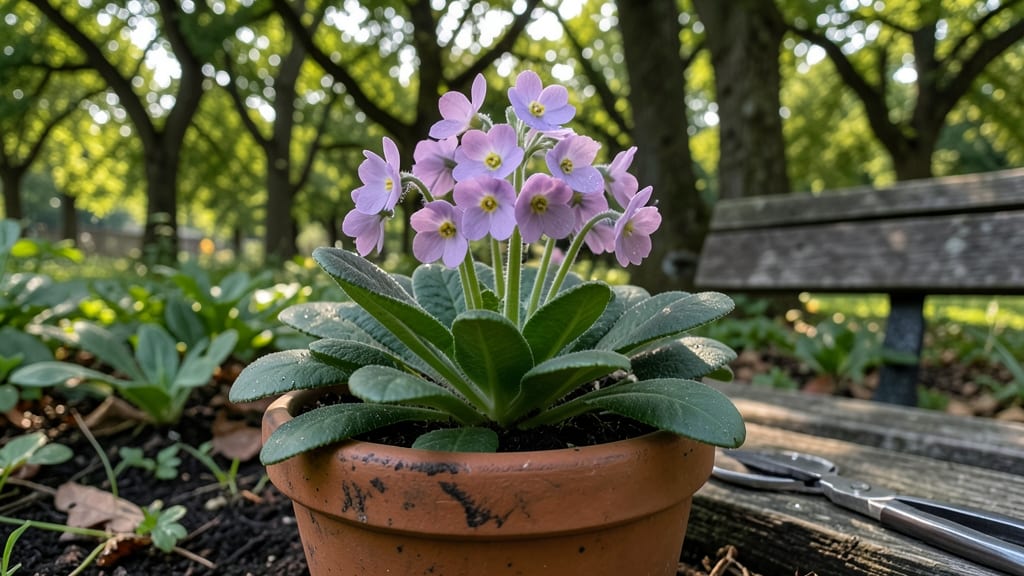
Do primroses bloom all summer?
Not quite—but with the right varieties, you’ll get reblooming waves from early spring through fall. 🌸 I’ve grown them for years, and the key is choosing cold-hardy types like Primula denticulata or Primula veris. which naturally pause in peak summer heat before rebounding in cooler weather.
Most primroses bloom in spring and early summer, then take a break when temperatures climb above 75°F. Some rebloom in fall when nights cool, while others need a light trim after flowering to encourage new buds. Deadheading spent blooms (but not too aggressively) keeps them producing for weeks longer.
For extended color, plant shade-tolerant varieties like Primula cortusoides or Primula juliae—they handle heat better than sun-loving types. In cooler climates (zones 3-7), primroses often bloom intermittently all season, while hotter regions see shorter bursts. A morning sun, afternoon shade spot helps too.
Pro tip: Mulch with 2-3 inches of compost to keep roots cool, and water consistently—drought stress cuts blooms short. With these tweaks, you’ll enjoy primroses longer than you’d expect, even if they’re not true summer showstoppers.
📚 In This Guide
- What you need
- Instructions
- Tips and common mistakes
- Wrapping up and next steps
What you need
- ● Primrose plants: Cold-hardy reblooming varieties (e.g., Primula denticulata or Primula veris)
- ● Quantity: 3–5 plants per garden bed (for optimal coverage and reblooming)
- ● Well-draining potting mix: Peat-based or organic blend (e.g., Miracle-Gro Potting Mix)
- ● Quantity: 1–2 bags (1 cubic foot each) per container or bed
- ● Containers or garden bed: Containers: 6–8" deep with drainage holes (for patio gardening)
- ● Garden beds: Partial shade with moist, humus-rich soil (pH 6.0–7.0)
- ● Fertilizer: Balanced, slow-release (e.g., 10-10-10 or 5-10-5)
- ● Quantity: 1 tbsp per plant (spring and early summer)
- ● Pruning shears: Sharp, clean shears (for deadheading and shaping)
- ● Mulch: Organic mulch (e.g., shredded bark or compost)
- ● Quantity: 2–3 inches to retain moisture
- ● Shade cloth: 30–50% coverage for hot climates (prevents wilting)
- ● Slow-release watering system: Drip irrigation or self-watering pots
- ● Epsom salt: 1 tbsp per gallon of water (monthly foliar spray for magnesium)
- ● Companion plants: Ferns or astilbes (to complement primroses in shade gardens)
How to keep primroses blooming through summer without exhaustive deadheading
Here's how I coax primroses into continuous summer blooms—no daily deadheading required.
🌱 Step 1: Select Reblooming Primrose Varieties
Not all primroses perform equally. For summer-long color, choose reblooming cultivars like 'Wanda' or 'Juliet'—these are bred to produce multiple flushes of flowers rather than one massive spring show. I avoid single-bloom types like 'Common Primrose' because they focus all their energy on one bloom cycle.
Check the plant tag for "reblooming" or "everblooming" labels. These varieties handle summer heat better and recover faster after each bloom cycle. Plant them in partial shade (3-6 hours of morning sun) to prevent leaf scorch while maintaining bloom triggers.
☀️ Step 2: Maintain Consistent Moisture and Light
Primroses despise dry soil, which stresses plants and halts blooming. Keep the root zone evenly moist—never soggy—by watering at the base when the top 1 inch of soil feels dry. I use a soaker hose set to low flow for 15 minutes twice weekly during summer heat waves.
Position plants where they receive bright, indirect light all day. Too much direct afternoon sun causes buds to drop before opening. If your garden has harsh afternoon exposure, provide 30% shade cloth during peak heat hours (11 AM–3 PM).
✂️ Step 3: Strategic Deadheading for Continuous Blooms
Instead of removing every spent bloom, I use a "selective deadheading" method: pinch off only fully faded flower stems (those with browned petals and dry seed pods). This preserves energy for new buds while preventing seed production that drains the plant.
Use clean pruners to cut stems ½ inch above the next set of leaves—never at a leaf node, which can invite rot. I do this every 7-10 days during peak bloom periods. The key is consistency: if you wait until stems turn woody, the plant redirects energy to seed production instead of new flowers.
💧 Step 4: Feed and Protect for Summer Resilience
Apply a balanced, water-soluble fertilizer (10-10-10) at half-strength every 4 weeks starting in early summer. This provides steady nutrients without burning roots. I mix it with water in a spray bottle for targeted application—avoiding foliage contact prevents leaf scorch.
Protect plants from late-summer heat stress by mulching with 2 inches of organic mulch (like shredded bark) to retain moisture and regulate soil temperature. In hot climates, I also provide afternoon shade with a lightweight shade sail to extend the bloom season into early fall.
🌿 Step 5: Monitor for Pests and Disease
Primroses attract aphids and slugs during summer. I inspect plants weekly for sticky residue (aphid honeydew) or chewed leaves (slug damage). For aphids, I spray with neem oil solution (1 tsp neem oil + 1 quart water) at dusk. For slugs, I set out beer traps (shallow dishes of beer) near the plants.
Watch for powdery mildew (white powder on leaves) in humid summers. Improve air circulation by spacing plants 12 inches apart and avoid overhead watering. If mildew appears, treat with baking soda spray (1 tsp baking soda + 1 quart water + few drops of soap) applied every 5 days until cleared.
Tips & tricks for perfect summer primrose blooms
Here's what I learned after years of pushing primroses to bloom beyond their usual spring cycle.
Variety Matters: The 3-6 hours of morning sun mentioned in Step 1 is non-negotiable for reblooming varieties like 'Wanda'—they need this light pattern to trigger continuous flowering. I've found that planting near taller perennials creates natural shade during afternoon heat while still allowing morning sun exposure. The key is avoiding leaf scorch while maintaining photosynthesis for new buds.
Watering Wisdom: That 15-minute soaker hose session twice weekly is perfect for summer heat waves, but I've learned to adjust based on rainfall. After heavy storms, I reduce to once weekly to prevent waterlogging, which stresses roots and halts blooming. Always check the top inch of soil—if it's damp, wait before watering again.
Deadheading Discipline: The 7-10 day deadheading schedule in Step 3 works because it matches the plant's natural bloom cycle. I mark my calendar when I first see buds appear—this helps me stay consistent. The secret is cutting just above the next set of leaves; this encourages lateral branching where new flowers will form. Never cut at a leaf node or you risk disease entry points.
Fertilizer Timing: The half-strength 10-10-10 application every 4 weeks is ideal, but I've discovered a pro trick: split the dose into two applications—half now and half again in 2 weeks. This gives plants a steady nutrient supply without risking root burn from over-fertilizing during summer's intense growth periods.
Pro Tips for Do Primroses Bloom All Summer
- Here's what I learned after years of pushing primroses to bloom beyond their usual spring cycle.
- Variety Matters: The 3-6 hours of morning sun mentioned in Step 1 is non-negotiable for reblooming varieties like 'Wanda'—they need this light pattern to trigger continuous flowering.
- Watering Wisdom: That 15-minute soaker hose session twice weekly is perfect for summer heat waves, but I've learned to adjust based on rainfall.
Frequently asked questions
Got questions about primrose blooms? You're not alone!
Here are some of the most common queries gardeners have about keeping these cheerful flowers in bloom—especially during the summer heat.
Do primroses actually bloom all summer, or just in spring?
Most primroses are spring bloomers and won’t naturally rebloom all summer unless they’re cold-hardy reblooming varieties (like Primula denticulata or P. juliae). Even then, summer heat can cause them to pause blooming until cooler fall temps return.
Why did my primroses stop blooming mid-summer?
Summer dormancy is normal! Primroses often go dormant in heat to conserve energy. If they’re wilting or looking stressed, check for overwatering, poor drainage, or too much direct sun. Move them to partial shade and reduce watering until temps drop.
Can I encourage primroses to rebloom in summer?
Yes! Deadhead spent blooms regularly to prompt new growth, and fertilize lightly with a balanced, water-soluble formula (like 10-10-10) every 4–6 weeks. Reblooming varieties also thrive with consistent moisture and cool roots—mulch to keep soil temps steady.
Are there primrose alternatives that bloom all summer?
If you want nonstop summer color, try these primrose-like perennials:
- Lungwort (Pulmonaria) – Reblooms in spring/fall, shade-tolerant.
- Coral Bells (Heuchera) – Foliage + occasional summer blooms.
- Bleeding Heart (Dicentra) – Spring blooms, but some varieties rebloom lightly.
- Impatiens (Impatiens walleriana) – Annuals with nonstop summer flowers (but need shade).
My primroses look sad—are they dying, or just resting?
Primroses often look "done" in summer but may regrow in fall. Check for:
- Yellow leaves = Overwatering or root rot (reduce water, improve drainage).
- Holes in leaves = Slugs/snails (use beer traps or diatomaceous earth).
- White powder = Powdery mildew (spray with neem oil).
Wrapping up and next steps
While primroses may not bloom all summer, choosing cold-hardy reblooming varieties and practicing minimal deadheading can extend their vibrant displays well into the season! 🌸 With the right care—like proper sunlight, well-draining soil, and occasional pruning—you’ll enjoy their cheerful faces long after spring’s first flush.
Now that you’re armed with tips, why not plant a few this week? Your garden (and pollinators!) will thank you.
Next step:
- Pick a reblooming variety like Primula denticulata or P. malacoides for summer-long color.
- Grab some gloves and deadhead spent blooms to encourage more flowers.
- Share your primrose progress with fellow gardeners—inspiration spreads!