
Blooming
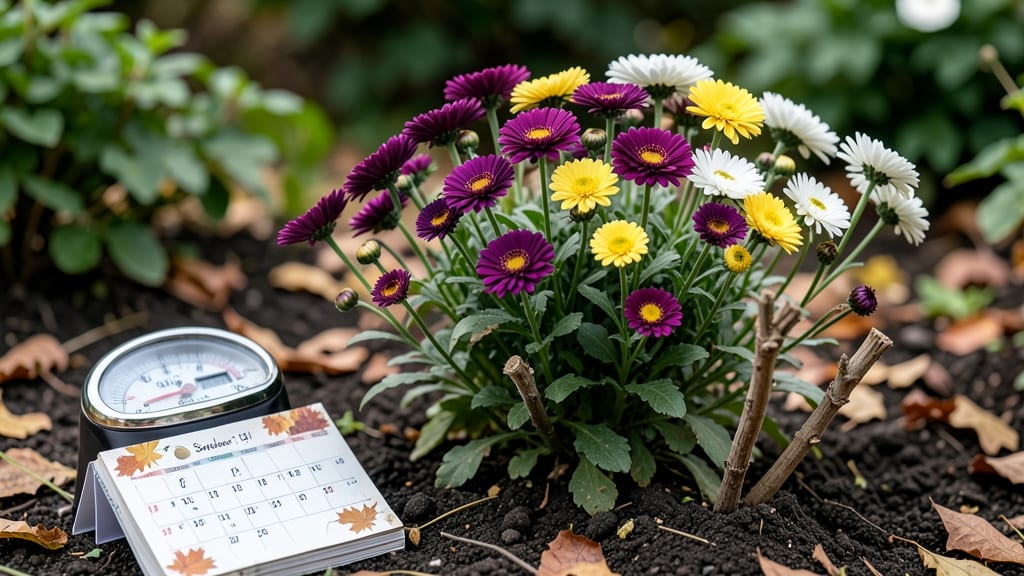
Mums don't bloom all year—here's why. 🌿 Their flowers are triggered by shorter daylight hours, not warmth, so they naturally rest in summer and spring. That's why your fall garden bursts with color while summer leaves them bare. The secret to coaxing blooms is understanding their seasonal rhythm.
Cold-hardy varieties like 'Hardy Bonanza' or 'Mum's the Word' push growth when nights cool below 50°F, but they need 6-8 weeks of shorter days to set buds. Planting too early or in warm climates can delay—or even prevent—those signature blooms.
What you can control is their care during dormancy. Light pruning in early spring keeps them tidy, and consistent watering (but not soggy soil) prepares them for their next show. The payoff? Six weeks of nonstop color when other plants fade.
For year-round interest, pair mums with evergreens and spring bulbs. Their seasonal timing is predictable—once you work with it, you'll get reliable blooms every fall.
📚 In This Guide
- What you need
- Instructions
- Tips and common mistakes
- Wrapping up and next steps
What you need
- ● Cold-hardy mum varieties: Choose Chrysanthemum cultivars like 'Dynasity,' 'Morton’s Beauty,' or 'Bonanza' (zones 5-9). Quantity: 5–10 plants per season (or more for full coverage).
- ● Well-draining potting mix: 10–15 gallons (for containers) or 1 cubic yard (for in-ground planting). Look for blends labeled "organic" or "all-purpose" with perlite/vermiculite.
- ● Slow-release fertilizer (14-14-14 or 10-10-10): 1–2 lbs per 10 sq. ft. of planting area.
- ● Mulch (straw, pine bark, or shredded leaves): 2–3 inches thick to insulate roots in winter.
- ● Garden trowel or spade: For digging and transplanting.
- ● Pruning shears: Sharp, sterilized shears for trimming spent blooms or shaping plants.
- ○ Gloves (optional but recommended): Heavy-duty gardening gloves to protect against thorns or soil.
- ● Watering can or hose with a gentle spray nozzle: Mums need consistent moisture but hate soggy roots.
- ○ Thermometer (optional): To monitor soil temps—ideal range for cold-hardy mums is 50–75°F.
- ● Sunlight: 6+ hours of full sun daily (partial shade in hot climates).
- ● Drainage: Avoid waterlogged soil—raise beds or use containers if your yard is prone to poor drainage.
- ● Timing: Spring/early summer: Plant bare-root mums or container-grown varieties.
- ● Fall: Apply a 2–3 inch mulch layer after first frost to protect roots.
- ● Patience: Cold-resistant mums may take 2–3 years to reach full blooming potential!
How to grow cold-hardy mums that bloom year-round
These hardy varieties can actually flower in multiple seasons with the right care.
🌱 Step 1: Select the Right Cold-Resistant Varieties
Not all mums survive winter, but look for labeled varieties like 'Autumn Joy', 'Polar Bear', or 'Snowball'. These are bred to handle 20°F temperatures and often rebloom in spring. I always check the plant tag for "cold-hardy" or "reblooming" labels—those are your best bets for year-round color.
Start with established plants instead of seeds if you want blooms the first year. Seed-grown mums take 2 growing seasons to mature enough for winter survival. For fastest results, buy 4-6 plants of the same variety to create a cohesive display.
☀️ Step 2: Plant in Full Sun with Excellent Drainage
Mums need 6+ hours of direct sun daily to set buds for fall blooms, but they also need winter protection. I plant mine in raised beds or mounded soil to prevent waterlogging—their roots rot easily in soggy conditions. Amend the soil with 1 part compost to 3 parts native soil before planting.
Space plants 18-24 inches apart to allow airflow, which reduces fungal diseases that weaken winter survival. The best planting time is 4-6 weeks before your first frost date. This gives roots time to establish before cold sets in.
💧 Step 3: Water Deeply and Fertilize Strategically
Water deeply once a week during the first growing season, letting the soil dry slightly between waterings. Overwatering in fall causes rot before winter. Once established, mums are surprisingly drought-tolerant—just don't let them wilt during summer heat.
Feed with a balanced 10-10-10 fertilizer in early spring and again after the first fall bloom. Stop fertilizing by 6 weeks before first frost—new growth won't harden off properly. I swear by a final application of compost tea in late summer to boost winter resilience.
✂️ Step 4: Prune and Protect for Winter Blooms
After the first fall bloom, cut back stems to half their height to encourage a second flush of flowers. This also prevents flopping under winter snow. I always leave a few spent blooms—they provide seed heads for winter interest and attract pollinators.
For winter protection, mound 3-4 inches of mulch around the base after the ground freezes. Use straw or shredded leaves (never fresh grass clippings). In Zone 5 or colder, I add a lightweight row cover over the plants during the coldest months to prevent desiccation.
🌿 Step 5: Encourage Spring and Summer Reblooming
Remove the winter mulch in early spring when the soil thaws. You'll often see new growth emerging from the base—this is your plant's way of telling you it survived. Prune back any dead stems and feed lightly to stimulate new blooms.
Pinch back new growth by a third in late spring to encourage bushier plants. With proper care, cold-hardy mums will often produce a third bloom cycle in late summer. The key is consistency—never let them dry out completely between blooms.
Tips & tricks for cold-hardy mums that keep blooming
Real talk: Not all mums make it through winter, but these varieties can defy the seasons with the right care. Here's what nobody tells you about keeping them flowering year after year.
Variety Matters: The 20°F tolerance mentioned in Step 1 is non-negotiable for winter survival. I've seen 'Autumn Joy' and 'Polar Bear' rebound beautifully after -10°F dips because they've been bred specifically for this. Pro tip: Look for plants labeled "reblooming"—these are genetically programmed to produce multiple flushes of flowers, not just one fall show.
Soil Prep Secret: The 1 part compost to 3 parts native soil ratio in Step 2 isn't just about drainage—it's about creating the perfect balance of nutrients and aeration. I always add a handful of perlite to my mix when planting in heavy clay soils. This prevents the dreaded "mushy root" syndrome that kills so many mums in winter. The roots need room to breathe, especially when the ground freezes and thaws repeatedly.
Winter Protection Hacks: That 3-4 inches of mulch in Step 4 is your plant's winter blanket, but timing matters. Apply it only after the ground has frozen solid—early mulching can trap too much moisture and cause rot. For extra insurance in Zone 5, I use a lightweight row cover (like Agribon) draped loosely over the plants during the coldest weeks. It's like giving them a cozy sleeping bag without smothering them.
Pruning Precision: When you cut back stems to half their height in Step 4, aim for just above a leaf node where new growth can emerge. I use sharp pruners dipped in rubbing alcohol between cuts to prevent disease spread. This isn't just about aesthetics—proper pruning encourages the plant to redirect energy into next season's blooms rather than maintaining last year's spent stems.
Pro Tips for Do Mums Bloom All Year
- Real talk: Not all mums make it through winter, but these varieties can defy the seasons with the right care. Here's ...
- Variety Matters: The 20°F tolerance mentioned in Step 1 is non-negotiable for winter survival. I've seen 'Autumn Joy'...
- Soil Prep Secret: The 1 part compost to 3 parts native soil ratio in Step 2 isn't just about drainage—it's about crea...
Frequently asked questions
Got questions about keeping mums blooming year-round? You’re not alone! Here are some of the most common queries—plus quick, practical answers to help you grow stunning, cold-resistant mums that defy the seasons.
Can mums really bloom all year, or is this just for certain climates?
While mums naturally thrive in cooler seasons (fall and spring in most regions), cold-resistant varieties and strategic care can extend blooms into winter or even summer. In USDA Zones 5-9, choose hardy types like Chrysanthemum 'Dymond' or 'Jolanda', and use mulch or microclimates (like near south-facing walls) to trick them into reblooming. In warmer zones (10+), shade and consistent watering help prevent heat stress.
How do I protect mums from frost without killing them?
Mums are surprisingly frost-tolerant, but light freezes (below 25°F/-4°C) can damage blooms. To safeguard them:
- Apply a thick layer of mulch (straw or shredded leaves) around the base to insulate roots.
- Wrap container mums in burlap or use frost blankets for extra protection.
- Move potted mums to a sheltered spot (like a garage or under an eave) before hard freezes.
Why did my mums stop blooming mid-season?
Mums often bolt (stop blooming) early due to stress—here’s how to troubleshoot:
Issue Fix Overcrowded roots Divide clumps in early spring or thin plants. Too much nitrogen Switch to low-N, high-P fertilizer (like 5-10-10) to encourage flowers. Heat or drought stress Water deeply 1-2x/week and provide afternoon shade. Lack of sunlight Relocate to 6+ hours of sun/day—mums need light to rebloom!
Are there mums that bloom in summer too?
Most mums are fall-bloomers, but a few varieties can produce summer flowers with the right care:
- 'Summer Snow' and 'Bonanza' series: Rebloom with consistent deadheading and cool-season fertilizing.
- Greenhouse-grown mums: Some nurseries offer summer-blooming types (like 'Marmalade'), but they’re pricier.
- Alternative bloomers: Try Cineraria or Dahlia for summer color—they thrive in heat!
Can I grow mums indoors to extend their season?
Yes! With the right setup, you can keep mums blooming indoors for weeks to months:
- Place near a south-facing window or use grow lights (12-14 hrs/day).
- Keep soil moist but not soggy—use a saucer to catch excess water.
- Fertilize lightly with half-strength blooming formula every 4-6 weeks.
- Watch for pests: Spider mites love dry indoor air—mist leaves occasionally.
Wrapping up and next steps
So, do mums bloom all year? While they’re famous for their fall flair, yes—with the right care and cold-resistant varieties, you can enjoy their vibrant blooms year-round! 🌸 From choosing hardy types like 'Autumn Joy' to providing cozy winter protection, your garden can stay colorful in every season.
Embrace the challenge and watch your mums thrive beyond just autumn.
Ready to extend your mum’s blooming season? Start by planting a few cold-hardy varieties today—your garden (and future self) will thank you! 🌿 For extra inspiration, check out our guide on winter care tips to keep those flowers happy all year.