
Pruning
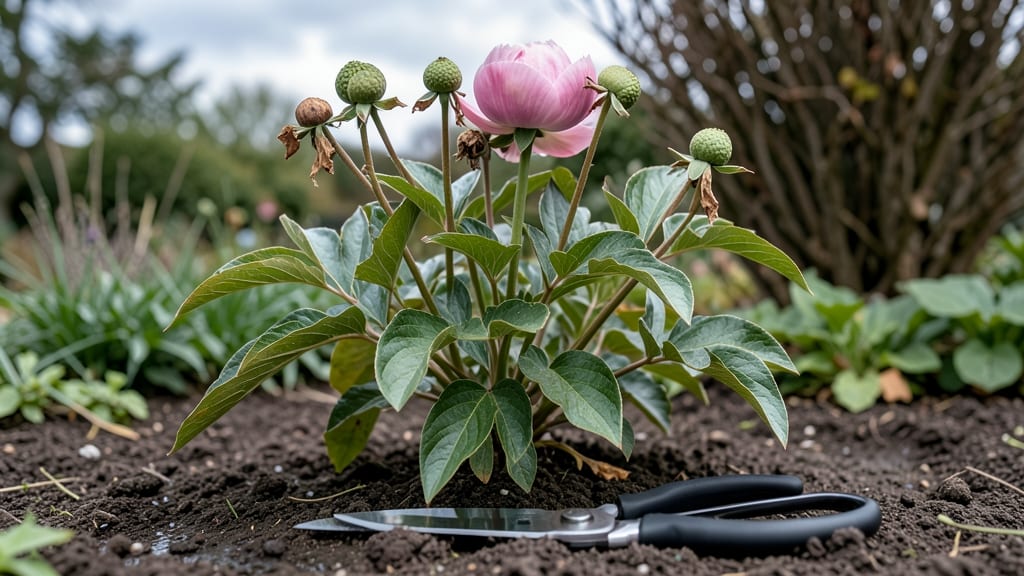
Deadheading peonies after blooming isn't just about tidying up—it's how you guarantee next year's bigger, more abundant flowers than this season. 🌸 I've learned that skipping this step means fewer blooms and weaker stems, but mastering it transforms your garden from pretty to spectacular.
The right tools make all the difference: clean pruners for crisp cuts, gloves to protect your hands from thorns, and a small bucket for spent blooms.
Most gardeners stop here, but the real magic happens in how you cut—never above the foliage, always at the first set of leaves below the bloom. After deadheading, your peonies will focus energy on root growth and next year's buds.
I've seen plants that went from 5 blooms to 20+ in just two seasons by following this simple technique. The key is timing: wait until blooms fade but leaves stay green.
Avoid these common mistakes: cutting too low (you'll kill next year's buds), using dull tools (they tear stems), or removing too much foliage (the plant needs it to feed roots). With these tricks, your peonies will reward you with healthier stems and even more dramatic blooms next spring.
📚 In This Guide
- What you need
- Instructions
- Tips and common mistakes
- Wrapping up and next steps
What you need
- ● Pruning shears or sharp bypass pruners – Choose clean, sterilized tools with sharp blades (4-6 inch blades work best). Why? Dull tools crush stems, inviting disease.
- ○ Gloves (optional but recommended) – Heavy-duty gardening gloves (nitrile-coated for grip) to protect against thorns and sap.
- ● Disinfectant (70% isopropyl alcohol or bleach solution) – 1 part bleach to 9 parts water for sterilizing tools between cuts.
- ● Trash bag or compost bin – For disposing of spent blooms (avoid composting if peonies show signs of disease).
- ○ Garden twine or rubber bands (optional) – To bundle and label pruned stems if saving for crafts.
- ● Timing – Deadhead only after blooms fade but before seed pods form (typically 2–4 weeks post-bloom, depending on variety).
- ● Weather check – Wait for a dry day to minimize soil splatter and disease risk.
- ● Peony health assessment – Inspect plants for pests (aphids, Japanese beetles) or fungal spots (e.g., botrytis) before pruning.
- ● Horticultural oil or neem oil – For treating stems if pests are spotted (1 tsp per quart of water, spray lightly).
- ● Plant food (balanced 10-10-10 or peony-specific fertilizer) – Apply after pruning to replenish nutrients for next year’s growth.
- ● Camera or journal – To track blooming patterns and pruning dates for future reference.
How to Deadhead peonies for stronger blooms next season
Peonies reward careful pruning with bigger, healthier blooms year after year—here's exactly how I do it.
✂️ Step 1: Wait Until Blooms Are Fully Faded
Don't cut too soon—wait until the petals have completely fallen off and the flower head turns brown. This ensures the plant has finished its energy transfer from bloom to seed production. I always check for dried, papery petals before touching the stems.
If you cut while the flower is still fresh, you're removing the plant's chance to store nutrients for next year's growth. The exception is if a storm or rain damages the blooms early—then clean up immediately to prevent disease.
✂️ Step 2: Cut Back to the First Healthy Leaf Node
Use clean, sharp pruners to make a 45-degree cut just above the first set of healthy leaves below the spent bloom. This node is where new growth will emerge next season. I aim for a spot where the stem is about 1 inch above the leaf—never cut into the leaf itself.
Peony stems are surprisingly strong—don't be afraid to grip firmly. The cut should be smooth, not jagged, which helps prevent disease from entering the plant. If your pruners are dull, you'll see the stem tear instead of cleanly separate.
🌱 Step 3: Remove All Spent Flower Stems Completely
Every single spent bloom stem needs to come out at the base. These stems don't regrow into new shoots, and leaving them creates energy drain points for the plant. I grab the base of each stem between thumb and forefinger and give a firm twist to pull it cleanly from the ground.
Don't leave stubs—these can rot and attract pests. The soil around peonies should look tidy after this step, with no brown stems protruding. This also makes it easier to spot any emerging new shoots later in the season.
💧 Step 4: Apply Mulch and Water Deeply
After pruning, spread a 2-3 inch layer of organic mulch around the base but not touching the crown. This protects the roots from temperature swings and retains moisture. I use shredded bark mulch because it breaks down slowly and improves soil structure over time.
Water deeply right after pruning to help the plant recover. The soil should be moist down to 6 inches deep. This encourages root growth, which is crucial for next year's blooms. Avoid overhead watering after pruning—it can spread any potential diseases through the fresh cuts.
☀️ Step 5: Monitor for New Growth in Early Summer
Within 4-6 weeks, you should see new shoots emerging from the base. These are your plant's promise of next year's blooms. I make a note in my garden journal when I first spot them—this helps track the plant's health and growth pattern.
If you don't see new shoots by mid-summer, your peony might be too crowded or lacking nutrients. This is your cue to divide the plant or add some balanced fertilizer. The key is patience—peonies grow slowly but reward careful attention with decades of blooms.
Tips & tricks for perfect peony deadheading
Here's what nobody tells you about getting your peonies ready for their next big show.
Timing is Everything: I can't stress this enough—wait until the flower head is completely brown and papery before cutting. If you're unsure, give it an extra day. The plant needs that final energy transfer from bloom to root. Think of it like waiting for a fruit to fully ripen before picking—you want that perfect moment when nature says "done."
Tool Prep Matters: Before you start, take 2 minutes to clean and sharpen your pruners. I use a small file to keep the blades sharp—dull tools crush stems instead of cutting cleanly, which can damage the plant. Also, wipe down the blades with rubbing alcohol between cuts to prevent spreading any potential diseases from one stem to another.
The 1-Inch Rule: When making that 45-degree cut in Step 2, measure the distance from the leaf node with your thumb. One inch is your target—any closer and you risk cutting into the leaf, which can introduce moisture and cause rot. This small detail makes a huge difference in how quickly your plant recovers and sends out new shoots.
Mulch Like a Pro: After pruning, don't just dump mulch randomly. Create a donut shape around the base, keeping it about 2-3 inches thick but leaving a clear circle around the crown itself. This prevents moisture from pooling right at the base where it could cause crown rot. I also like to add a handful of compost to the mulch for extra nutrients.
Pro Tips for Deadhead Peonies After Blooming
- Here's what nobody tells you about getting your peonies ready for their next big show.
- Timing is Everything: I can't stress this enough—wait until the flower head is completely brown and papery before cutting.
- Tool Prep Matters: Before you start, take 2 minutes to clean and sharpen your pruners.
Frequently asked questions
Got questions about deadheading peonies? You’re not alone!
Here are answers to the most common queries—so you can keep your peonies thriving and blooming year after year.
When is the best time to deadhead peonies after they bloom?
Deadhead peonies immediately after the blooms fade but before the seed pods form. This usually means trimming them back in early to mid-summer (June–July, depending on your climate). Cut back to the first set of healthy leaves below the flower head to encourage next year’s buds. Pro tip: Never cut into the woody stems—this can harm the plant!
Do I need special tools to deadhead peonies?
Nope! A pair of clean, sharp bypass pruners or even sterilized scissors will do the job. Avoid dull tools—they can crush stems and invite disease. If you’re dealing with thick stems, sanitize your pruners with rubbing alcohol between cuts to prevent bacterial spread. Bonus: A small hand saw works for stubborn, woody stems.
What if I skip deadheading? Will my peonies still bloom next year?
Peonies are forgiving, but skipping deadheading can lead to fewer blooms next season. Without pruning, the plant diverts energy into seed production instead of storing it for future growth. Over time, this may weaken the plant or reduce flower size. However, if you’ve missed a year, don’t stress—just start deadheading consistently afterward! Note: Heritage or antique peonies may bloom less vigorously if deadheaded, but modern varieties thrive with this care.
Can I cut peony stems for bouquets? Will this affect next year’s blooms?
Peonies make stunning bouquets, and cutting them for arrangements won’t harm the plant—as long as you leave the foliage intact. The leaves are busy photosynthesizing to fuel next year’s blooms. Just avoid cutting stems down to the ground; leave a few inches of foliage to keep the plant healthy. Fun fact: Peony stems are best cut in the bud stage for the longest vase life!
My peony leaves look yellow or spotted after deadheading. What’s wrong?
Yellowing or spotted leaves could signal fungal disease (like botrytis or powdery mildew) or bacterial infection. To prevent this, always use clean tools and avoid wetting the foliage when watering. If you spot issues, remove the affected leaves immediately and treat with a copper fungicide or neem oil. Improving airflow by spacing plants properly can also help. Prevention tip: Mulch around peonies to reduce soil splashing onto leaves!
Wrapping up and next steps
Deadheading peonies after blooming isn’t just about tidying up—it’s your secret weapon for even more stunning blooms next season! 🌸 By following the right techniques, you’ll encourage healthier growth, prevent disease, and enjoy peonies that thrive for years.
Now that you’re armed with the know-how, grab those pruners and give your peonies the care they deserve.
Ready to level up your garden game? Start by inspecting your peonies this week—watch those buds swell with anticipation for next year’s showstopper blooms! 🌱