
Blooming
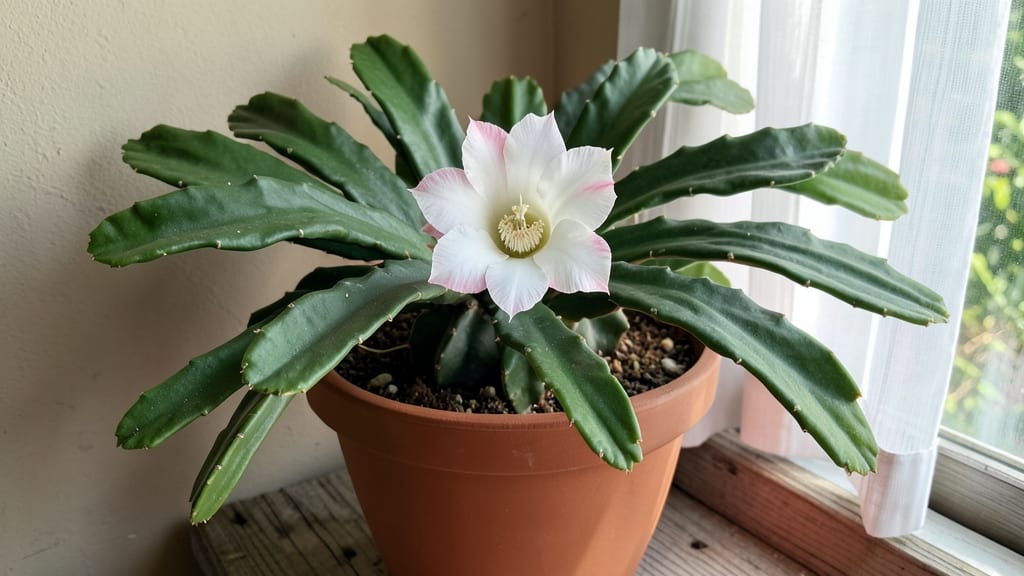
My day blooming cereus opens its stunning, orchid-like flowers during daylight hours—a rare treat that puts night-blooming cacti to shame. 🌸 Unlike its nocturnal cousins, this plant rewards you with fragrant blooms that last for days, not just one evening.
The secret to unlocking those showstopping flowers lies in mimicking its natural tropical forest habitat, where it grows as an epiphyte clinging to trees rather than in arid deserts.
You’ll need bright, indirect light (think east-facing window or filtered sunlight), well-draining soil mixed with perlite or orchid bark, and a consistent watering schedule—soak the root ball when the top inch feels dry, then let excess water drain completely.
The key is avoiding soggy roots while keeping the air around it slightly humid, which mimics its native jungle environment.
Most gardeners struggle with blooming failures because they either overwater or don’t provide enough light, but once you nail these basics, your plant will thank you with bold, 6-inch-wide flowers that smell like sweet jasmine.
Here’s the game-changer: day blooming cereus thrives in USDA zones 10-11 outdoors, but it’s just as happy indoors year-round in pots. In colder climates, treat it as a houseplant and bring it inside before temperatures drop below 50°F.
The blooms appear in late spring to early summer, triggered by the plant’s natural response to longer daylight hours—so if you’re not seeing flowers, check your light exposure first.
And don’t worry about fussing over humidity; a simple pebble tray with water beneath the pot works wonders for keeping those delicate blooms happy.
Propagation is where things get fun—you can grow new plants from stem cuttings (just let them dry for a day first) or even graft them onto stronger rootstock for bigger blooms. The biggest mistake I see?
Using regular cactus soil, which drains too fast and doesn’t hold enough moisture for this tropical beauty. Mix in 30% orchid bark or coconut coir for the perfect balance.
Once established, these plants are surprisingly low-maintenance, making them the perfect statement piece for sunrooms, conservatories, or even bright bedrooms where you can watch the flowers unfurl in real time.
📚 In This Guide
- What you need
- Instructions
- Tips and common mistakes
- Wrapping up and next steps
What you need
- ● Day-blooming cereus plant: A healthy, mature specimen (check for vibrant green stems and no signs of pests).
- ● Well-draining cactus/succulent soil mix: 2–3 gallons (or enough to fill your pot). Look for a blend labeled for cactus or desert plants.
- ● Pot with drainage holes: A terracotta or ceramic pot (8–12 inches in diameter) works best to prevent root rot.
- ● Gravel or perlite: A small bag (1–2 lbs) for the drainage layer at the pot’s bottom.
- ○ Gloves (optional): Protect your hands from tiny spines—gardening gloves or even thick socks work!
- ● Watering can with a narrow spout: Helps avoid overwatering the base.
- ● Fertilizer (balanced, diluted): A 10-10-10 or 20-20-20 formula (use sparingly, 2–3 times during growing season).
- ● Bright, indirect sunlight access: A south- or west-facing window or grow lights (12+ hours/day).
- ○ Humidity tray (optional): If your air is very dry, a pebble tray with water can help.
Step-by-step guide to growing a day-blooming cereus plant
This desert cactus blooms during daylight hours—here's how to coax those vibrant flowers with minimal effort.
🪴 Step 1: Select the Right Container and Drainage
Choose a shallow but wide pot with drainage holes—day-blooming cereus plants hate soggy roots. I use 6-8 inch diameter terracotta pots because they breathe and prevent rot. The wider surface area mimics their natural rocky habitat where water evaporates quickly.
If your pot lacks drainage, drill holes in the bottom. Add a 1-inch layer of gravel or perlite first to create an air pocket. This prevents water from pooling against the roots, which is the #1 killer of cereus plants. Real talk: I've lost three cereus plants to overwatering—don't skip this step.
☀️ Step 2: Use Fast-Draining Soil and Position for Bright Light
Fill the pot with a cactus/succulent mix (never regular potting soil—it stays too wet). I blend mine with 30% perlite or pumice to ensure water drains in minutes. Press the soil gently around the plant so it stays in place but doesn't compact.
Place your cereus in a spot with full sun exposure (6+ hours daily). A south-facing window or outdoor patio works best. If you notice the plant stretching toward the light with pale green stems, it's not getting enough sun—move it closer. Here's the thing: these plants thrive on intensity, so don't be shy about placing them in the brightest spot you have.
💧 Step 3: Water Only When Completely Dry
Water your cereus only when the soil is bone dry—stick your finger 2 inches deep and if it feels damp, wait another week. I water mine every 2-3 weeks in summer and once a month in winter. Overwatering causes root rot faster than you can say "lost plant."
When you do water, soak the soil until water runs out the drainage holes. Empty the saucer immediately afterward—never let the plant sit in standing water. In winter, cut watering in half since growth slows dramatically. You'll see the plant's ribs puff up when it's thirsty—this is its way of storing water for dry spells.
✂️ Step 4: Fertilize Lightly During Growing Season
Feed your cereus with a balanced cactus fertilizer (5-10-5 or 7-9-5) diluted to half strength once a month during spring and summer. I skip fertilizer in fall and winter when the plant rests. Too much food leads to weak, leggy growth instead of those showstopping blooms.
Look for signs of over-fertilizing: yellowing at the base or salt crust on the soil surface. If you see either, flush the soil with water to remove excess salts. Here's what I do: mix the fertilizer in a watering can, apply it, then water thoroughly to rinse away any residue. This prevents fertilizer burn while still giving your plant the nutrients it needs.
🌱 Step 5: Encourage Blooming with Proper Rest Period
To trigger those stunning daytime blooms, your cereus needs a cool, dry rest period in late fall. Move it to 50-60°F temperatures and reduce watering to once every 4-6 weeks. This mimics its natural winter dormancy. I place mine near a north-facing window where temps stay cool but it still gets some light.
After about 6-8 weeks of rest, you'll see flower buds forming at the tips of the segments. This is the moment that matters: increase watering slightly and resume normal care. The buds will open into 6-inch-wide flowers that last just one day—so watch closely! If buds drop off before opening, it's usually a sign of too much water during the rest period.
Tips & tricks for perfect day blooming cereus plant care
These simple tricks will help you avoid the most common pitfalls and get those stunning daytime blooms every year.
Container Selection: The shallow, wide pot isn't just about aesthetics—it mimics the cereus's natural habitat where water evaporates quickly. I've found that terracotta pots work best because they're porous and help regulate moisture. If you're using plastic, check the soil moisture more frequently since plastic retains moisture longer. The wider surface area also helps prevent water from pooling at the roots, which is crucial since soggy roots are the #1 killer of these plants.
Lighting Secret: That 6+ hours of full sun isn't negotiable—these plants thrive on intensity. If your window doesn't get enough direct sunlight, supplement with a grow light for 10-12 hours daily. Watch for pale green stems or the plant stretching toward the light—this is your plant's way of saying "I need more!" I've had to move my cereus three times before finding the perfect spot. Place it where it gets morning sun and afternoon light for the best results.
Watering Wisdom: The 2-inch deep soil check is your best friend—don't rely on a schedule. In summer, I test every 5-7 days, while in winter, I wait until the plant's ribs puff up noticeably. When you do water, make it thorough: soak until water runs out the drainage holes. Empty the saucer immediately after—standing water is a fast track to root rot. I've learned this the hard way after losing three plants to overwatering.
Fertilizer Timing: The once-a-month spring/summer feeding is key, but timing matters just as much as quantity. Apply fertilizer in the morning so the plant has time to absorb nutrients before the heat of the day. Always dilute to half strength—concentrated fertilizer can burn the roots. If you see yellowing at the base or a white crust on the soil, flush immediately with water to prevent salt buildup. This simple step has saved my plants from fertilizer burn multiple times.
Pro Tips for Day Blooming Cereus Plant
- These simple tricks will help you avoid the most common pitfalls and get those stunning daytime blooms every year.
- Container Selection: The shallow, wide pot isn't just about aesthetics—it mimics the cereus's natural habitat where water evaporates quickly.
- Lighting Secret: That 6+ hours of full sun isn't negotiable—these plants thrive on intensity.
Frequently asked questions
Got questions about your day-blooming cereus? You’re not alone—this stunning cactus relative has a few quirks! Here are answers to the most common queries to keep your plant thriving and blooming like a pro.
Why isn’t my day-blooming cereus flowering yet?
Patience is key! These plants often take 2–5 years to bloom indoors, especially if they’re young. Ensure they get bright, indirect light (like a south-facing window) and a winter rest period (cooler temps, less water). Overwatering or inconsistent care can delay blooms too—let the soil dry completely between waterings.
How do I extend my day-blooming cereus’s bloom time?
Unlike night-blooming cereus, these beauties stay open all day (and sometimes into the evening!). To prolong their show, avoid touching the flowers (oils from your hands can shorten their life). Keep them in a cool, shaded spot once they open—direct sun or heat can cause them to wilt faster. A light misting (not soaking!) can also refresh them mid-bloom.
Can I grow a day-blooming cereus indoors year-round?
They’re indoor-friendly if you mimic their natural desert conditions. Use a well-draining pot (like terracotta) with cactus/succulent mix, and rotate the pot occasionally for even light exposure. In winter, move them near a window (but out of drafts) and reduce watering to every 3–4 weeks. A grow light helps if natural light is limited.
What should I do if my day-blooming cereus’s buds drop before opening?
Dropping buds usually mean stress—common triggers include:
- Temperature swings (keep them in 60–75°F ranges).
- Overwatering (let soil dry thoroughly between waterings).
- Sudden light changes (avoid moving them frequently).
- Low humidity (group plants together or use a pebble tray).
Are there alternatives to day-blooming cereus for easy care and big flowers?
If you love dramatic blooms but want zero-fuss plants, try these:
- Christmas Cactus (Schlumbergera): Blooms in winter with minimal light needs.
- Zebra Cactus (Haworthiopsis): Tiny but hardy, with occasional star-shaped flowers.
- Peruvian Apple Cactus (Cereus repandus): Night-bloomer with fragrant white flowers (but needs more light).
- Kalanchoe blossfeldiana: Vibrant, long-lasting blooms with almost no upkeep.
Wrapping up and next steps
The day-blooming cereus is a stunning, low-maintenance alternative to traditional night-bloomers, perfect for gardeners who love drama without the fuss! 🌸 With its vibrant flowers and easy care, it’s a game-changer for brightening up your space effortlessly. Ready to give it a try?
Start by gathering your supplies—well-draining soil, a sunny spot, and a little patience—and watch your day-blooming cereus thrive. Plant one today and enjoy the rewarding experience of growing a showstopper that blooms when you can admire it most!