
Blooming
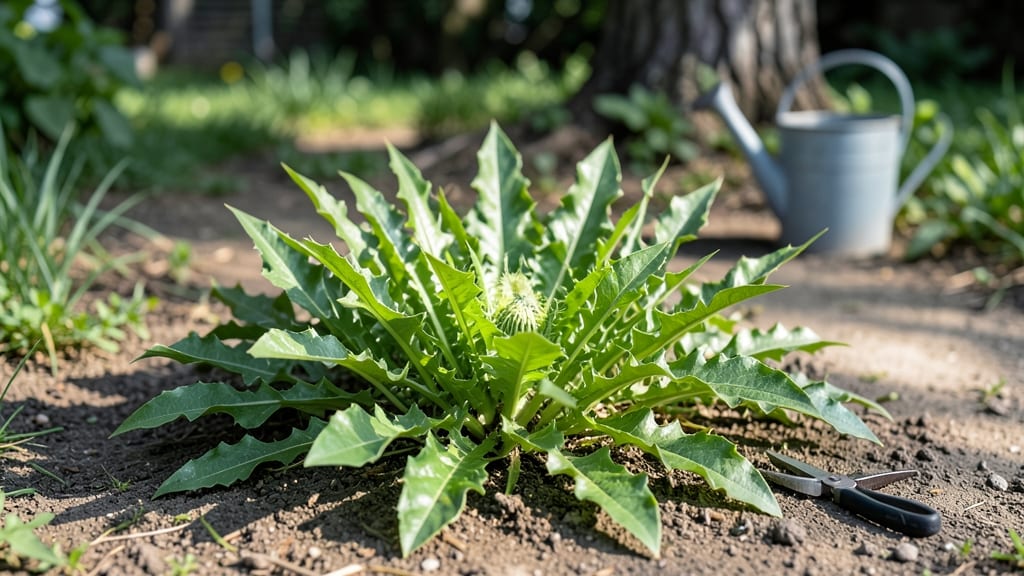
Harvesting dandelions before they bloom turns weeds into a nutrient-packed kitchen staple—no fancy garden required. 🌱 I’ve turned my lawn’s most hated plant into vibrant pesto and soothing tea, and it only takes 15 minutes to gather enough leaves for a week’s worth of meals.
The secret? Timing and technique to keep your garden (and your neighbors) happy.
The best time to harvest is early spring, when leaves are still tender and bitterness is mild. Look for young, deep green leaves—avoid the yellowing ones or those with white flower buds. A sharp knife or clean scissors works best, cutting just above the base to encourage regrowth.
You’ll need about 2 cups of leaves for a standard pesto recipe, but even a handful makes a great tea.
What you end up with is a garden that stays green longer, fewer unwanted seeds spreading, and a pantry stocked with homegrown goodness. The leaves pack vitamins A, C, and K, plus minerals like calcium and potassium. Plus, your garden will thank you—dandelions left unchecked can crowd out other plants.
This method works in lawns, gardens, or even sidewalk cracks. Just be consistent: harvest every 2-3 weeks** to keep the plants manageable. No special tools needed—just your hands, a pair of scissors, and a little patience. Ready to turn those "weeds" into something useful?
📚 In This Guide
- What you need
- Instructions
- Tips and common mistakes
- Wrapping up and next steps
What you need
- ● Fresh dandelion greens: Harvest young, pre-bloom leaves (avoid mature or bitter ones). Aim for 1–2 cups (packed) per batch.
- ● Sharp scissors or pruning shears: For clean cuts—sterilized to avoid contamination.
- ● Organic soap & water: To wash greens thoroughly (dandelions love absorbing dirt!).
- ○ Cheesecloth or fine-mesh strainer: For rinsing and drying leaves (optional but helpful).
- ● Food processor or mortar & pestle: For chopping greens into a fine paste (if making pesto).
- ● Storage container: Airtight glass jar or bag for keeping greens fresh (up to 3–5 days in the fridge).
- ● Nutritional yeast: Adds a cheesy flavor to pesto (¼ cup for depth).
- ● Garlic, nuts, or olive oil: Classic pesto boosters (adjust to taste!).
- ● Honey or lemon: Balances bitterness in tea (start with 1 tsp per cup).
- ● Gloves: If you’re sensitive to plant sap or thistles.
- ● Field guide or app: To ID dandelions (avoid look-alikes like milk thistle!).
Step-by-Step guide to harvesting young dandelion greens
Here's how to gather tender, flavorful greens before they turn bitter and flower.
🌱 Step 1: Identify and Select Young Dandelions
Look for dandelions with leaves no longer than 3-4 inches—these are the sweetest and least bitter. Avoid plants with yellow flowers or woody stems, as they develop a stronger, more unpleasant taste. I always check the undersides of leaves for pests like aphids before harvesting.
Pick leaves from the outer edges of the plant first to encourage new growth. Use clean, sharp scissors or your fingers to snip just above a leaf node. This prevents damaging the plant's center and allows regrowth for future harvests.
✂️ Step 2: Harvest Properly for Continued Growth
Never take more than one-third of the plant at a time. Dandelions are hardy and will regrow quickly if you leave the central rosette intact. I like to harvest on a dry morning after the dew has evaporated—this makes the leaves crisp and easy to handle.
Cut or pinch leaves just above where they meet the stem. This encourages the plant to branch out and produce more tender shoots. Avoid pulling entire plants, as this can uproot them and kill the plant.
💧 Step 3: Clean and Prepare the Greens
Rinse the leaves thoroughly under cool water to remove dirt and any lingering insects. Gently shake off excess water, then pat dry with a clean towel or paper towels. Dandelion leaves can be quite sandy, so a quick soak in a bowl of water for 5-10 minutes helps loosen debris before rinsing again.
Remove any tough or yellowed leaves, as these can make your harvest bitter. Store the cleaned greens in a sealed container in the refrigerator for up to 5 days, or freeze them in an airtight bag for longer storage.
☀️ Step 4: Use or Preserve Immediately
Young dandelion greens are best used fresh in salads, sautéed dishes, or blended into pesto. Their flavor is mild and slightly nutty, similar to arugula but with a hint of bitterness that mellows when cooked. I like to add them to pasta dishes or stir-fries for a unique twist.
For tea, simply steep fresh or dried leaves in hot water for 3-5 minutes. The younger the leaves, the milder the flavor. If you harvest regularly, you'll have a steady supply of fresh greens all season long.
Tips & tricks for perfectly harvesting young dandelion greens
These simple strategies will help you gather the freshest, most flavorful dandelion greens every time.
Timing is Everything: Harvest on cool mornings after the dew has dried but before the sun gets too hot. The leaves will be crispest then, and you'll avoid the bitter notes that develop as the day heats up. I've found that harvesting between 7-9 AM gives the best flavor and texture for both pesto and tea applications.
The Selection Secret: Focus on the youngest leaves—those closest to the center of the plant are the most tender. Look for leaves with smooth edges and vibrant green color. The 3-4 inch size guideline from Step 1 is your best friend—anything larger will have started developing that unpleasant bitterness. Confession: I skipped this step for years and wondered why my tea always tasted off!
Cleaning Hack: That 5-10 minute soak in Step 3 is a game-changer for sandy soil areas. Fill a large bowl with cool water and let the leaves soak while you rinse them thoroughly. The sand will settle at the bottom, making your final rinse much cleaner. Don't skip this step—it makes all the difference in texture and taste.
Storage Wisdom: For maximum freshness, store your cleaned greens in a sealed container with a paper towel to absorb any moisture. The 5-day refrigerator life mentioned in Step 3 holds true, but I've found freezing works even better for long-term storage. Spread leaves on a baking sheet, freeze until solid, then transfer to a bag for up to 3 months.
Pro Tips for Dandelions Before They Bloom
- These simple strategies will help you gather the freshest, most flavorful dandelion greens every time.
- Timing is Everything: Harvest on cool mornings after the dew has dried but before the sun gets too hot. The leaves wi...
- The Selection Secret: Focus on the youngest leaves—those closest to the center of the plant are the most tender. Look...
Frequently asked questions
Got questions about harvesting dandelions before they bloom? You’re not alone! Here are some of the most common queries—and their answers—to help you get started with confidence.
When is the best time to harvest dandelion greens?
Harvest young, tender dandelion leaves before the plant bolts (sends up its yellow flower stalk). Aim for early spring or fall when leaves are still low to the ground and no taller than 4–6 inches. Avoid harvesting after the plant develops a bitter taste or milky sap, which signals maturity.
How do I tell if dandelion greens are safe to eat?
Look for vibrant, deep green leaves without yellowing, wilting, or signs of pests. Avoid plants growing in areas treated with herbicides or pesticides. If you’re unsure, start with a small batch to test for bitterness or stomach sensitivity—many people tolerate them well once properly prepared!
Can I harvest dandelions from my lawn?
Yes, but only if your lawn is organic and free of chemical treatments. Dandelions absorb contaminants like herbicides, which can make them unsafe. If your lawn has been treated, harvest from a pesticide-free area like a garden bed or wild patch instead.
What’s the best way to reduce bitterness in dandelion greens?
Bitterness fades with cooking! Blanch leaves in boiling water for 2–3 minutes, then shock in ice water. For raw use, pair them with sweet or fatty ingredients (like lemon, garlic, or olive oil) to balance flavors. Younger leaves are naturally milder, so harvest early for the best taste.
Are there alternatives if dandelions aren’t available?
Try chickweed, purslane, or wild arugula—all have similar peppery, earthy flavors. Store-bought bitter greens like endive or radicchio work too, though they lack the same nutritional punch. Just blanch or sauté them to soften the texture.
Wrapping up and next steps
Harvesting dandelions before they bloom is a rewarding way to add nutrition and flavor to your meals—whether as pesto or a soothing tea. These young greens are packed with vitamins, minerals, and a delightful bitterness that brightens dishes. 🌱
Now that you’re ready to forage, get out there and explore! Start small by trying a dandelion pesto recipe or brewing a cup of tea. Share your creations with friends or experiment with new ways to enjoy this free, edible treasure in your backyard.
Happy harvesting! 🌿