
Blooming
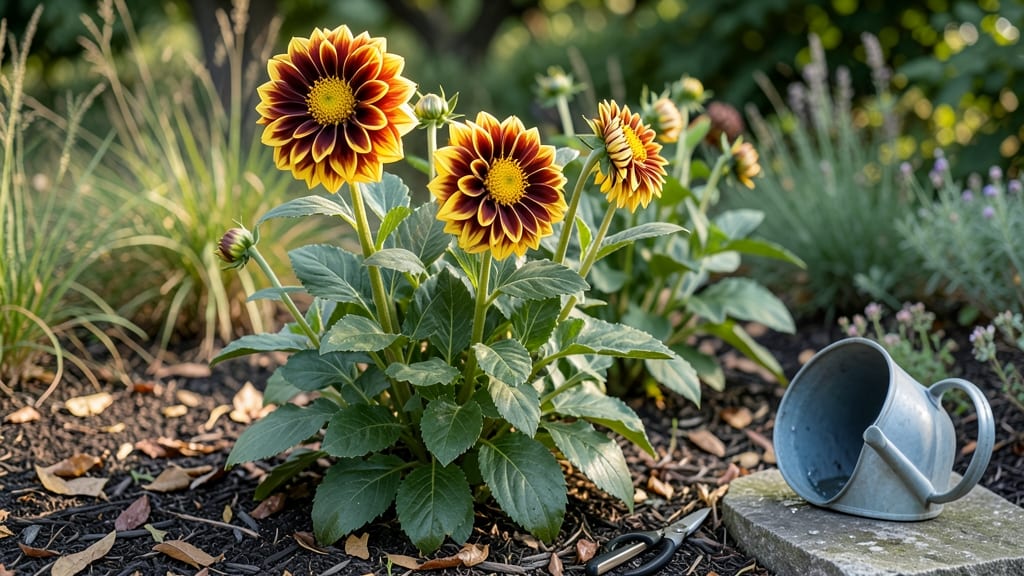
"Sonic Bloom" dahlias are the unsung heroes of the garden—frost-resistant perennials that refuse to quit blooming until the first real freeze. 🌿 I planted mine last spring and haven’t stopped admiring their deep burgundy, velvety petals since, even through summer heat waves and early fall chills. The secret? Their tubers store energy like a battery, letting them bounce back from cold snaps while most annuals wilt.
These beauties thrive in full sun to partial shade (at least 6 hours of sunlight daily) and well-draining soil—think rich, loamy garden beds or raised planters. Water them deeply once a week (more in extreme heat), but avoid soggy roots, which is their #1 enemy.
The 3-foot-tall stems stay sturdy with minimal staking, and each bloom lasts 7-10 days before giving way to the next wave. That’s right: reblooming isn’t just a promise—it’s a guarantee if you deadhead spent flowers.
What sets "Sonic Bloom" apart is its disease resistance—no more battling powdery mildew or slugs like with fancier dahlias. Still, watch for Japanese beetles (they adore these flowers) and aphids hiding under petals. A quick spray of neem oil keeps them at bay.
By late fall, dig up the tubers, store them in dry peat moss, and replant next spring. Your garden will thank you with months of drama-free blooms that outlast every other dahlia variety.
Perfect for beginner gardeners (they’re forgiving) and seasoned growers (they’re showstoppers). The only mistake you’ll make? Not planting enough. Here’s how to keep them thriving—no frost, no fuss.
📚 In This Guide
- What you need
- Instructions
- Tips and common mistakes
- Wrapping up and next steps
What you need
- ● Dahlia Sonic Bloom tubers: 1–3 tubers (depending on desired plant size and display impact). Choose healthy, firm tubers with visible "eyes" (growth points).
- ● Well-draining potting mix: 5–10 gallons (or enough to fill your chosen container). Opt for a blend with 50% compost and 50% perlite or vermiculite to prevent rot.
- ● Containers or garden bed: Containers: 12–18" deep pots with drainage holes (1–2 tubers per 12" pot).
- ● Garden bed: Full sun (6+ hours/day) and loose, fertile soil with a pH of 6.5–7.0.
- ● Slow-release fertilizer: 1 cup (for containers) or 2–3 lbs (for garden beds). Look for a balanced formula (e.g., 10-10-10 or 5-10-5 with micronutrients).
- ● Mulch: 2–3 inches of organic mulch (e.g., straw or shredded bark) to retain moisture and protect roots.
- ● Hand trowel or small shovel (for planting and soil prep).
- ● Gloves (to protect hands from thorns and soil).
- ● Watering can or hose with a gentle spray nozzle (dahlias hate soggy roots!).
- ● Pruning shears (for deadheading and shaping plants).
- ○ Stakes or tomato cages (optional but helpful for tall varieties to prevent flopping).
- ● Frost cloth or row covers (if growing in colder climates; Sonic Blooms are frost-tolerant but benefit from protection in early/late seasons).
- ● Soak tubers in water for 4–6 hours before planting to kickstart growth. 🌊
- ○ If planting in containers, use a heat mat (optional) to extend the growing season in cooler months. ❄️→🌿
- ● For garden beds, amend soil with composted manure (e.g., cow or chicken) for extra nutrients. 🐄💨
How to grow dahlia 'Sonic Bloom' for nonstop summer color
These frost-resistant dahlias keep blooming until frost—here's how to coax their dramatic color from spring until fall.
🌱 Step 1: Plant Tubers in Well-Draining Soil After Last Frost
Wait until soil reaches 60°F and all frost danger has passed—2-3 weeks after your last frost date. Plant tubers 4-6 inches deep, spacing them 18-24 inches apart for full-size blooms. I always plant mine slightly deeper in clay-heavy soil to prevent heaving during freeze-thaw cycles.
Mound soil around the tuber with the "eyes" (buds) facing upward. The reason we plant deep is that dahlias store energy in their tubers, and deeper planting encourages stronger stems. Water immediately after planting to settle the soil and eliminate air pockets around the roots.
☀️ Step 2: Provide Full Sun and Consistent Moisture
'Sonic Bloom' thrives in 6+ hours of direct sun, but in hot climates, afternoon shade prevents wilting. I've found that morning sun with afternoon shade produces the most vibrant blooms—watch for leaves curling in intense afternoon heat.
Keep soil consistently moist but never soggy. Dahlias hate wet feet, so I water at the base rather than overhead. Aim for 1-1.5 inches of water weekly, adjusting for rainfall. You'll know moisture is right when the top 2 inches of soil feel damp but not saturated—stick your finger in to check.
✂️ Step 3: Deadhead Regularly to Encourage Reblooming
This is the secret to nonstop blooms: pinch off spent flowers below the first set of leaves using clean, sharp pruners. I deadhead weekly throughout the season—you'll see new buds forming within 7-10 days of each cut.
For extra vigor, cut back leggy stems by ⅓ their length in early summer. This might seem harsh, but it triggers bushier growth and more blooms. Just avoid cutting into woody stems—focus on green growth only.
🌿 Step 4: Fertilize Monthly for Vibrant Blooms
Use a balanced 10-10-10 fertilizer every 4-6 weeks starting when shoots emerge. Dahlias are heavy feeders, but I've learned the hard way that too much nitrogen produces lush foliage at the expense of flowers. Switch to a 5-10-10 formula in late summer to boost blooming.
Apply fertilizer when soil is moist to prevent root burn. Work it into the top 2 inches of soil around the base, keeping it 3 inches away from stems. You'll notice richer colors and sturdier stems within 2-3 weeks of each feeding.
⏰ Step 5: Prepare for Winter Storage
When frost threatens, cut stems back to 6 inches above ground. Dig up tubers carefully with a fork, shaking off excess soil. Let them dry in a dark, cool (50-60°F) spot for 1-2 weeks before storing in a paper bag with dry peat moss.
I keep mine in a garage corner where temps stay stable. In spring, I inspect tubers for soft spots—any mushy areas mean the tuber won't survive. Healthy tubers will still have firm buds when planting time comes around again.
Tips & tricks for perfect dahlia 'Sonic Bloom' growth
Here's what nobody tells you about growing these dramatic, frost-resistant beauties—tried-and-true secrets that'll keep your 'Sonic Bloom' dahlias blooming until frost.
Soil Temperature Timing: That 60°F soil temperature in Step 1 isn't just a suggestion—it's the magic threshold where tubers wake from dormancy without risking frost damage. I've planted too early when soil was still cool, and the tubers just sat there, unwilling to sprout. Use a soil thermometer if you're unsure; it's worth the investment for these high-stakes perennials. The 2-3 weeks after last frost window gives you a safety net if Mother Nature surprises you with late frosts.
Sunlight Strategy: While 'Sonic Bloom' loves full sun, I've found the 6+ hours requirement can be tricky in hot climates. The afternoon shade tip in Step 2 is crucial—think of it as giving your plants a siesta. I've seen leaves curl and crisp in intense afternoon heat, so I now plant mine where they get morning sun and afternoon shade from nearby trees or structures. This balance produces those signature vibrant blooms that make 'Sonic Bloom' worth growing.
Deadheading Discipline: That weekly deadheading in Step 3 might seem tedious, but I've seen the results firsthand—new buds appear within 7-10 days of each cut. Here's my secret: I deadhead on my weekly garden walk, turning it into a quick maintenance ritual. Use clean pruners and cut just below the first set of leaves to encourage strong regrowth. I've also found that cutting back leggy stems by ⅓ their length in early summer triggers bushier growth, though it might seem counterintuitive at first.
Fertilizer Transition: The switch from 10-10-10 to 5-10-10 fertilizer in late summer is where many gardeners go wrong. Too much nitrogen too late in the season will give you leaves instead of blooms. I mark my calendar for this transition—typically around mid-summer—and notice the difference in bloom production within 2-3 weeks. Always apply when soil is moist to prevent root burn, and keep fertilizer 3 inches away from stems to avoid chemical burns.
Pro Tips for Dahlia Sonic Bloom
- Here's what nobody tells you about growing these dramatic, frost-resistant beauties—tried-and-true secrets that'll keep your 'Sonic Bloom' dahlias blooming until frost.
- Soil Temperature Timing: That 60°F soil temperature in Step 1 isn't just a suggestion—it's the magic threshold where tubers wake from dormancy without risking frost damage.
- Sunlight Strategy: While 'Sonic Bloom' loves full sun, I've found the 6+ hours requirement can be tricky in hot climates.
Frequently asked questions
How cold can Sonic Bloom dahlias tolerate before they need protection?
The Sonic Bloom is one of the hardiest dahlias, rated for Zone 5 (down to -20°F/-29°C) when fully established. However, young tubers or newly planted divisions may need frost blankets until roots are deep (after 6+ weeks). In extreme freezes (< -15°F/-26°C), mulch heavily with straw or leaves to insulate the crown. Pro tip: Wait to plant until soil warms to 55°F (13°C) to avoid cold shock!
Why isn’t my Sonic Bloom reblooming like it should?
Reblooming dahlias need consistent care. Check these fixes:
- Deadhead spent blooms regularly to encourage new growth.
- Ensure 6+ hours of sunlight daily—shady spots reduce blooms.
- Fertilize with low-nitrogen, high-phosphorus feed (like 5-10-10) every 3–4 weeks.
- Water deeply 1–2x/week (dahlias hate soggy roots!).
Can I grow Sonic Bloom in containers? What’s the best setup?
Containers work well if you:
- Use a 5-gallon+ pot (bigger = more blooms).
- Fill with well-draining mix (60% potting soil, 30% compost, 10% perlite).
- Plant one tuber per container (or 2 small divisions).
- Place in full sun and water daily in hot weather.
What pests or diseases should I watch for with Sonic Bloom?
These are the top threats:
- Aphids/slugs: Spray with soapy water or use beer traps. Handpick slugs at night!
- Powdery mildew: Improve airflow, avoid overhead watering, and spray with neem oil if you see white dust.
- Root rot: Caused by overwatering—ensure pots/containers drain well.
- Japanese beetles: Handpick or use kaolin clay as a barrier.
How do I store Sonic Bloom tubers over winter for next year?
Store tubers in cool, dark, dry conditions (40–50°F/4–10°C, 50% humidity):
- Cut back foliage, dig up tubers after first frost, and let them dry for 2–3 days.
- Trim stems to 1 inch and brush off soil.
- Store in paper bags or cardboard boxes with peat moss or sawdust (not plastic!).
- Check monthly for rot—discard any mushy tubers.
Wrapping up and next steps
Growing Dahlia Sonic Bloom perennials is a rewarding journey that brings vibrant color and continuous blooms to your garden—even through light frosts! With the right preparation, these hardy beauties thrive year after year, offering effortless charm and seasonal joy. 🌸
Ready to dive in? Start by prepping your soil and planting at the right time—then sit back and enjoy the show as these frost-proof stars take center stage. Your garden’s next masterpiece is just a few steps away!
- 🌱 Next step: Mark your calendar for planting season and gather your supplies!
- 📝 Pro tip: Sketch a quick garden layout to maximize their stunning reblooming potential.