
Blooming
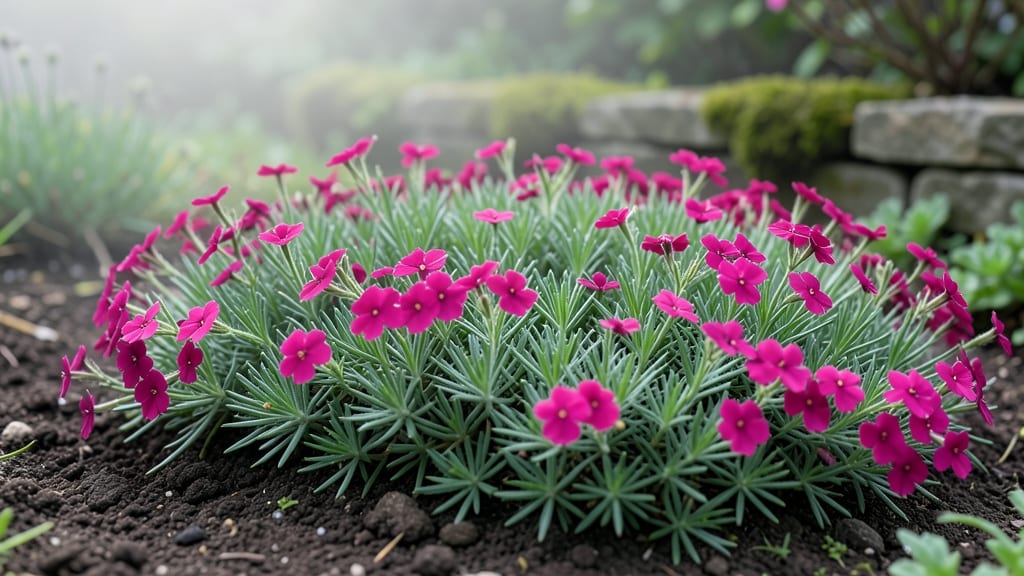
Creeping phlox blooms in early to mid-spring, turning your garden into a purple carpet that lasts for weeks. 🌸 I’ve watched mine transform bare ground into a sea of color—this isn’t a one-time show; it’s a reblooming star that surprises with late-season flowers too.
The timing shifts slightly depending on your zone, but most gardeners see the first buds peeking through in March or April.
The key to extending that bloom time? Sunlight and soil prep—creeping phlox thrives in full sun and well-draining soil. Too much shade or soggy roots, and you’ll get fewer flowers.
I’ve found that cutting back dead blooms after the first flush encourages a second wave in early summer, especially in warmer climates. It’s like giving your phlox a little nudge to keep performing.
What you’ll end up with is a low-maintenance groundcover that spreads effortlessly while putting on a floral display year after year. The fragrance alone—sweet and intoxicating—makes it worth the effort. With the right care, you’ll have blooms that last from spring into early summer, with bonus flowers in fall.
Works in USDA Zones 3-9, making it versatile for cool mountain gardens or mild coastal areas. The secret? Start with healthy plants, feed them in early spring, and keep the weeds at bay. That’s it—no fuss, just color.
📚 In This Guide
- What you need
- Instructions
- Tips and common mistakes
- Wrapping up and next steps
What you need
- ● Creeping phlox plants: 12–24 plants per 10-foot section (depending on desired density). Choose varieties like Phlox subulata for early spring blooms or Phlox stolonifera for later seasons.
- ● Well-draining potting mix or garden soil: 1–2 cubic yards (for in-ground planting) or 10–15-gallon bags (for containers). Amend with compost (1 part compost to 3 parts soil) for fertility.
- ● Organic mulch: 2–3 inches of pine straw, cedar chips, or shredded bark to retain moisture and suppress weeds.
- ● Slow-release fertilizer: 10–20-10 or 5–10–5 blend (1 lb per 100 sq ft). Look for low-phosphorus options to avoid leggy growth.
- ● Garden tools: Trowel or hand shovel
- ● Pruners (sterilized)
- ● Garden rake
- ● Measuring tape (for spacing)
- ● Epsom salt: 1 tbsp per plant (dissolved in water) to boost magnesium for vibrant blooms.
- ● Soil pH test kit: Ensures ideal acidity (pH 6.0–7.0) for optimal growth.
- ● Drip irrigation system: For consistent moisture without overwatering.
- ● Frost cloth: Lightweight fabric to protect early blooms from late frosts.
- ● Companion plants: Pair with heuchera, ajuga, or fern for a layered, low-maintenance look.
How to time creeping phlox blooms for a season-long purple display
Here's how I've learned to coax multiple bloom cycles from creeping phlox—no deadheading required.
🌱 Step 1: Plant in Full Sun for Strong Root Development
Creeping phlox thrives in 6+ hours of direct sun daily, though it tolerates 4 hours minimum if your summers are mild. I plant mine in late summer or early fall so roots establish before winter—this gives them a head start for spring blooms. Choose a spot with well-draining soil; phlox hates soggy feet.
Dig holes twice as wide as the root ball but only as deep—planting too deeply buries the crown and causes rot. Space plants 12-18 inches apart for that signature carpet effect. Water deeply right after planting to settle the soil and eliminate air pockets around roots.
☀️ Step 2: Feed and Prune Strategically for Reblooming
After the first flush of spring blooms (usually April-May), I apply a low-nitrogen, high-phosphorus fertilizer like 5-10-10. This shift encourages more blooms instead of leafy growth. I always fertilize after blooming ends, not before—too much nitrogen now will stretch out stems and delay reblooming.
Here's the key: After the first bloom cycle, cut back one-third of the plant's height with clean pruners. I leave some foliage to photosynthesize while new growth emerges. This mid-summer trim triggers the second bloom cycle, typically July-August, without deadheading. Never cut into old wood—always leave at least 2-3 inches of new growth.
⏰ Step 3: Time Fall Care for Next Year's Performance
After the final bloom cycle, I stop fertilizing but continue watering until the ground freezes. This hardens off the plants for winter. In late fall, I cut back only the dead foliage, leaving the woody stems intact—they protect the crown from freeze-thaw cycles. Mulch with 2-3 inches of shredded leaves or straw to insulate roots.
I never remove all the foliage until early spring when new growth appears. This protects overwintering buds and gives the plant a jumpstart. Watch for first green shoots in late March or April—that's your signal to remove old mulch and trim back any remaining dead growth before new life emerges.
🌿 Step 4: Maintain Through the Seasons for Natural Reblooming
Water deeply once a week during dry spells, aiming for 1 inch of moisture per week. Creeping phlox is drought-tolerant once established, but consistent moisture during bloom cycles prevents buds from dropping. I water at the base in the morning to reduce evaporation and fungal risks.
In early spring, I spread a 2-inch layer of compost around plants but keep it 3 inches away from the crown to prevent rot. This feeds roots without smothering the plant. By mid-summer, I'll see those signature purple blooms spreading like a living carpet—no deadheading needed if you've timed your pruning right.
Tips & tricks for perfect purple creeping phlox blooms
These simple strategies will help you coax the most vibrant, long-lasting blooms from your creeping phlox—no deadheading required!
Sunlight Strategy: While creeping phlox tolerates 4 hours minimum of sun, I've found that plants receiving 6+ hours daily produce the most abundant blooms. If your garden has partial shade, position plants where they get the most sun during the morning hours—this gives them the energy boost they need for that second summer bloom cycle. Watch for leggy growth as a sign they're not getting enough light, and consider moving them to a sunnier spot if needed.
Pruning Precision: That one-third height reduction after the first bloom cycle is critical, but timing matters too. I always prune right after the April-May blooms fade completely—never while flowers are still open. Use clean, sharp pruners to avoid crushing stems, and make cuts at a 45-degree angle just above a leaf node. This encourages bushier growth that blooms more densely in July-August. The key is leaving those 2-3 inches of new growth—this protects the plant's energy reserves for next year.
Winter Protection: The 2-3 inches of mulch in late fall is your secret weapon for next year's performance. I use shredded leaves because they break down slowly and improve soil structure over time. The mulch should never touch the crown—keep it 3 inches away to prevent rot. In harsh winter climates, you might want to add an extra layer of straw on top of the leaves for insulation. This simple step makes all the difference in spring recovery time.
Watering Wisdom: Those deep weekly waterings are essential, but timing matters just as much. I water at the base in the morning to reduce evaporation and fungal risks. During bloom cycles, I increase to twice-weekly waterings if we're experiencing dry spells. The goal is to keep the soil consistently moist but never soggy—creeping phlox hates wet feet. A moisture meter is worth the investment if you're unsure about soil moisture levels.
Pro Tips for Creeping Phlox Bloom Time
- These simple strategies will help you coax the most vibrant, long-lasting blooms from your creeping phlox—no deadheading required!
- Sunlight Strategy: While creeping phlox tolerates 4 hours minimum of sun, I've found that plants receiving 6+ hours daily produce the most abundant blooms.
- Pruning Precision: That one-third height reduction after the first bloom cycle is critical, but timing matters too.
Frequently asked questions
Got questions about creeping phlox bloom time?
You’re not alone! Here are answers to the most common queries—so you can enjoy that stunning purple carpet of blooms with confidence.
When does creeping phlox typically bloom?
Creeping phlox usually blooms in early to mid-spring (March–May, depending on your climate zone). Some varieties, like Phlox subulata, may also produce a second, lighter flush of flowers in late summer or fall. Cooler regions may see slightly delayed blooming.
Why isn’t my creeping phlox blooming this year?
If your phlox is skipping blooms, check these culprits:
- Overcrowding: Thinning plants improves airflow and light exposure.
- Too much fertilizer: High nitrogen promotes leafy growth but stunts flowers. Use a low-nitrogen, high-phosphorus feed instead.
- Stress: Drought or extreme heat can delay blooms. Mulch and water deeply (1 inch/week) to encourage roots.
Can I extend the bloom time of creeping phlox?
Yes! Deadhead spent blooms to encourage reblooming, and prune back one-third of the plant after the first flush. For late-summer blooms, avoid heavy pruning until after the initial bloom—this lets the plant store energy for a second show.
What’s the best companion plant for creeping phlox?
Pair creeping phlox with low-growing perennials like:
- Heuchera (coral bells) for texture
- Dwarf sedum for drought resistance
- Thyme or moss for ground cover
How do I get creeping phlox to rebloom reliably?
Reblooming takes patience! Focus on:
- Well-draining soil: Amend clay soil with compost.
- Consistent watering: Keep soil moist but not soggy.
- Pruning strategy: Cut back after the first bloom, but leave some foliage for energy storage.
Wrapping up and next steps
Creeping phlox is a low-maintenance superstar that rewards gardeners with a vibrant, early-season burst of color—often blooming as early as late winter or early spring, depending on your climate.
Whether you’re planning a spring garden or simply love natural beauty, these hardy perennials thrive with minimal effort and can even rebloom in cooler regions. Now that you know the secrets to timing their bloom and keeping them healthy, why not plant a patch this fall or early spring?
Grab some seeds or starts, prep your soil, and watch your garden transform into a purple carpet of joy! 🌸