
Blooming
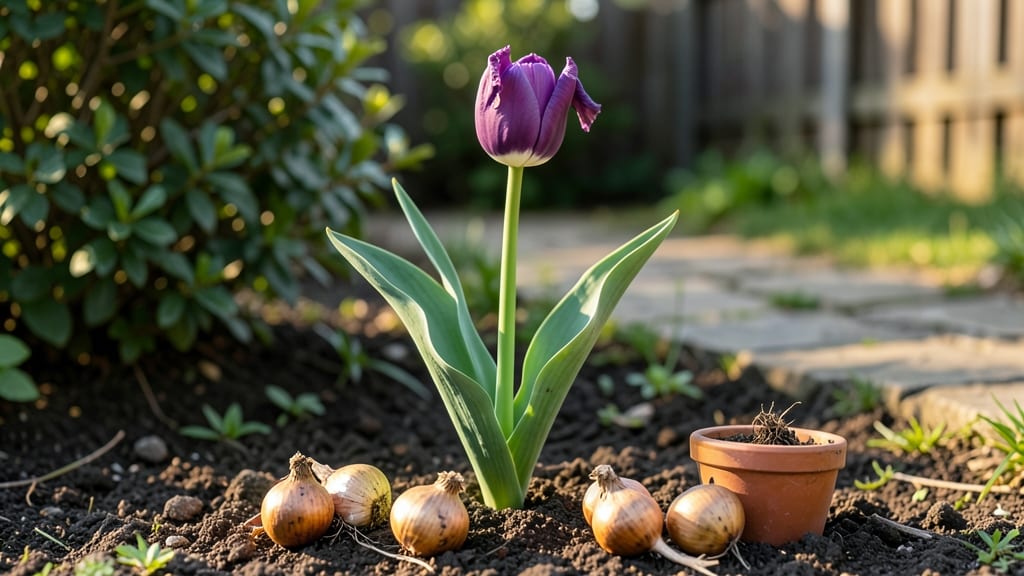
Replanting tulip bulbs after they bloom isn’t just possible—it’s the secret to bold, reliable blooms for years to come. 🌷 I’ve dug up, stored, and replanted dozens of bulbs, and the ones I’ve cared for now produce larger, showier flowers than the first year. The key?
Timing, storage, and a little patience—no fancy equipment needed. Most gardeners make one critical mistake: replanting too early or too late. After the foliage yellows and dies back naturally (usually 6-8 weeks after blooming), that’s your cue to dig.
Store them in a cool, dry place until fall, and you’ll have a second chance at stunning spring displays. The first year after replanting might be quieter, but by year two, your garden will thank you.
What you’ll end up with is a perennial tulip patch that multiplies over time, with bulbs producing 2-3 times more flowers than their first season. The colors stay vibrant, the stems stay strong, and you’ll avoid the heartbreak of bulbs fading after just one bloom cycle.
This method works for hybrid tulips, Darwin tulips, and even fragrant varieties—just avoid species tulips, which often decline after replanting. Let’s get those bulbs ready for next spring!
📚 In This Guide
- What you need
- Instructions
- Tips and common mistakes
- Wrapping up and next steps
What you need
- ● Tulip bulbs: Dig up healthy, firm bulbs (avoid soft or moldy ones). Aim for 10–20 bulbs per 10 sq. ft. of garden space.
- ● Garden trowel or bulb planter: A sturdy, sharp-edged tool (6–8" deep) for digging.
- ● Well-draining soil mix: Combine 50% garden soil + 50% compost or sand (tulips hate soggy roots!).
- ● Bone meal or bulb fertilizer (10-10-10): 1–2 tbsp per bulb to boost root growth.
- ○ Mulch (optional but helpful): Straw or shredded leaves (1–2" thick) to insulate bulbs in winter.
- ● Bulb fertilizer spikes: Slow-release granules for hassle-free nourishment.
- ● Garden hose or watering can: For gentle hydration (avoid overwatering!).
- ● Garden gloves: To keep hands clean while handling soil and bulbs.
- ● Plant labels: Mark varieties if you’re replanting a mix (trust us, you’ll forget!).
Step-by-Step guide to replanting tulip bulbs after they bloom
Here’s how to save your tulips for next year’s brilliant display—no experience needed.
🌱 Step 1: Wait Until Foliage Fully Dies Back
After tulips bloom, leave the foliage alone until it turns completely brown and crispy. This process takes about 6-8 weeks after flowering. The leaves are busy feeding the bulb for next year’s blooms, so cutting them back too soon starves the bulb. You’ll know it’s time when the stems feel dry and brittle to the touch.
Resist the urge to tidy up—even if the flowers look spent. The foliage must stay attached to replenish the bulb’s energy reserves. If you’re impatient, mark the spot with a stake so you don’t accidentally dig in the wrong place later.
✂️ Step 2: Dig Up Bulbs Carefully
Use a garden fork or trowel to gently loosen the soil around the bulbs. Tulips grow about 6-8 inches deep, so dig deep enough to avoid cutting into the bulb itself. Lift them out and brush off excess soil to inspect for damage or pests. Healthy bulbs should feel firm and plump, not shriveled or soft.
If you notice any mushy spots or signs of rot, discard those bulbs immediately. Healthy bulbs can be replanted right away or stored in a cool, dry place (like a mesh bag in the fridge) until fall planting. I like to keep them in a paper bag with holes punched in it—just enough airflow to prevent mold.
🪴 Step 3: Cure and Store Bulbs (If Needed)
If you’re replanting in the fall, you can skip this step. But if you’re storing bulbs for later, let them dry in a shady, well-ventilated spot for 1-2 weeks. This “curing” process helps them withstand storage. Avoid direct sunlight, which can dry them out too quickly.
Once dry, store bulbs in a cool place (around 40-50°F) with good airflow. A cardboard box or mesh bag works well. Check them occasionally to ensure no moisture or mold has developed. Bulbs stored properly can last 1-2 years, though replanting them sooner gives you the best results.
🌿 Step 4: Replant Bulbs in Well-Draining Soil
Choose a sunny spot with full sun to partial shade (at least 6 hours of sunlight daily). Tulips thrive in well-draining soil—amend heavy clay with compost or sand if needed. Plant bulbs 6-8 inches deep, with the pointed end facing up. Space them 4-6 inches apart to allow room for growth.
Water lightly after planting to settle the soil, but avoid overwatering. The bulbs need time to establish roots before winter. A layer of 2-3 inches of mulch (like straw or shredded leaves) helps insulate them and retain moisture. Mark the spot with labels if you’re unsure where you planted them.
⏰ Step 5: Fertilize and Mulch for Next Season
In early spring, before new shoots appear, apply a balanced fertilizer (like 10-10-10) around the planting area. This gives the bulbs a nutrient boost for next year’s blooms. Water lightly after fertilizing to help the nutrients soak into the soil.
Keep the area mulched to suppress weeds and retain moisture. Tulips are hardy and low-maintenance once established, but consistent care ensures they’ll return year after year. With patience, your bulbs will reward you with bold, vibrant blooms for seasons to come.
Tips & tricks for perfect tulip bulb revival
Between us, I’ve dug up tulip bulbs too early more times than I’d like to admit—always wondering why they never bloomed the next spring. Here’s what I’ve learned to make sure your tulips come back stronger than ever.
Patience is Key: The 6-8 week wait in Step 1 is non-negotiable. I used to get impatient and cut back foliage when it was still green, only to get sad, shriveled bulbs the next year. Think of those leaves like a plant’s savings account—they’re storing energy for next season’s blooms. If you’re worried about marking spots, use small garden flags or even colored pebbles to mark where you planted them.
Storage Wisdom: When storing bulbs in Step 3, I’ve found that a mesh produce bag in the fridge works perfectly—just don’t let them touch each other. The airflow prevents mold while keeping them cool. If you’re storing them for more than a year, check them every few months for any signs of rot or soft spots. Remember, the 40-50°F range is ideal, so avoid basements that might get colder or attics that get too warm.
Planting Precision: In Step 4, the 6-8 inch depth and 4-6 inch spacing are crucial. I’ve seen people plant too shallow, which can lead to flopping blooms, or too crowded, which causes competition for nutrients. Use a ruler to measure depth—it’s worth the extra minute to get it right. For the pointed end facing up, think of it like an egg: the sharp end goes up, the rounded bottom goes down. This orientation helps the bulb grow properly.
Fertilizer Timing: The early spring fertilization in Step 5 is your secret weapon. I’ve noticed the biggest difference when I fertilize right before shoots appear—it gives the bulbs that extra boost without overwhelming them. Use a slow-release fertilizer if possible, and always water lightly after applying to help the nutrients soak in. Too much fertilizer too early can actually harm the bulbs, so timing matters!
Pro Tips for Can You Replant Tulip Bulbs After They Bloom
- Between us, I’ve dug up tulip bulbs too early more times than I’d like to admit—always wondering why they never bloom...
- Patience is Key: The 6-8 week wait in Step 1 is non-negotiable. I used to get impatient and cut back foliage when it ...
- Storage Wisdom: When storing bulbs in Step 3, I’ve found that a mesh produce bag in the fridge works perfectly—just d...
Frequently asked questions
Do tulip bulbs die after blooming?
Not necessarily! With proper care, tulip bulbs can replanted and bloom again for years. However, their first bloom often signals the start of their natural lifecycle, where energy is redirected to bulb health. If left undisturbed, they may produce fewer flowers over time.
When is the best time to replant tulip bulbs after flowering?
The ideal window is 6–8 weeks after blooming (late spring to early summer). This gives bulbs time to regenerate nutrients before dormancy. Avoid replanting too early—the foliage must stay until it yellows naturally to ensure next year’s blooms!
What if my tulip bulbs don’t bloom the second year?
Don’t panic! Tulips often take 1–2 years to recover after replanting. Overcrowding, poor soil, or insufficient sunlight can delay blooms. Divide bulbs every 3–4 years to improve airflow and nutrients. Patience pays off!
Can I replant tulip bulbs in the same spot?
While possible, rotating locations every few years prevents disease and nutrient depletion. Tulips thrive in well-draining soil—amend heavy clay with compost or sand. If replanting in the same spot, enrich the soil with bone meal or bulb fertilizer for a boost.
What if my tulip bulbs rot after replanting?
Rot is often caused by overwatering or poor drainage. Ensure bulbs are planted in loose, sandy soil and water sparingly post-replanting. If rot appears, dig up affected bulbs, trim mushy areas, and replant in fresh soil. Avoid replanting until the bulbs dry slightly.
Are there tulip varieties that don’t need replanting?
Some perennializing tulips (like Tulipa clusiana or Tulipa greigii) are more resilient and may rebloom with minimal care. However, most hybrid tulips benefit from replanting. Check your variety’s hardiness—some naturalize better than others!
Wrapping up and next steps
Replanting tulip bulbs after they bloom isn’t just possible—it’s a simple way to unlock next season’s vibrant display! 🌱 With the right care, you’ll enjoy bold, healthy blooms year after year. The key is patience, proper timing, and a little TLC to keep those bulbs thriving.
Now that you’re armed with the know-how, give it a try! Start by marking your calendar for late summer—your future tulip garden is waiting. Happy gardening! 🌸