
Blooming
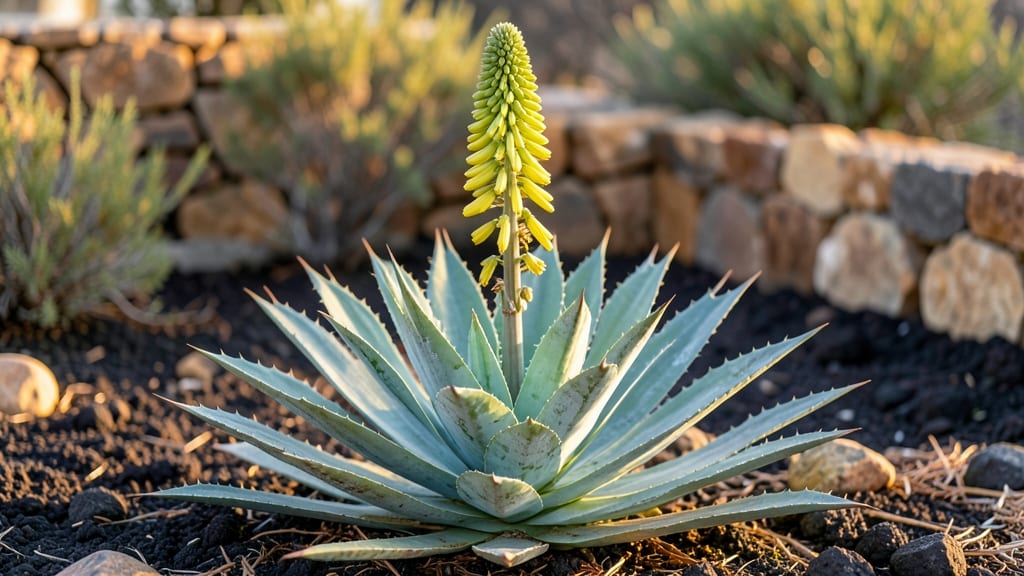
The blue agave's dramatic death bloom is nature's way of saying "one last hurrah." 🌵 I've watched mine send up that towering flower spike—only to wither away within months—leaving gardeners baffled about whether to mourn or celebrate.
The good news? This isn't a sign your plant failed; it's a spectacular (if heartbreaking) part of the agave's life cycle.
That towering bloom is the plant's final act—after flowering, the agave's energy is spent, and it dies. But before it goes, it produces pups (baby agaves) at its base, ready to take over.
The key is recognizing this process early so you can focus on saving those pups for your next generation of blue agaves.
Here's the game-changer: prune the dead bloom once it browns to redirect the plant's energy into those pups. Keep the soil moist but not soggy, and protect the base from pests—this is when your new plants are most vulnerable.
With the right care, you'll have 3-5 healthy pups ready to replant within a year.
Don't let the drama fool you—this is a natural, even beneficial process. The "death" of the mother plant is just the beginning of your agave collection's next chapter. Now, let's turn that heartbreak into harvest potential.
📚 In This Guide
- What you need
- Instructions
- Tips and common mistakes
- Wrapping up and next steps
What you need
- ● Blue agave plant – A mature specimen showing signs of a death bloom (a single, dramatic flower stalk).
- ● Pruning shears or sharp bypass pruners – Sterilized to prevent disease (rubbing alcohol wipe works!).
- ● Garden gloves – Thick, cut-resistant gloves (agave spines are no joke!).
- ● Horticultural oil or neem oil – 1–2 tablespoons (for treating cuts and preventing rot).
- ● Cactus/succulent soil mix – 1–2 gallons (well-draining is non-negotiable for agave recovery).
- ● Slow-release fertilizer – Balanced (e.g., 10-10-10), 1–2 tablespoons per plant.
- ● Container or tray – Large enough to hold soil and the agave’s root ball (if repotting).
- ● Watering can with a narrow spout – For precise, gentle watering (no drenching!).
- ○ Aluminum foil or plastic wrap – To cover the cut stem (optional but helpful for humidity during healing).
- ● Rooting hormone – To boost pup growth if you’re propagating offsets.
- ● Calcium sulfate (gypsum) – ½ cup mixed into soil to improve drainage.
- ● Shade cloth (30–50%) – For the first 1–2 weeks post-pruning (agave hates stress!).
- ● Spray bottle with water – For misting new growth (if humidity is low).
- ● Journal or camera – To track progress (because documenting plant victories is half the fun!).
How to revive a blue agave after its dramatic death bloom
This is the moment that matters: when your agave finally blooms, it’s also saying goodbye. Here’s how to save the mother plant and get pups ready for transplant.
🌱 Step 1: Identify the Bloom and Prepare for Removal
The death bloom is a stunning, towering flower spike that emerges after 10-20 years of growth. It’s a one-time event—the mother plant will die after flowering, but not before sending out pups (offspring) around its base. Wait until the bloom fully opens and begins to dry out before acting.
Use clean, sharp pruning shears to cut the flower stalk at its base, about ½ inch above the soil line. This prevents energy drain from the mother plant and redirects resources to the pups. Wear gloves—agave sap can irritate skin. Remove any dead or dying leaves while you’re at it; they won’t recover and will slow down the pups.
✂️ Step 2: Separate and Transplant the Pups
Once the mother plant’s bloom is removed, carefully dig around the base to expose the pups, which should be 6-12 inches tall with their own root systems. Gently lift them out, keeping as much soil attached as possible to avoid damaging delicate roots. You’ll typically get 3-6 pups per mature agave.
Transplant each pup into its own 6-inch pot filled with cactus/succulent mix (the one you have on hand). Plant them at the same depth they were growing in the mother plant’s soil. Water lightly immediately after transplanting—just enough to settle the soil around the roots. Place them in bright, indirect light for 1-2 weeks to reduce stress.
☀️ Step 3: Harden Off and Replant Pups Outdoors
After 2-3 weeks in pots, your pups are ready for outdoor life. Choose a spot with full sun (6+ hours daily) and well-draining soil. Agave hates soggy roots, so amend heavy soil with coarse sand or gravel if needed. Dig holes twice as wide as the pup’s root ball but only as deep as the plant was growing in its pot.
Water deeply once after transplanting, then let the soil dry out completely before watering again. This mimics their natural desert conditions and prevents rot. Avoid fertilizing for the first 3 months—pups need time to establish roots before taking up extra nutrients. You’ll see new growth in 4-6 weeks, signaling they’ve settled in.
💧 Step 4: Care for the Mother Plant’s Remains (Optional)
If you’re sentimental, you can leave the mother plant’s dried-out core in the ground as a focal point—it adds texture to the garden and may even produce seeds (though they’re tricky to germinate). If you prefer to remove it entirely, dig it out and compost it. The pups are now your priority, and they’ll thrive with minimal care once established.
Here’s the thing—agave pups are drought-tolerant once mature. Water every 2-3 weeks in summer, monthly in winter, and you’ll have a low-maintenance, architectural centerpiece for years. Just watch for yellowing leaves—that’s the first sign of overwatering, and agave won’t forgive it.
Tips & tricks for blue agave death bloom recovery
Here's what nobody tells you about reviving agave pups after the dramatic bloom—these tricks will save you from common pitfalls.
Timing is Everything: Wait until the death bloom is fully open and starting to dry out before cutting it. This ensures the mother plant has fully transferred its energy to the pups. I learned this the hard way after removing blooms too early and seeing weaker pups emerge. The drying bloom signals the plant's energy has shifted completely to the offspring.
Gentle Handling Matters: When lifting pups from the soil, focus on preserving their root systems. Use a small trowel to loosen soil around the base before gently lifting—never pull by the leaves. I've seen pups struggle for months after rough handling, so take your time here. The goal is to keep as much soil intact as possible to minimize shock.
Light Transition Strategy: That 1-2 week period in bright, indirect light is critical for acclimating pups. I've found placing them near an east-facing window works perfectly, giving them gradual sun exposure. Too much direct light too soon can scorch tender new leaves, while too little light slows their recovery.
Watering Wisdom: The single biggest mistake I see is overwatering new pups. After transplanting, water just enough to settle the soil, then let it dry completely before watering again. Agave roots rot quickly in soggy conditions, and once that happens, there's no coming back. Think desert conditions—dry spells are what these plants thrive in.
Pro Tips for Blue Agave Death Bloom
- Here's what nobody tells you about reviving agave pups after the dramatic bloom—these tricks will save you from commo...
- Timing is Everything: Wait until the death bloom is fully open and starting to dry out before cutting it. This ensure...
- Gentle Handling Matters: When lifting pups from the soil, focus on preserving their root systems. Use a small trowel ...
Frequently asked questions
about the blue agave death bloom—because even the toughest plants need a little TLC! Here’s what you’ve been wondering:What exactly is a "death bloom" in blue agave?
A death bloom is the final, dramatic flowering stage of a blue agave (like Agave tequilana or Agave americana). After blooming, the plant dies—but not before sending up a tall, showy stalk (often 6–12 feet!). It’s a one-time event, usually after 10–20 years of growth. Think of it as nature’s way of saying, “Thanks for the tequila!”
How long does it take for a blue agave to bloom after planting?
Patience is key! Most blue agaves bloom between 10–20 years after planting, depending on the variety and growing conditions. Some tropical hybrids may bloom faster (5–10 years), but don’t rush it—rushing the process (like forcing blooms) can harm the plant. If yours is over 10 years old and hasn’t bloomed yet, check for optimal sunlight (full sun!) and well-draining soil.
Does the whole plant die after blooming?
Yes—but there’s good news! The mother plant dies after flowering, but it often produces pups (offsets) at its base. These pups are genetically identical and can be transplanted to grow new agaves. Just wait until the mother plant fully collapses (usually 1–2 months post-bloom) before digging up the pups. Pro tip: Mark the pups’ location with a stake to avoid accidentally uprooting them!
Can I stop my blue agave from blooming?
While you can’t permanently prevent blooming, you can delay it by:
- Pruning flower stalks early: If you spot a bud forming, snip it off at the base (wear gloves—agave sap can irritate skin!). This won’t stop all blooms but may buy you a few more years.
- Avoiding stress: Overwatering, poor drainage, or extreme temperature swings can trigger premature blooming. Keep conditions stable!
- Choosing non-blooming varieties: Some agaves (like Agave ‘Blue Glow’) are sterile and won’t produce flower stalks.
Warning: Forcing a bloom too early can weaken the plant. If you’re growing agave for tequila or syrup, let it mature naturally for the best yield!
What can I do with the dead agave after it blooms?
Don’t toss it! Here’s how to repurpose it:
| Option | How-To |
|---|---|
| Harvest pups | Wait until the mother plant is fully dead, then dig up and transplant the pups. They’ll grow into new agaves! |
| Compost the leaves | Cut the leaves into chunks and compost them (they break down slowly but add potassium-rich nutrients). |
| DIY art or decor | Use the dried leaves for woven baskets, wall hangings, or even terrariums. The fibrous texture makes it great for crafts! |
| Firewood (if legal) | Agave leaves are highly flammable and burn hot—check local regulations before using them as kindling. |
Fun fact: The dried flower stalk can also be used as a natural trellis for climbing plants like jasmine!
Wrapping up and next steps
Witnessing your blue agave’s death bloom—that stunning, towering spike—is a rare and magical moment in gardening. 🌵✨ While it signals the plant’s natural lifecycle, knowing how to care for it afterward ensures your agave thrives for years to come.
With the right tools, patience, and a little elbow grease, you can prune, propagate, and revive your agave like a pro.
Ready to take action? Start small: Pick one agave to practice on, gather your supplies, and follow the steps with confidence. Every gardener begins somewhere—your blue agave’s next chapter is waiting! 🌱💪