
Pruning
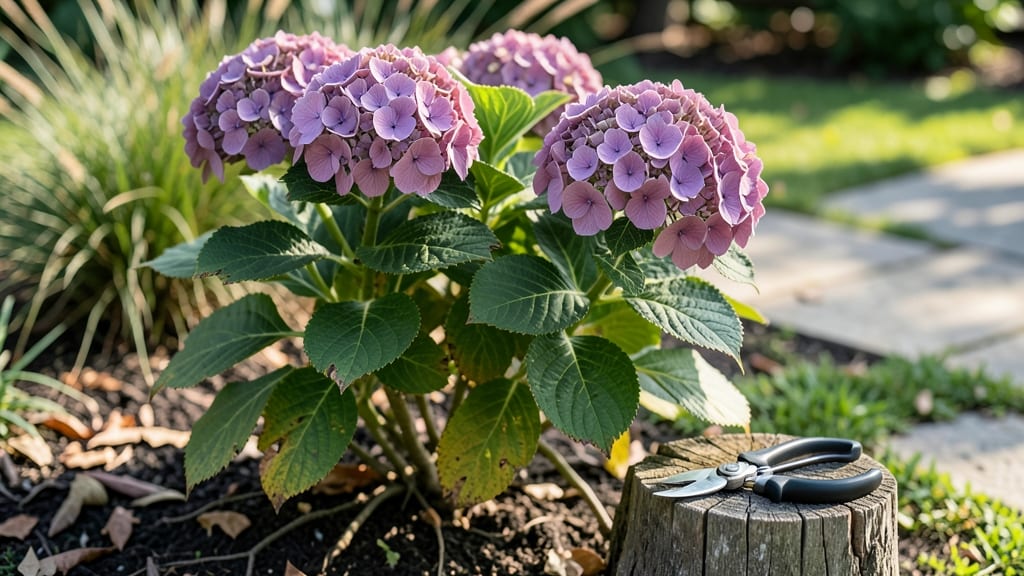
Strategic pruning turns Bloomstruck hydrangeas into nonstop bloomers. ✂️ I used to panic every winter when my bushes looked bare—until I discovered the simple timing and cuts that keep them flowering from spring to frost.
The secret isn't aggressive trimming, but understanding when to shape and when to leave them be. These hydrangeas bloom on new wood, meaning last year's growth produces this year's flowers. You'll see dramatic results by pruning right after the first hard frost, when the plant is dormant.
Grab your loppers and gloves, and we'll shape them into lush, bushy plants that outperform any store-bought bouquet. By late spring, you'll have bold, vibrant blooms that last all summer. The key is patience—wait until after the first flush of flowers fades before doing any summer pruning.
This keeps the plant focused on producing more blooms instead of trying to recover from cuts. Works for both container and in-ground plants, and adapts to any yard size. Here's how to get started without the guesswork!
📚 In This Guide
- What you need
- Instructions
- Tips and common mistakes
- Wrapping up and next steps
What you need
- ● Pruning shears or secateurs – Sharp, bypass-style shears (for clean cuts). Quantity: 1 pair (or 2 if pruning large bushes).
- ● Loppers – For thicker stems (½"–1.5" diameter). Quantity: 1 pair.
- ● Hand pruners – For small branches or deadheading. Quantity: 1 pair.
- ● Garden gloves – Cut-resistant, durable gloves (to protect hands from thorns and sharp tools). Quantity: 1 pair.
- ● Disinfectant (rubbing alcohol or bleach solution) – To sterilize tools between cuts (1:10 bleach-water ratio).
- ○ Garden twine or ties – For supporting heavy blooms post-pruning (optional but helpful).
- ● Trash bag or bucket – For collecting pruned branches.
- ○ Pruning sealant (optional but recommended) – For large cuts (½" or wider) to prevent disease.
- ● Extension pole pruners – For high-reaching branches (if your bush is tall!).
- ● Garden hose or spray bottle – To rinse tools and clean cuts.
- ● Notebook & pen – To sketch your bush’s shape or track growth patterns.
- ● Knee pads or stool – For comfort during long pruning sessions.
How to prune Bloomstruck hydrangeas for year-round color
Here's my foolproof approach to keep your hydrangeas blooming beautifully all season long.
✂️ Step 1: Identify Bloomstruck Hydrangea Type and Timing
Bloomstruck hydrangeas produce flowers on both old and new wood, so timing matters. First, confirm your variety—most are 'Endless Summer' hybrids. Prune right after the first flush of blooms fades in late spring or early summer (around June). This ensures you don't accidentally remove next year's flower buds hidden on last year's stems.
Look for spent blooms that have turned brown or papery—these are your cue to act. If you prune too early, you risk cutting off next year's flowers. If you wait too late, you'll miss the best time to encourage fresh growth. I like to mark my calendar right after Memorial Day weekend to stay on track.
✂️ Step 2: Gather Tools and Prepare the Plant
You'll need sharp, clean pruning shears (sterilized with rubbing alcohol) and a small bucket for clippings. Start by removing any dead, diseased, or crossing branches first—these compete with healthy growth. Cut back to a strong outward-facing bud or lateral branch to encourage an open, airy shape.
Step back and examine the plant's structure. Bloomstruck hydrangeas thrive with good airflow, so avoid overcrowding. If you notice leggy stems, these are your signal to cut back by about one-third to promote bushier growth. Water the plant thoroughly the day before pruning—hydrated stems are easier to cut cleanly.
✂️ Step 3: Strategic Pruning for Continuous Blooms
Now focus on the main stems. Cut back each branch to just above a set of 5-7 leaves (about 6-12 inches from the base). This encourages new growth that will produce more flowers. Avoid cutting into old wood—look for green stems with leaf buds, not woody stems without leaves.
Here's the thing—Bloomstruck hydrangeas are forgiving, but precision matters. If you cut too close to the ground, you risk removing next year's flower buds. If you leave too much, you'll get fewer blooms. I like to make my cuts at a slight angle to prevent water from pooling and rotting the stem.
🌿 Step 4: Post-Pruning Care for Vibrant Growth
After pruning, give your hydrangea a balanced, water-soluble fertilizer to support new growth. I use a 10-10-10 formula diluted to half strength, applied every 2-3 weeks during the growing season. Mulch around the base with 2-3 inches of organic mulch to retain moisture and regulate soil temperature.
Watch for new shoots emerging within 3-4 weeks. These will develop into next year's blooms, so protect them from harsh weather. If you notice any yellowing leaves or stunted growth, it might be a sign of over- or under-pruning. Adjust next year's cuts accordingly—hydrangeas are great at telling you what they need.
☀️ Step 5: Year-Round Maintenance for Consistent Color
To keep your Bloomstruck hydrangea blooming all season, deadhead faded flowers regularly. Pinch off spent blooms just above a set of leaves to encourage more flowers. In late summer or early fall, give the plant a light trim to shape it for winter. Avoid heavy pruning now—you want to preserve next year's flower buds.
In winter, protect young plants from frost by wrapping them in burlap or covering with mulch. Mature plants usually handle cold well, but a little extra care ensures they bounce back strong in spring. I always prune again in early spring to remove any winter damage and shape the plant for the new growing season.
Tips & tricks for perfect Bloomstruck hydrangea pruning
These simple tricks will help you avoid common mistakes and keep your hydrangeas thriving all season.
Timing is Everything: The June pruning window is critical because Bloomstruck hydrangeas produce flowers on both old and new wood. I've learned the hard way—pruning too early removes next year's flower buds, while waiting too late misses the optimal growth period. Set a reminder for right after Memorial Day weekend to stay on schedule. The key visual cue is brown, papery blooms that have faded completely.
Tool Prep Matters: Sterilizing your pruning shears with rubbing alcohol between cuts prevents spreading disease from any infected branches. I also recommend sharpening them first—dull blades crush stems instead of making clean cuts, which stresses the plant. For extra precision, use a small bucket to collect clippings as you work, keeping your workspace tidy and organized.
Cutting Technique: When pruning the main stems in Step 3, aim for just above a set of 5-7 leaves (about 6-12 inches from the base). This encourages strong new growth while preserving next year's flower buds. Make your cuts at a slight angle to prevent water from pooling—this simple technique reduces the risk of stem rot. Always look for green stems with leaf buds rather than woody stems without leaves.
Post-Pruning Care: After pruning, don't forget the fertilizer and mulch steps! I use a 10-10-10 formula diluted to half strength every 2-3 weeks, which gives the plant just the right boost without overdoing it. The 2-3 inches of organic mulch helps regulate soil temperature and retain moisture—think of it as a cozy blanket for your hydrangea's roots. Watch for new shoots within 3-4 weeks as a sign your pruning was successful.
Pro Tips for Bloomstruck Hydrangea Pruning
- These simple tricks will help you avoid common mistakes and keep your hydrangeas thriving all season.
- Timing is Everything: The June pruning window is critical because Bloomstruck hydrangeas produce flowers on both old and new wood.
- Tool Prep Matters: Sterilizing your pruning shears with rubbing alcohol between cuts prevents spreading disease from any infected branches.
Frequently asked questions
When is the best time to prune Bloomstruck hydrangeas?
The ideal window is late winter or early spring (February–March), before new growth starts. This ensures you don’t cut off next year’s blooms. Avoid pruning in fall—it can stimulate tender growth that won’t survive winter. Pro tip: If you missed the window, prune in early summer (after blooming) but expect fewer flowers that season.
How much can I cut back Bloomstruck hydrangeas?
For Bloomstruck (a Hydrangea macrophylla variety), aim to remove 1/3 of the oldest stems each year. Never cut more than 1/3 of the plant’s total stems—this keeps the shrub healthy and blooming. Look for dead, diseased, or weak stems first; prune those aggressively. Warning: Over-pruning can stress the plant and reduce flowering.
Why aren’t my Bloomstruck hydrangeas blooming after pruning?
If your hydrangeas are skipping blooms, it’s often due to pruning at the wrong time (e.g., cutting back in fall or winter) or over-pruning. Bloomstruck flowers on old wood, so avoid heavy cuts in late summer/fall. Also check for underwatering, poor soil, or pests—hydrangeas need consistent moisture and slightly acidic soil (pH 5.5–6.2) to thrive.
Can I shape Bloomstruck hydrangeas like topiary or hedges?
Yes! Bloomstruck hydrangeas are highly adaptable to shaping, but time your cuts carefully. For topiary, prune in late winter to define the structure, then do light maintenance trims in summer to encourage bushiness. Avoid heavy shearing after mid-July—this can remove next year’s flower buds. Use sharp, clean tools for clean cuts.
What should I do if my Bloomstruck hydrangeas get frost damage?
If frost blackens or wilts stems, don’t panic—Bloomstruck hydrangeas are hardy to USDA Zone 5 and often bounce back. Wait until spring to prune damaged stems; cutting too early can expose the plant to cold or pests. In the meantime, mulch the base with 2–3 inches of organic mulch (like shredded bark) to insulate roots. Water deeply before winter to help toughen the plant.
Wrapping up and next steps
Pruning Bloomstruck hydrangeas might seem tricky at first, but with the right timing and technique, you’ll unlock stunning, year-round blooms! Remember: late winter or early spring is your best bet for old wood bloomers, while summer pruning keeps new growth in check.
With sharp tools, patience, and a little love, your hydrangeas will reward you with vibrant, healthy flowers—season after season.
Ready to transform your garden? Grab your pruners, mark your calendar, and give those hydrangeas the care they deserve! Start small, observe their growth, and soon, you’ll be the envy of the neighborhood with your bloomstruck masterpiece.