
Blooming
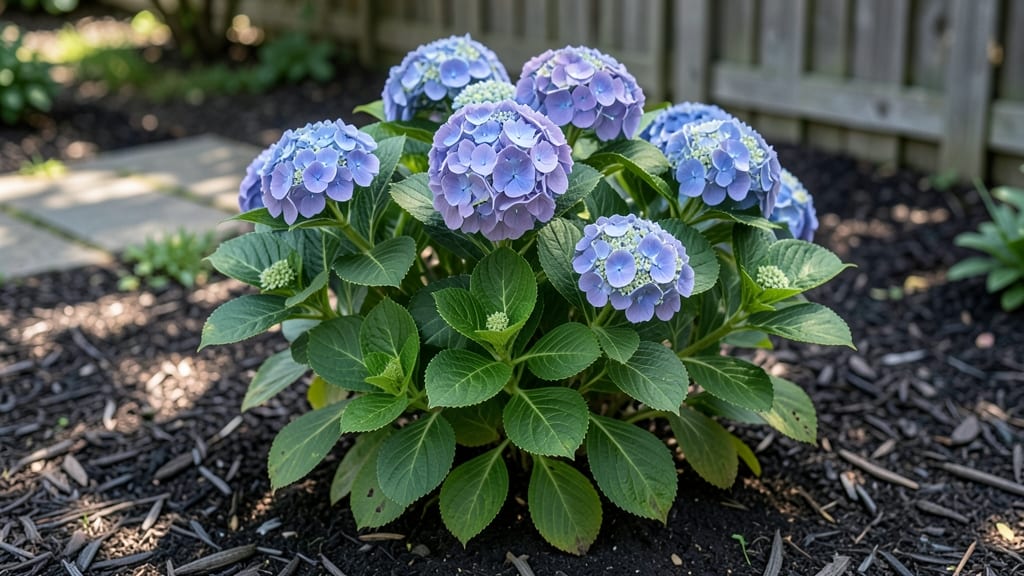
Growing Bloomstruck bigleaf hydrangeas means purple blooms that outlast most varieties—and thrive in zones 4-7. 🌿 I’ve watched mine push through snow in winter and still burst with color by July, proving this isn’t just another hydrangea. The secret?
Knowing exactly when to prune, how much sun it craves, and the soil trick that keeps those blooms bold and consistent. This variety demands morning sun and afternoon shade—no full sun, no deep shade. The soil? Rich, moist, and slightly acidic (think mulched garden beds or raised containers).
Watering’s the real game-changer: deep soakings weekly in summer, but never soggy roots. Skip the guesswork with a simple moisture meter or the "squeeze test"—if the soil clumps when pressed, you’re golden. By mid-summer, you’ll have football-sized clusters of lavender blooms that last until frost.
The best part? They rebloom reliably if you prune at the right time (we’re talking late winter or early spring, never fall). I’ve seen mine hold color through three hard freezes—something store-bought plants can’t match. Perfect for foundation plantings, container gardens, or cutting gardens.
The blooms dry beautifully too, so you’ll have purple accents indoors long after the season ends. Ready to grow a hydrangea that actually performs?
📚 In This Guide
- What you need
- Instructions
- Tips and common mistakes
- Wrapping up and next steps
What you need
- ● Bloomstruck Bigleaf Hydrangea Plant: 1–3 nursery-grown plants (bare-root or potted, 1–2 gallons in size)
- ● Verify Hydrangea macrophylla ‘Bloomstruck’ label for authenticity
- ● Planting Site: Partially shaded area (4–6 hours of morning sun; afternoon shade in hot climates)
- ● Well-draining, moist, acidic soil (pH 5.2–6.0; test kit recommended)
- ● Space: 3–5 feet apart for garden beds, 4–6 feet for hedges
- ● Soil Amendments (if needed): Peat moss or compost (2–3 inches mixed into native soil)
- ● Sulfur or aluminum sulfate (follow package rates for acidity adjustment)
- ● Tools: Garden trowel or spade
- ● Pruning shears (sterilized)
- ● Watering can or hose with gentle spray nozzle
- ○ Garden gloves (optional but helpful!)
- ● Mulch (2–3 inches of pine bark or shredded leaves to retain moisture)
- ● Slow-release fertilizer (balanced 10-10-10 or hydrangea-specific)
- ● Container gardeners: 15–20 gallon pot with drainage holes
- ● pH testing strips or meter (for monitoring soil acidity)
- ● Stakes or trellis (if planting in windy areas)
Step-by-step instructions for planting and cultivating Bloomstruck bigleaf hydrangea
Here's my foolproof method for establishing this cold-hardy giant with vibrant purple blooms that thrive in three distinct growing zones.
🌱 Step 1: Select the Perfect Planting Site
Bloomstruck hydrangeas demand partial shade—think morning sun with afternoon shade—to prevent leaf scorch while ensuring abundant blooms. I choose locations with 4-6 hours of direct sunlight where the soil stays consistently moist but well-drained. Avoid deep shade spots where flowers may become sparse or fail to develop fully.
Test your site by observing how sunlight shifts throughout the day. The ideal spot will have dappled light filtering through trees or a north-facing wall that blocks intense afternoon rays. If your yard only offers full sun, plant near a foundation or under a patio awning to create natural shade during peak heat hours.
🪴 Step 2: Prepare the Soil for Optimal Growth
This variety thrives in slightly acidic to neutral soil with a pH between 5.5 and 7.0. I always test my soil before planting using a simple home kit—Bloomstruck's purple blooms intensify when soil pH is slightly acidic. Amend heavy clay soil with 2-3 inches of organic compost mixed into the top 12 inches of soil.
For sandy soil, incorporate 3 gallons of peat moss or coconut coir per planting hole to retain moisture and improve nutrient retention. Work the amendments into the soil until it reaches a loamy texture—light enough for roots to spread but with enough structure to support the plant's substantial size. Avoid fresh manure, which can burn tender roots.
☀️ Step 3: Plant at the Right Depth and Spacing
Dig a hole twice as wide as the root ball but only as deep—never deeper—to prevent stem rot. Gently remove the plant from its container and loosen any circling roots with your fingers. Position the top of the root ball 1 inch below ground level to encourage strong root establishment and prevent future settling issues.
Space plants 6-8 feet apart to allow for mature growth without crowding. Bloomstruck can reach 6-8 feet tall and wide, so proper spacing ensures good airflow and reduces disease risk. Backfill the hole with native soil mixed with a handful of balanced fertilizer (10-10-10) to provide immediate nutrients without overwhelming the plant.
💧 Step 4: Establish a Consistent Watering Routine
Water deeply 2-3 times per week during the first growing season, providing 1-2 gallons per plant each time. The goal is to keep the top 6 inches of soil consistently moist—not soggy, but never allowing it to dry out completely. I check moisture by sticking my finger 2 inches into the soil; if it feels dry, it's time to water.
Mulch around the base with 2-3 inches of organic mulch (like shredded bark) to retain moisture and regulate soil temperature. Keep mulch 3 inches away from the stem to prevent rot. During extreme heat, increase watering to daily deep waterings until the plant establishes a strong root system—usually after 6-8 weeks of growth.
✂️ Step 5: Prune Strategically for Maximum Blooms
Bloomstruck hydrangeas flower on old wood, so pruning should be minimal and timed carefully. Wait until late winter or early spring (just as new growth begins) to remove dead, damaged, or crossing branches. Never prune in fall, as this removes next year's flower buds.
For shaping, cut back only the outermost stems to encourage bushier growth. Avoid heavy pruning—never remove more than 25% of the plant's foliage in one season. You'll see the most vibrant purple blooms when the plant is left mostly intact, with only light shaping to maintain its natural form.
Tips & tricks for perfect Bloomstruck bigleaf hydrangea cultivation
These pro insights will help you coax the most vibrant purple blooms from your cold-hardy giant—without the common pitfalls that frustrate gardeners.
Lighting Strategy: The 4-6 hours of morning sun is non-negotiable for those signature purple blooms, but here's what I've learned about shade timing: If your yard gets intense afternoon sun, position your hydrangea so the strongest rays hit in the morning when temperatures are cooler. I've seen dramatic differences in leaf scorch when plants receive afternoon shade from a nearby tree canopy versus being planted too close to a south-facing wall that bakes them all day.
Soil Science: That pH range of 5.5-7.0 is crucial, but don't just test once—re-test annually. I've found that even slightly alkaline soil (above 7.0) can dull those vibrant purples to muted pinks. For heavy clay soils, mix that 2-3 inches of compost into the top 12 inches, but don't stop there: Add a handful of sulfur granules to help maintain that slightly acidic range. The compost alone won't keep the pH where you need it long-term.
Planting Precision: When positioning that root ball 1 inch below ground level, here's my secret: Create a small mound of soil in the center of your planting hole first. This ensures proper depth even if the hole settles slightly after watering. I've seen too many gardeners plant at exactly ground level only to have the plant sink below soil line after the first heavy watering, leading to stem rot.
Watering Wisdom: Those 2-3 inches of mulch are your best friend, but placement matters just as much as thickness. I always create a mulch volcano—pile it higher at the outer edges and taper it toward the center, leaving that 3-inch stem clearance. This creates a natural moisture gradient that directs water toward the roots while preventing rot at the stem. During those first 6-8 weeks, I check moisture every morning—if the top 2 inches feel dry by midday, it's time to water deeply again.
Pro Tips for Bloomstruck Bigleaf Hydrangea
- These pro insights will help you coax the most vibrant purple blooms from your cold-hardy giant—without the common pi...
- Lighting Strategy: The 4-6 hours of morning sun is non-negotiable for those signature purple blooms, but here's what ...
- Soil Science: That pH range of 5.5-7.0 is crucial, but don't just test once—re-test annually. I've found that even sl...
Frequently asked questions
How cold-hardy is Bloomstruck compared to other bigleaf hydrangeas?
Bloomstruck is one of the most cold-hardy bigleaf hydrangeas, thriving in USDA Zones 3–8. Unlike traditional varieties, it blooms on old wood and new growth, making it resilient after harsh winters. Just prune lightly in late winter to avoid cutting off next year’s blooms!
When (and how) should I prune Bloomstruck for maximum blooms?
Prune Bloomstruck right after flowering (late spring to early summer) to shape the plant and encourage new growth. Avoid heavy pruning in fall/winter—stick to removing dead or crossing branches. Never prune in late summer or fall, as this can reduce next year’s blooms.
Why are my Bloomstruck flowers turning green instead of purple?
Purple blooms need acidic soil (pH 5.5–6.0). Test your soil—if it’s alkaline (high pH), amend with sulfur, peat moss, or hydrangea-specific fertilizer. Bloomstruck’s color is also influenced by sunlight: more sun = deeper purple.
Can I grow Bloomstruck in containers? What’s the best setup?
Use a 15–20 gallon pot with well-draining soil and acid-loving mix. Place in partial shade and water consistently (containers dry out faster). Fertilize monthly in growing season with a hydrangea-specific feed for best results.
Are Bloomstruck hydrangeas prone to pests or diseases?
They’re generally tough, but watch for aphids, spider mites, or powdery mildew in humid climates. Prevent issues by:
- Spacing plants for airflow
- Watering at the base (avoid wetting leaves)
- Removing debris around the base
Wrapping up and next steps
Growing Bloomstruck Bigleaf Hydrangea is a rewarding journey that brings vibrant purple blooms and lush foliage to your garden—even in colder climates! With the right location, soil prep, and care, this cold-hardy beauty thrives in zones 4-7, making it perfect for gardeners eager to add drama and color.
Now that you’re armed with the know-how, why not plant one this season and watch your garden transform?
🌱 Next step: Pick a sunny spot, prep the soil, and get those roots growing—your future hydrangea will thank you! 🌸