
Blooming
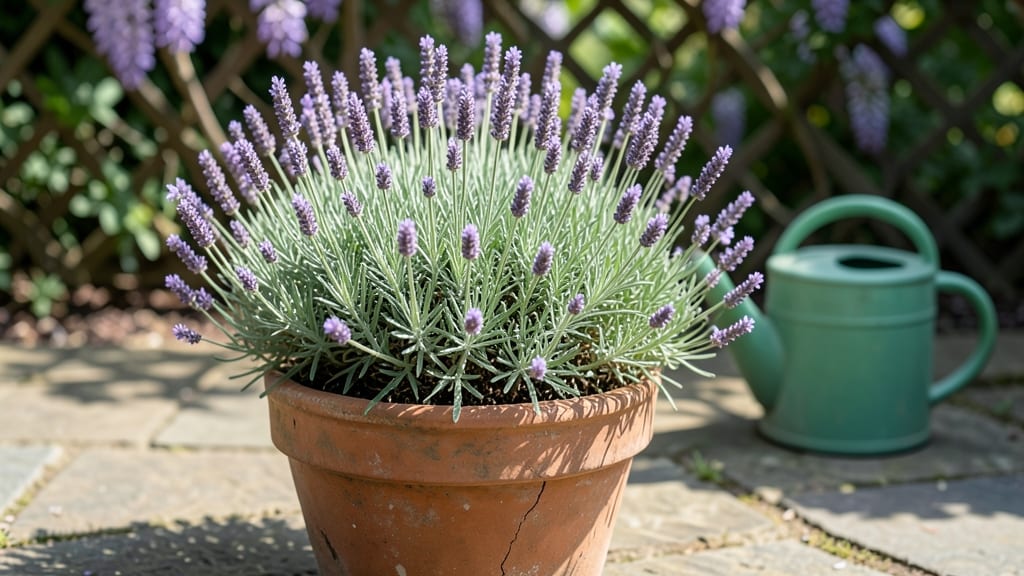
The blooming purple flowers in your garden will turn it into a dreamy, high-impact space that thrives on minimal care—just the right placement and a little seasonal planning.
I’ve designed my own purple-dominated garden to bloom from early spring through late fall, using a mix of heights, textures, and complementary colors that make the space feel intentional.
The secret lies in layering plants with staggered bloom times: start with early lavender and salvia, then introduce coneflowers and black-eyed Susans for midseason color, and finish with Russian sage and purple asters for late-season flair.
Pair these with silvery foliage like lamb’s ear or artemisia to create contrast that makes the purples pop even more. My front border now gets more compliments than my entire yard did before.
You’ll end up with a garden that feels lush and effortlessly polished, where every season offers something new. The key is grouping purples in odd-numbered clusters (3, 5, or 7 plants) to create natural focal points, whether in borders, containers, or as standalone specimens.
Even in dry spells, these perennials keep their color and structure—no wilting, no fuss. Works for sunny spots, partial shade, and even containers on patios. Let’s make your garden the neighborhood’s most talked-about purple paradise.
📚 In This Guide
- What you need
- Instructions
- Tips and common mistakes
- Wrapping up and next steps
What you need
- ● Seeds or Bare-Root Plants: 10–20 Lavender (e.g., Lavandula angustifolia) or Russian Sage (Perovskia atriplicifolia) plants/seeds
- ● 5–10 Catmint (Nepeta) or Salvia (Salvia nemorosa) plants/seeds
- ● Well-Draining Soil: 50 lbs garden soil (amended with compost for fertility)
- ● 20 lbs perlite or coarse sand (for drainage, critical for drought tolerance!)
- ● Containers or Garden Space: 6–12" deep pots (if container-growing) with drainage holes
- ● Full-sun location (6+ hours/day) in your yard
- ● Watering Supplies: Watering can or hose with soaker nozzle (for deep watering)
- ○ Drip irrigation kit (optional but highly recommended for drought-prone areas)
- ● Fertilizer: Balanced slow-release fertilizer (10-10-10 or organic options like fish emulsion)
- ○ 1 tbsp bone meal (optional, for phosphorus boost at planting)
- ● Mulch (2–3" layer of gravel or organic mulch to retain moisture)
- ● Pruning shears (for shaping and deadheading)
- ● Plant labels (to track varieties and care needs)
- ● Companion plants like yarrow or sedum (for pollinator-friendly pairings!)
How to create a stunning purple flower display with drought-tolerant perennials
Here's the foolproof approach I use to design vibrant, low-maintenance purple flower beds that thrive through heatwaves.
Select the Right Purple Perennials for Your Climate
Choose four drought-tolerant purple perennials that complement your hardiness zone. My go-to selections are Russian sage (Perovskia atriplicifolia), purple coneflower (Echinacea purpurea), catmint (Nepeta), and beard tongue (Penstemon). These varieties offer diverse shapes, bloom times, and heights—Russian sage reaches 3-4 feet with airy spikes, while catmint stays compact at 12-18 inches and spreads beautifully.
Check your USDA hardiness zone—most of these thrive in zones 4-9, with Russian sage extending to zone 3. For southern climates, add salvia (Salvia nemorosa) for heat tolerance. I always plant three plants of each type to ensure continuous color from early summer through fall.
Prepare the Soil for Optimal Drainage
Amend your native soil with 2-3 inches of compost and 1 part perlite mixed into the top 12 inches of soil. Purple perennials despise soggy roots, so if your soil is heavy clay, add sand or gravel to improve drainage. I test drainage by digging a 6-inch deep hole, filling it with water, and checking if it drains within 30 minutes—if not, mix in more sand.
For container plantings, use a well-draining potting mix with 20% perlite or pumice. Place a 2-inch layer of gravel at the bottom of pots to prevent root rot. The key is never letting water pool—these plants will wilt dramatically if overwatered, but recover quickly once soil dries.
Plant at the Correct Depth and Spacing
Dig holes twice as wide as the root ball but only as deep as the container's base. Gently remove plants from pots and loosen roots if they're circling. Place each plant so the top of the root ball sits level with the surrounding soil—burying too deep suffocates stems, while planting too high leaves roots exposed.
Space plants according to their mature size: 24-36 inches apart for Russian sage, 18-24 inches for coneflower, 12-18 inches for catmint, and 12-15 inches for penstemon. I arrange them in odd-numbered groups (3, 5, or 7 plants) for natural, full-looking clusters. Water deeply immediately after planting to eliminate air pockets.
Water Deeply and Establish a Drought-Resistant Routine
Water newly planted perennials once every 3-5 days for the first two weeks, providing 1 inch of water per session. After establishment, reduce to once every 7-10 days unless your area experiences 90°F+ temperatures, then extend to every 10-14 days. The goal is to encourage deep root growth—shallow watering creates weak, thirsty plants.
Check soil moisture by digging 2 inches deep—if it feels dry, water; if damp, wait. I use drip irrigation on a timer for containers to deliver ½ inch of water twice weekly during peak summer. Mulch with 2-3 inches of shredded bark to retain moisture and suppress weeds, but keep mulch 3 inches away from stems to prevent rot.
Prune for Continuous Blooms and Season-Long Color
Deadhead spent blooms weekly by snipping stems back to the nearest set of healthy leaves. This encourages reblooming and prevents seed formation, which diverts energy from flowers. For Russian sage, cut back one-third of the oldest stems in early spring to promote fresh growth. Coneflowers and penstemon benefit from light trimming after their first flush to trigger a second bloom cycle in late summer.
In late fall, cut back all stems to 2-3 inches above the ground. This prevents flopping and removes hiding spots for pests. I always leave a few seed heads for winter interest and to attract birds. Divide clumps of catmint and coneflower every 3-4 years in early spring to maintain vigor—simply dig up the plant, separate the roots, and replant sections 12 inches apart.
Tips & tricks for perfect purple perennial plantings
Your purple flower display thrives on the right balance of science and intuition—here's how to elevate it from good to showstopping.
Climate Matching: Before purchasing plants, verify their hardiness zones against your local climate. Russian sage's ability to endure zone 3 makes it my go-to for northern gardens, while salvia's heat tolerance (mentioned for southern climates) ensures vibrant blooms in extreme heat. I always cross-reference with the USDA Plant Hardiness Zone Map—this single check prevents costly mistakes with delicate perennials.
Soil Test Hack: The 30-minute drainage test in Step 2 reveals everything about your soil's suitability. If water drains too quickly, add compost to retain moisture; if it pools, mix in sand or gravel. For containers, I swear by the "finger test"—after watering, stick your finger 2 inches deep. If it feels damp after 24 hours, your mix is perfect; if bone-dry, increase perlite to 30%.
Plant Group Psychology: Odd-numbered clusters (3, 5, or 7 plants) create visual harmony that even-numbered groupings lack. For maximum impact, arrange your tallest plants (Russian sage) at the back, medium-height coneflowers in the middle, and low-spreading catmint at the front. This tiered approach mimics natural landscapes and prevents overcrowding as plants mature.
Pruning Precision: When deadheading weekly, use clean pruners and cut at a 45-degree angle just above a leaf node. This angled cut prevents water from pooling on the stem, reducing disease risk. For Russian sage's spring pruning, I mark the oldest stems by their thinner, less vibrant growth—removing these stimulates fresh, vigorous shoots from the base.
Pro Tips for Blooming Purple Flowers
- Your purple flower display thrives on the right balance of science and intuition—here's how to elevate it from good to showstopping.
- Climate Matching: Before purchasing plants, verify their hardiness zones against your local climate.
- Soil Test Hack: The 30-minute drainage test in Step 2 reveals everything about your soil's suitability.
Frequently asked questions
Got questions about growing and enjoying your blooming purple flowers?
Here are some of the most common queries—plus quick, practical answers to help you cultivate stunning, drought-tolerant perennials with ease!
What’s the best time to plant purple flowering perennials for year-round blooms?
For most drought-tolerant purple perennials like lavender, salvia, or catmint, early spring or early fall are ideal. Planting in spring lets roots establish before summer heat, while fall gives them a head start for next year’s blooms. Avoid extreme heat or frost—both can stress young plants.
How do I keep my purple flowers blooming all season long?
Deadhead spent blooms regularly to encourage new growth, and prune lightly after the first flush of flowers (but never cut into old wood). Water deeply but infrequently—these perennials thrive on neglect! Fertilize lightly in early spring with a balanced, slow-release formula to avoid leggy growth.
Can I grow these purple flowers in containers, and what’s the best soil mix?
Use well-draining containers with drainage holes, and mix 50% potting soil with 50% perlite or coarse sand. Avoid heavy garden soil, which retains too much moisture. Add a layer of gravel at the bottom to prevent root rot, and choose compact varieties like Lavandula ‘Munstead’ or Salvia ‘May Night.’
Are there any pests or diseases I should watch for with purple flowering perennials?
Most drought-tolerant purple perennials are pest-resistant, but aphids, spider mites, or powdery mildew can occasionally appear. Spray plants with neem oil for pests, and ensure good airflow to prevent mildew. Overwatering is the #1 culprit for fungal issues—let soil dry between waterings!
What are some stunning purple flower combos for pollinators and color contrast?
Pair lavender with silver foliage plants (like lamb’s ear) for a dreamy contrast, or mix salvia with yellow black-eyed Susans for a bold pop. For pollinators, combine catmint with bee balm or coneflowers—the purple hues will draw in butterflies and bees all season long!
Still stumped? Drop your question in the comments—we’re happy to help your purple garden thrive!
Wrapping up and next steps
From lavender’s delicate charm to the bold drama of cleome or the hardy resilience of salvia, these drought-tolerant purple blooms prove that beauty thrives with minimal fuss.
Whether you’re a seasoned gardener or just starting, these perennials offer color, durability, and low-maintenance joy—perfect for transforming any space into a vibrant oasis. 🌸
Ready to bring this purple paradise to life? Start by choosing your favorite varieties, gathering your supplies, and planting with confidence. Watch as your garden bursts into life with stunning, resilient blooms that keep giving year after year!
Next steps:
- 🌱 Pick your top 3 purple perennials and sketch a simple garden layout.
- 🛒 Grab your materials (soil, pots, or seeds) and get planting!
- ✨ Share your progress—tag us in your blooming masterpiece!