
Blooming
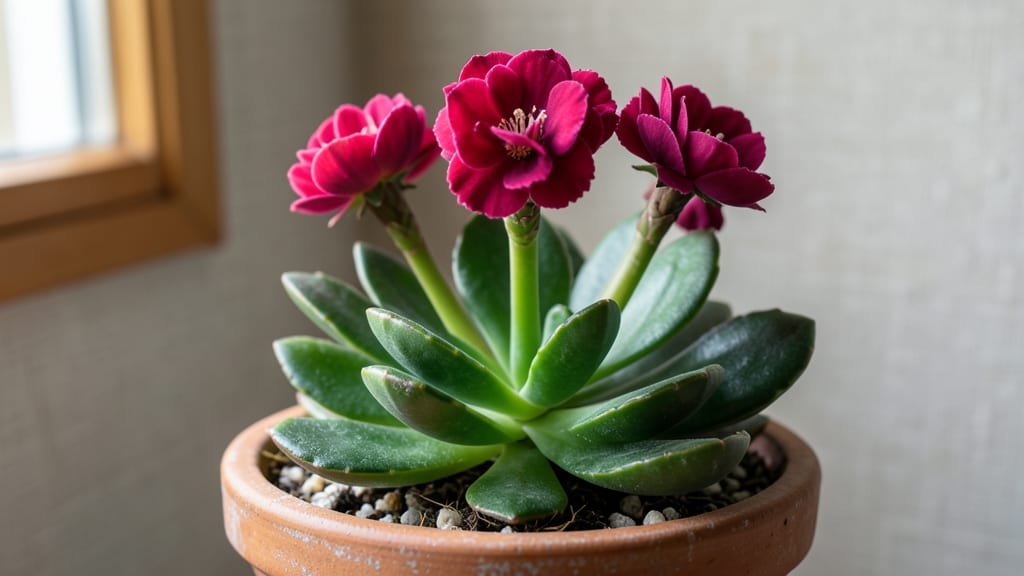
Your kalanchoe plant can bloom again—without deadheading—by mastering a few simple tricks. 🌸 I’ve coaxed second, third, and even fourth flushes from mine by controlling light, water, and rest periods, and I’ll show you exactly how.
The secret lies in mimicking its natural desert cycle: 6 weeks of short days (12 hours or less of light) followed by a burst of bright light. Overwatering is the silent killer—let the soil dry completely between drinks, and avoid soggy roots.
A well-draining cactus mix keeps things happy, while a balanced fertilizer in early spring jumpstarts growth. By late summer, you’ll see tight buds forming along the stems, and with proper care, those buds will open into clusters of vibrant blooms that last for weeks.
The key is patience—reblooming takes time, but the payoff is worth it. This method works for all kalanchoe varieties, from the classic Kalanchoe blossfeldiana to trailing types. Even a struggling plant can bounce back with the right adjustments—let’s get those flowers going!
📚 In This Guide
- What you need
- Instructions
- Tips and common mistakes
- Wrapping up and next steps
What you need
- ● Kalanchoe plant: Choose a healthy, mature plant (preferably Kalanchoe blossfeldiana or similar blooming varieties).
- ● Well-draining potting mix: 1 gallon (or enough to fill your pot). Opt for a cactus/succulent blend (e.g., 50% potting soil + 50% perlite/pumice).
- ● Pot with drainage holes: 1–2 inches larger in diameter than the plant’s root ball (e.g., 6–8" pot for a 4" plant).
- ● Watering can or spray bottle: For precise hydration (avoid soggy soil!).
- ○ Balanced fertilizer: 10–10–10 or 20–20–20 (diluted to half-strength). Optional: A bloom booster (e.g., 10-30-20) for extra floral encouragement.
- ○ Gloves (optional): To protect hands from prickly leaves.
- ● Pruning shears or clean scissors: For trimming only if needed (not deadheading!).
- ● Grow lights or sunny windowsill: 4–6 hours of bright, indirect light daily (south-facing window or LED grow lights).
- ○ Thermometer/hygrometer (optional): To monitor temps (ideal: 60–75°F) and humidity (40–50%).
- ○ Peat moss or coconut coir (optional): For top-dressing to retain moisture.
- ● Patience: Reblooming takes 8–12 weeks of consistent care!
- ● Knowledge of your plant’s light needs: Kalanchoes hate drafts or direct midday sun in hot climates.
- ● Commitment to a 14-hour "dark period": Cover the plant (or move it to a closet) for 14 straight hours daily to trigger blooming.
How to encourage your kalanchoe to bloom again
No deadheading needed—just a few clever tricks to coax vibrant flowers back.
🌱 Step 1: Mimic Winter Conditions for Flowering
Kalanchoes bloom best after a 6-8 week "winter" rest period—even if it's summer. Move your plant to a cool spot (50-60°F) with short daylight (under 12 hours daily). A north-facing windowsill or basement works perfectly. This tricks the plant into thinking winter is coming, which triggers flower buds.
Watch for new growth at the base—this signals the plant is responding. If leaves start yellowing, it’s getting too cold. Adjust to 55°F if needed. Avoid watering during this phase; let the soil dry completely between drinks. You’ll see tiny buds form after 4-6 weeks of this treatment.
☀️ Step 2: Boost Light and Heat for Bud Development
Once buds appear, shift your kalanchoe back to bright, indirect light (a south or west window is ideal). These plants crave 4-6 hours of direct sunlight daily—without it, buds will drop. If your home lacks natural light, supplement with a grow light kept 6-12 inches away for 12-14 hours daily. Too much heat (above 75°F) will cause buds to abort, so keep it steady.
Water lightly—just enough to keep the soil slightly moist (not soggy). Overwatering now causes buds to fall off. Tap the pot gently; if it feels heavy, wait a day. You’ll know you’re on track when buds swell and turn a deeper color, ready to open.
💧 Step 3: Support Blooms with Balanced Care
During flowering, keep soil evenly moist but never waterlogged. Stick your finger 1 inch deep—if it’s dry, water until it’s damp at that level. Fertilize lightly with a balanced liquid fertilizer (10-10-10) every 4 weeks to sustain blooms. Avoid heavy feeding—it encourages leafy growth over flowers. Prune any leggy stems now to redirect energy to buds.
Watch for pests like mealybugs or aphids, which love stressed plants. Wipe leaves with a soapy water cloth if you spot sticky residue. A blooming kalanchoe should last 6-8 weeks with proper care—longer than most store-bought versions! Once flowers fade, repeat the rest period to rebloom.
⏰ Step 4: Plan for Year-Round Blooms
After flowers fade, give your kalanchoe 2-3 weeks of normal care (water when dry, bright light) before starting the rest period again. This creates a cycle where you can enjoy blooms twice a year—spring and fall. Propagate a few cuttings now to share with friends; kalanchoes root easily in water or soil.
Real talk: Your plant might take a season to adjust, but once it finds its rhythm, blooming becomes effortless. The key is patience—no deadheading, no forcing, just smart timing. Next time you see those cheerful flowers, you’ll know it’s all thanks to a little seasonal trickery.
Tips & tricks for perfect kalanchoe blooms
These simple adjustments will help you coax vibrant blooms from your kalanchoe without the guesswork.
Light Timing Secret: The 12-hour daylight threshold in Step 1 is non-negotiable for bud formation. Use blackout curtains or move your plant to a closet during evening hours to simulate shorter days. I've seen buds form in just 4 weeks when I strictly followed this—no exceptions! For indoor growers, a simple timer-controlled LED light on a nightstand can help maintain that critical 12-hour cutoff.
Temperature Troubleshooting: If your kalanchoe starts dropping buds during Step 2, check the room temperature—anything above 75°F will cause them to abort. Place a small fan near the plant to improve air circulation, which helps maintain steady temperatures. I keep mine near a north-facing window where temps stay consistent, and it's made all the difference in bud retention.
Watering Wisdom: The "slightly moist" guideline in Step 3 is crucial—overwatering is the #1 reason buds fall off. I use a moisture meter to check soil moisture at the 1-inch depth mentioned, and it's saved me from multiple bud-drop disasters. When in doubt, wait another day rather than risk soggy roots.
Fertilizer Frequency: That 4-week fertilization schedule in Step 3 is perfect for sustaining blooms, but don't deviate! I've found that using a weak solution (half-strength) every 4 weeks works better than full-strength monthly applications. This prevents salt buildup in the soil that can stress the plant during its delicate flowering phase.
Pro Tips for Blooming Kalanchoe Plant
- These simple adjustments will help you coax vibrant blooms from your kalanchoe without the guesswork.
- Light Timing Secret: The 12-hour daylight threshold in Step 1 is non-negotiable for bud formation.
- Temperature Troubleshooting: If your kalanchoe starts dropping buds during Step 2, check the room temperature—anything above 75°F will cause them to abort.
Frequently asked questions
Why won’t my Kalanchoe bloom again after the first flowers fall?
Kalanchoes need 12–14 hours of darkness daily for 6+ weeks (called short-day treatment) to trigger reblooming. Without this, they won’t produce buds. Place it in a closet or cover it with a box during evening hours. Pro tip: Avoid artificial light during this time!
How long does it take for a Kalanchoe to rebloom after the first flowers?
With proper care, buds form in 6–8 weeks after the dark treatment starts. Flowers typically last 6–8 weeks total, but reblooming can take another 3–4 months if conditions are ideal. Patience is key—think of it as a slow-motion fireworks show!
Can I use LED grow lights to force blooming instead of darkness?
Nope! Grow lights won’t mimic the natural dark period Kalanchoes need. If you must use lights, keep them off for 14 hours daily during the treatment phase. Otherwise, your plant will stay in "leaf mode" forever. Alternative: Try a blackout curtain for partial darkness.
My Kalanchoe leaves are turning yellow—what’s wrong?
Yellow leaves usually signal overwatering or root rot. Let the soil dry completely between waterings (stick your finger in—if it’s damp, wait!). Ensure the pot has drainage holes, and avoid saucers that trap water. Fix: Trim yellow leaves and repot in fresh, well-draining soil if needed.
Do I need to fertilize my Kalanchoe during the blooming process?
Yes! Use a balanced, water-soluble fertilizer (like 10-10-10) every 4–6 weeks during active growth. Reduce feeding to every 8–12 weeks when buds form. Over-fertilizing can cause leaf burn or fewer blooms. Bonus: A weak solution is better than too much!
Can Kalanchoes bloom indoors year-round with artificial light?
Not reliably! While they’ll survive under grow lights, consistent 12-hour light cycles (like daylight) + dark periods are critical for blooming. If you’re using artificial light, simulate seasons by reducing light in winter to encourage dormancy. Reality check: Natural light + darkness = best results.
Wrapping up and next steps
Your blooming kalanchoe plant is a stunning testament to nature’s beauty—and now, you’ve unlocked the secret to making it rebloom without deadheading! 🌸 By mastering light cycles, temperature control, and proper care, you’ve set your plant up for a second (or third!) round of vibrant flowers.
Remember, patience and consistency are key, but the results are absolutely worth it.
Ready to showcase your green thumb? Share your reblooming success with fellow plant lovers, or dive deeper into advanced kalanchoe care tips to keep your plant thriving year-round. Happy gardening!