
Blooming
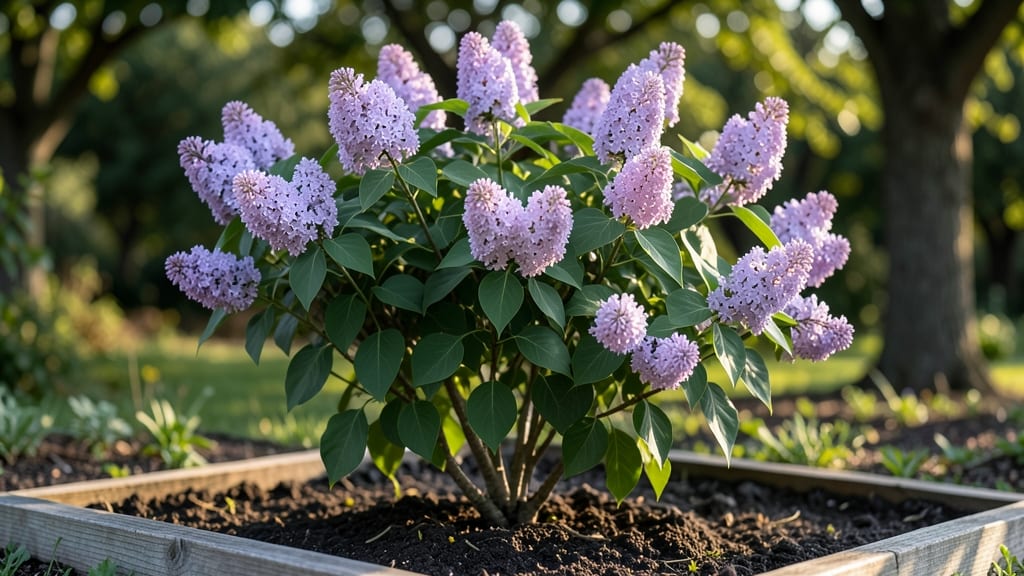
This Bloomerang reblooming lilac can put on two stunning shows in one season—if you prune it right. 🌿 I’ve watched this variety go from a single spring burst to two flushes of fragrant blooms by mastering the timing and technique, and you can too.
The secret lies in when you cut back: prune after the first bloom cycle but before new growth hardens into wood. This forces the plant to redirect energy into fresh buds instead of just leaves.
Most gardeners overlook this step, but it’s what turns a one-time bloomer into a repeat performer. By mid-July, you’ll see those familiar purple cones forming again—stronger than ever—with the added bonus of foliage that stays lush well into fall.
The key is patience: don’t rush the pruning, and always use sharp shears to avoid tearing branches. Works for both new plantings and established shrubs. Here’s how to make it happen without sacrificing next year’s spring display.
📚 In This Guide
- What you need
- Instructions
- Tips and common mistakes
- Wrapping up and next steps
What you need
- ● Pruning shears or loppers – Sharp, clean, and disinfected (rubbing alcohol or bleach solution) to prevent disease spread. Choose bypass pruners for clean cuts.
- ● Gloves – Heavy-duty work gloves to protect against thorns and sap.
- ○ Pruning saw (optional but helpful) – For thicker branches (over ½ inch in diameter).
- ● Garden hose or bucket of water – To rinse tools between cuts and keep lilacs hydrated.
- ● Compost or mulch – A 2-3 inch layer to retain moisture and nourish roots post-pruning.
- ○ Fertilizer (balanced or high-phosphorus) – Look for a 10-10-10 or 5-10-10 NPK ratio to encourage regrowth. Optional: Slow-release granules for convenience.
- ● Plant food with micronutrients (e.g., fish emulsion or seaweed extract) – Boosts vitality for reblooming.
- ● Healthy, mature lilac bushes – At least 3-5 years old (younger plants may not rebloom reliably).
- ● Post-bloom timing – Prune immediately after the first flush of flowers fades (late spring/early summer) to trigger reblooming.
- ● Sunlight & water access – Ensure your lilacs get full sun (6+ hours/day) and consistent moisture (but not soggy soil).
- ● Patience! – Reblooming lilacs may take 2-4 weeks to show new buds. Avoid over-pruning—never cut more than ⅓ of the bush in one season.
Step-by-step pruning for Bloomerang lilac reblooming
Here's how to coax a second flush of fragrant blooms from your lilacs—no special tools required.
✂️ Step 1: Time Your First Cut After Initial Blooming
Wait until two weeks after your lilac's first flush completely fades before pruning. This gives the plant time to store energy for reblooming. I always mark the date of the last bloom on my calendar—skipping this step means you'll cut off next year's flower buds hidden in last year's wood.
Use sharp bypass pruners to remove 1/3 of the oldest stems at ground level. These are the thickest, woody stems that no longer produce strong blooms. Look for stems that are 1/3 the diameter of your thumb or larger—these are the ones to remove completely. The goal is to open the center of the plant to sunlight and air, which triggers new growth.
🌿 Step 2: Shape the Plant for Airflow and Light
After removing the oldest stems, focus on shaping the remaining branches. Step back and visualize the plant as a rounded dome—this is the natural shape lilacs love. Cut back any crossing branches or stems growing inward at a 45-degree angle, just above an outward-facing bud.
Here's the thing—don't worry about perfect symmetry. Lilacs are forgiving, and a slightly uneven shape is better than over-pruning. You'll see new shoots emerge from the base within 3-4 weeks if you've given the plant enough light. These new stems are where your second flush will appear.
☀️ Step 3: Feed and Water for Strong Reblooming
After pruning, spread 2-3 inches of compost around the base of the plant (but not touching the trunk) and water deeply. Lilacs need 1-1.5 inches of water weekly during dry spells, but they hate soggy roots. The compost provides slow-release nutrients that encourage vigorous new growth.
I like to add a balanced 10-10-10 fertilizer in early June, right after the first flush. This gives the plant a phosphorus boost for root development and flower bud formation. Avoid high-nitrogen fertilizers—they promote leafy growth at the expense of blooms. You'll know you're on the right track when you see new green shoots at the base within 2-3 weeks of fertilizing.
⏰ Step 4: Prepare for the Second Flush
In late summer, when the first rebloom cycle finishes (usually August), perform a light maintenance trim. Remove any dead or crossing branches, but this time, only cut back to the nearest outward-facing bud. The goal is to keep the plant open without removing too much growth that could support the second flush.
Watch for new flower buds forming along the new stems—these will be smaller than the first flush but just as fragrant. Mulch again with 1-2 inches of shredded bark to protect roots from winter cold and retain moisture. This final step ensures your lilac stores enough energy to produce blooms next spring and rebloom again this summer.
Tips & tricks for perfect Bloomerang lilac reblooming
Confession: I skipped the timing part for years and wondered why my lilacs never rebloomed. Here's what actually works.
Timing Secret: Mark your calendar the day the last bloom fades—this is your two-week countdown to pruning. The two-week window gives your lilac time to store carbohydrates in its roots for new growth. If you prune too early, you risk cutting off next year's flower buds that are already forming. I always set a reminder because I tend to forget these details!
Tool Tip: Sharp bypass pruners are non-negotiable for clean cuts that heal quickly. Dull pruners crush stems and invite disease. I keep a pair dedicated just to my lilacs and clean them with rubbing alcohol after each use. For thicker stems (that 1/3 diameter of your thumb or larger), I sometimes use loppers but always make cuts at a 45-degree angle to prevent water pooling.
Visual Cue: When shaping in Step 2, imagine your lilac as a rounded dome—this is its natural growth habit. Look for branches growing inward or crossing others; these are your targets. The goal is to create an open center that lets sunlight reach all parts of the plant. You'll know you're doing it right when you see new shoots emerging from the base within 3-4 weeks—these are your reblooming stems!
Fertilizer Strategy: That 10-10-10 fertilizer in early June is your secret weapon for reblooming. The phosphorus (the middle number) is what encourages root development and flower bud formation. I avoid high-nitrogen fertilizers—they'll give you big leaves but no blooms. Look for new green shoots at the base within 2-3 weeks of fertilizing as your confirmation that everything's on track.
Pro Tips for Bloomerang Reblooming Lilac
- Confession: I skipped the timing part for years and wondered why my lilacs never rebloomed. Here's what actually works.
- Timing Secret: Mark your calendar the day the last bloom fades—this is your two-week countdown to pruning.
- Tool Tip: Sharp bypass pruners are non-negotiable for clean cuts that heal quickly.
Frequently asked questions
Got questions about encouraging your bloomerang reblooming lilac to put on a second show? You’re not alone!
Here are answers to the most common curiosities—from timing to troubleshooting—so you can keep those fragrant blooms coming all summer long.
Why isn’t my lilac reblooming after the first flush?
Lilacs often skip reblooming due to over-pruning (cutting back too late in the season) or lack of sunlight. If you pruned after June, new growth won’t have time to mature before winter. Also, lilacs need full sun (6+ hours/day)—shady spots can stunt reblooming. Check your pruning timing and plant location!
When is the best time to prune for reblooming?
For a bloomerang reblooming lilac, prune right after the first bloom fades (late May to early June). Avoid heavy cuts—just trim 1/3 of the oldest stems to encourage new growth. Never prune in fall or winter, as this removes next year’s blooms!
Can I prune lilacs in summer to encourage more flowers?
Yes! Light summer pruning (after the first bloom) can stimulate a second flush, but avoid heavy cuts. Focus on deadheading spent blooms and trimming only 1-2 inches off of the oldest stems. Wait until July for any additional pruning—new growth needs time to harden off before fall.
Are there alternatives to pruning for reblooming lilacs?
Pruning is key, but you can boost reblooming with these tricks:
- Fertilize lightly in early spring with balanced 10-10-10 fertilizer.
- Ensure well-draining soil—lilacs hate soggy roots!
- Water deeply but infrequently (1-2 inches per week).
- Choose reblooming varieties like ‘Bloomerang’ or ‘Dwarf Korean’ if starting fresh.
What do I do if my lilac blooms but then drops them?
Dropped blooms often signal stress—check for:
- Underwatering (wilting leaves) or overwatering (yellow leaves).
- Pests like aphids or borers (spray with neem oil if needed).
- Nutrient deficiency (add compost or a bloom booster).
- Sudden temperature swings (lilacs prefer consistency).
Wrapping up and next steps
Reblooming your lilacs with the Bloomerang method is all about patience, precision, and a little extra care! By mastering the right pruning techniques—like waiting until late summer, cutting back selectively, and fertilizing wisely—you can enjoy those fragrant blooms twice a year. 🌸
Ready to transform your garden? Start by observing your lilacs this season—note their growth patterns and blooming cycles. Then, grab your pruners and give these tricks a try! With a little practice, you’ll be on your way to a second flush of beauty in no time.