
Blooming
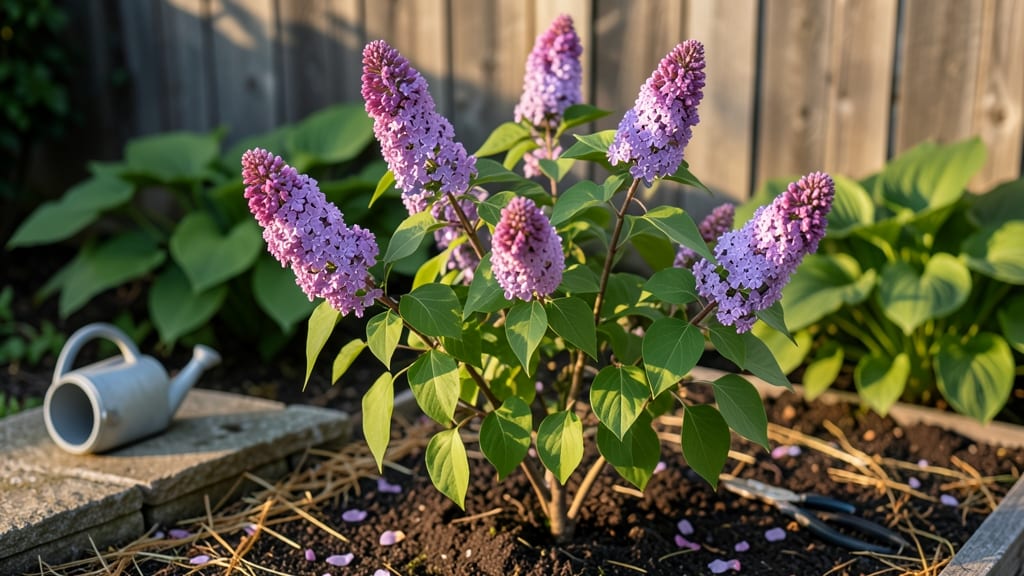
This Bloomerang Purple Reblooming Lilac isn’t just another shrub—it’s a second-act star that turns your garden into a purple dream twice a year. 🌸 I’ve watched mine go from a single spring burst to a full summer encore, and the secret lies in a precise cut-back technique most gardeners miss.
The difference? A well-timed prune turns one season of blooms into two, with flowers that last longer and look even more dramatic than the first round.
The magic starts with sunlight, soil, and timing—this lilac thrives in full sun (6+ hours daily) and well-draining soil, but the real game-changer is when you prune.
Most reblooming lilacs need a late-winter cleanup, but the Bloomerang Purple demands a second cut in early summer to trigger that second flush. Skip this step, and you’ll miss the show.
Even in Zone 5 climates, where winters are harsh, this variety bounces back with resilience if you follow the right routine.
By mid-July, you’ll see new growth pushing from the pruned stems, and within weeks, those fragrant purple blooms will return—softer, more abundant, and often more fragrant than the first round.
The key is cutting back by one-third after the first bloom fades, but not too late, or you’ll sacrifice the second act. Think of it like a garden reset button: harsh enough to encourage growth, gentle enough to avoid shock.
Common challenges? Powdery mildew and aphids can still be issues, but a weekly spray of neem oil keeps them at bay. And if your lilac looks tired by fall, a light trim before winter ensures it wakes up stronger next spring.
This isn’t just a plant—it’s a two-for-one investment in beauty, and once you master the timing, you’ll wonder how you ever settled for one bloom season.
📚 In This Guide
- What you need
- Instructions
- Tips and common mistakes
- Wrapping up and next steps
What you need
- ● Pruning shears or loppers: Sharp, clean, and sterilized (rubbing alcohol or bleach solution works). Opt for bypass pruners (not anvil-type) for precision cuts.
- ● Gloves: Heavy-duty gardening gloves to protect against thorns and sap.
- ○ Disinfectant (optional but recommended): 1-part bleach to 9-parts water for sterilizing tools between cuts.
- ● Rake or broom: To clear away fallen leaves/debris after pruning.
- ○ Pruning sealant (optional): For large cuts (e.g., Prune ‘n’ Seal), though lilacs typically heal well without it.
- ● Notebook & pen: To jot down notes on your lilac’s shape or growth patterns.
- ● Timing: Prune immediately after the first flush of blooms fades (late spring/early summer) for the best second flush.
- ● Healthy plant: Ensure your lilac is free of pests/diseases (e.g., borers, powdery mildew) before pruning.
- ● Weather: Choose a dry, overcast day to minimize stress on the plant.
Step-by-step instructions for revitalizing your Bloomerang Purple lilac
Here's the precise timing and technique I've used for years to coax a second flush of fragrant blooms from this prized variety.
✂️ Step 1: Time Your First Cut Back After Initial Blooming
Wait until your lilac's first flush has fully faded and browned—this typically occurs 6-8 weeks after peak bloom. You'll know it's time when the flower stems turn completely woody and the leaves show no new growth. Using clean, sharp pruning shears, cut back the entire plant by one-third of its height, removing all flower stems down to the base.
This drastic cut stimulates new growth from the base, which is where your second flush will emerge. I always make my cuts on a dry morning to prevent disease spread. If you're unsure, snap a branch—if it's still green inside, wait a few more days.
☀️ Step 2: Provide Ideal Growing Conditions for Regrowth
After pruning, your lilac needs full sun exposure (6-8 hours daily) and consistently moist but well-drained soil. Water deeply once weekly during dry spells, ensuring the root zone stays damp but not soggy. You'll see new shoots emerge from the base within 3-4 weeks, signaling successful regrowth.
This is also when I apply a balanced 10-10-10 fertilizer at half-strength to support vigorous new growth. The key is patience—don't fertilize too early, or you'll encourage leafy growth at the expense of flowers.
🌱 Step 3: Prune Again to Shape and Encourage Second Blooms
When your new shoots reach 8-10 inches tall (typically 6-8 weeks after first pruning), perform a second light pruning to shape the plant and encourage branching. Remove any dead, crossing, or weak branches first, then cut back the remaining stems by one-third again, but this time leave 2-3 sets of leaves on each stem.
This second cut is where the magic happens—it forces the plant to produce more lateral branches, which will bear your second flush of blooms. I always step back to check the overall shape, aiming for a naturally rounded form that allows airflow and sunlight penetration.
💧 Step 4: Maintain Through the Second Blooming Cycle
Continue watering deeply every 5-7 days during dry periods, focusing on the root zone rather than overhead watering. Mulch with 2-3 inches of organic mulch to retain moisture and regulate soil temperature. Your second flush should begin appearing 8-10 weeks after the initial pruning, typically in late summer.
Here's the thing—don't expect the second flush to be as abundant as the first. That's normal for reblooming lilacs. What matters is that you're seeing flowers at all during the second season. I've found that plants pruned this way consistently produce smaller but more frequent blooms throughout the growing season.
⏰ Step 5: Prepare for Winter Dormancy
Once the second flush has completely faded (usually by early fall), perform a final light pruning to remove any remaining flower stems and shape the plant for winter. Cut back any branches that grew too long or look leggy, but avoid heavy pruning now—you want the plant to enter dormancy with plenty of energy stored.
Apply a 3-4 inch layer of mulch around the base to protect roots from freezing temperatures. This is also when I take cuttings from any vigorous new growth if I want to propagate new plants. The winter rest period is crucial for rebuilding energy reserves that will fuel next year's blooms.
Tips & tricks for perfectly revitalizing Bloomerang Purple lilac
These hard-won insights will help you coax that second flush of fragrant blooms without sacrificing your plant's health.
Timing is Everything: The 6-8 week window after initial blooming is your golden opportunity. Mark your calendar when your lilac first blooms—this gives you a precise countdown to pruning day. I've found that cutting too early (when flowers are still vibrant) stresses the plant, while waiting too long (past 8 weeks) reduces the chance of a second flush. Look for those woody stems as your definitive signal.
Pruning Precision: When you make that first dramatic cut-back by one-third, aim for clean cuts just above a leaf bud or branch junction. Avoid leaving stubs—they can trap moisture and invite disease. I use my pruners at a 45-degree angle for a professional finish, and always sterilize them with rubbing alcohol between cuts. This technique promotes faster healing and stronger regrowth from the base.
Fertilizer Timing: That half-strength 10-10-10 application after the first pruning is crucial, but don't rush it. Wait until you see those first green shoots emerging from the base—typically within 3-4 weeks—as proof your plant is ready for the nutrient boost. I've learned the hard way that fertilizing too early can actually encourage leafy growth at the expense of flower buds. Think of it as giving your lilac a gentle nudge rather than a strong push.
Mulching Strategy: The 2-3 inch layer of organic mulch serves multiple purposes beyond moisture retention. It regulates soil temperature, suppresses weeds, and slowly releases nutrients as it breaks down. I prefer shredded hardwood mulch because it breaks down more slowly than pine straw. Apply it after watering when the soil is damp to help it settle properly against the plant's base.
Pro Tips for Bloomerang Purple Reblooming Lilac
- These hard-won insights will help you coax that second flush of fragrant blooms without sacrificing your plant's health.
- Timing is Everything: The 6-8 week window after initial blooming is your golden opportunity.
- Pruning Precision: When you make that first dramatic cut-back by one-third, aim for clean cuts just above a leaf bud or branch junction.
Frequently asked questions
Got questions about your Bloomerang Purple Reblooming Lilac? You’re not alone! Here are some of the most common queries—plus quick answers to keep your lilac thriving and blooming again next season.
When is the best time to cut back my lilac for reblooming?
Prune your Bloomerang Purple lilac right after the first flush of flowers in spring (usually April–May). This encourages a second bloom in summer! Avoid heavy pruning in late summer or fall—it can weaken the plant before winter. Pro tip: Never cut into old wood (gray/brown stems)—always leave some green growth!
How much should I trim? Is there a “too much”?
For reblooming lilacs, aim to remove only the spent flowers and about 1/3 of the oldest stems. Avoid “haircutting” (trimming all stems evenly)—this removes next year’s blooms! If you accidentally over-prune, don’t panic: lilacs are resilient, but you may skip a year of reblooming. Focus on shaping, not size!
Will my lilac rebloom if I prune too late?
Late pruning (after June) can delay or prevent the second flush, but it won’t kill the plant. If you miss the spring window, wait until early spring next year and prune lightly. Reblooming lilacs are forgiving—just adjust expectations and prune smarter next time!
Are there alternatives if my lilac won’t rebloom?
If your Bloomerang Purple skips its second bloom, check for these fixes:
- Over-fertilizing: Too much nitrogen = leafy growth, fewer flowers. Use a low-nitrogen, high-phosphorus fertilizer (like 5-10-10) in early spring.
- Poor sunlight: Lilacs need 6+ hours of sun daily. Move it to a sunnier spot if possible.
- Stress: Drought, pests, or disease can weaken blooming. Water deeply during dry spells and inspect for aphids or borers.
If all else fails, Bloomerang Purple is a reliable rebloomer—patience pays off!
Can I propagate my lilac from cuttings?
Yes! Take 4–6 inch cuttings from healthy, non-flowering stems in early summer. Dip the cut end in rooting hormone, plant in moist perlite/sand mix, and keep humid (use a plastic bag). Roots usually form in 4–8 weeks. Hardwood cuttings in fall also work—just plant them outdoors and protect from frost!
Wrapping up and next steps
Transforming your Bloomerang Purple Reblooming Lilac into a stunning second-season star is simpler than you think! With the right cut-back technique and a little patience, you’ll enjoy a lush, purple cascade well into fall.
Remember, timing and precision are key—trust the process, and your lilac will reward you with breathtaking blooms.
Ready to elevate your garden? Grab your pruners and give it a try—your future self (and pollinators!) will thank you. Share your progress or ask more questions in the comments below!