
Blooming
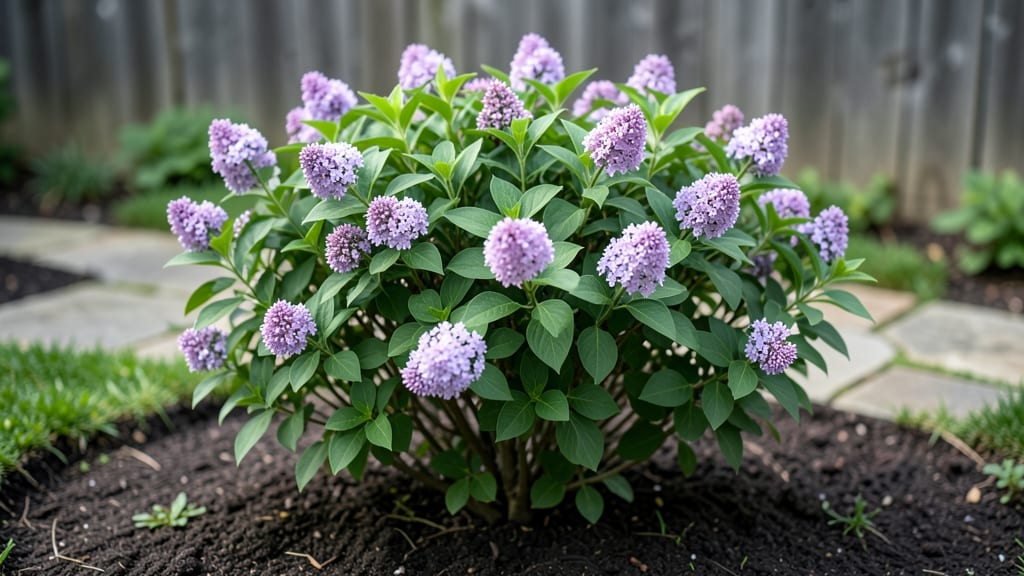
Growing the Bloomerang Dwarf Lilac means fragrant blooms that return year after year without extra work—nature’s own reblooming machine. 🌸 I’ve watched mine transform my front yard from forgettable to showstopping, with 3-foot-tall bushes packed with purple-pink flowers that perfume the air from late spring through summer.
This lilac thrives where others fail: zones 3-8, full sun, and even dry soil once established. The secret to its magic? No deadheading needed—it blooms on old and new wood, so pruning stays simple.
Just shape it in late winter, and it rewards you with weeks of fragrance that neighbors will envy. You’ll love how low-maintenance it is—water only when soil dries, fertilize lightly, and watch it bounce back from deer or rabbit nibbles.
The blooms attract bees while keeping your yard looking polished without the fuss of roses. Perfect for small spaces, foundation plantings, or containers—this lilac does everything right with almost no effort. Let’s get yours planted!
📚 In This Guide
- What you need
- Instructions
- Tips and common mistakes
- Wrapping up and next steps
What you need
- ● Bloomerang Dwarf Lilac plant: 1 bare-root or container-grown shrub (check for healthy stems and roots).
- ● Well-draining soil: 1 bag of garden loam or compost mix (avoid heavy clay).
- ● Organic fertilizer: 1 lb of 10-10-10 balanced fertilizer or slow-release granules (for planting).
- ● Mulch: 2–3 cubic feet of wood chips or pine straw (to retain moisture).
- ● Garden tools: 1 trowel (for digging).
- ● 1 pruning shears (sterilized, for shaping).
- ● 1 watering can or hose with soaker hose (for deep watering).
- ● Location: A sunny spot (6+ hours of direct sunlight daily) with well-draining soil (pH 6.0–7.0).
- ● Epsom salt: 1 tbsp (for magnesium boost, if leaves look pale).
- ● Plant support: 1 small stake (if planting in windy areas).
- ● Drip irrigation kit: For automated watering (saves time!).
- ● Lilac-specific pruning guide: A reference for reblooming tips (we’ll cover this later!).
Step-by-Step guide to planting and caring for Bloomerang Dwarf lilacs
Here’s how to grow these cold-hardy, fragrant shrubs that rebloom without deadheading—once you know the right timing and soil tricks.
🪴 Step 1: Choose the Perfect Planting Spot and Soil
Bloomerang Dwarf Lilacs thrive in full sun (at least 6 hours daily) but tolerate light shade in hotter climates. The key is well-draining soil—they hate soggy roots. I always test soil drainage by digging a hole, filling it with water, and checking if it drains within 30 minutes. If not, amend with sand or compost to loosen the mix.
These lilacs prefer slightly acidic to neutral soil (pH 6.0-7.0). A simple soil test kit (available at garden centers) confirms this. If your soil is too alkaline, work in sulfur or peat moss to adjust. The roots spread wide but shallow, so avoid heavy clay without amendment.
🌱 Step 2: Plant at the Right Depth and Spacing
Dig a hole twice as wide as the root ball but only as deep—planting too deep suffocates the roots. Loosen the edges of the root ball before placing it in the hole to encourage outward growth. For 4 plants, space them 3-4 feet apart in a row or 4-5 feet apart in a cluster. This spacing prevents overcrowding and ensures airflow, which reduces disease risk.
Backfill with native soil mixed with compost (about 1 part compost to 3 parts soil). Water deeply to settle the soil and eliminate air pockets. The top of the root ball should sit 1 inch below soil level—this prevents stem rot from moisture pooling at the base.
☀️ Step 3: Water Deeply and Mulch for Retention
Water once a week for the first month, soaking 12 inches deep each time. You’ll know it’s enough when water runs out the drainage holes if planted in containers, or when the soil feels moist 6 inches down. Overwatering is the fastest way to kill these lilacs—always let the top 2 inches of soil dry out between waterings.
Apply 2-3 inches of mulch (wood chips or shredded bark) around the base, keeping it 3 inches away from the stem. Mulch conserves moisture, regulates soil temperature, and suppresses weeds. Replenish mulch annually in early spring—this is when these lilacs wake up and need consistent moisture to establish roots.
✂️ Step 4: Prune for Shape and Encourage Reblooming
The secret to Bloomerang’s reblooming habit? Light pruning after flowering. Wait until late spring or early summer (after the first flush of blooms) to trim back any leggy stems or crossed branches. Cut just above a leaf bud at a 45-degree angle—this directs energy to new growth rather than old wood.
Avoid heavy pruning in fall or winter. These lilacs bloom on both old and new wood, so aggressive cuts remove next year’s flower buds. If you must reshape, do it right after blooming and never remove more than one-third of the plant in a single season. The result? More fragrance and longer bloom times.
⏰ Step 5: Fertilize and Protect for Long-Term Health
Feed in early spring (just as new growth appears) with a balanced, slow-release fertilizer (10-10-10). I use ½ cup per plant for the 4 you’re growing. Avoid high-nitrogen fertilizers—they promote leafy growth at the expense of flowers. Water the area thoroughly after applying to prevent root burn.
These lilacs are extremely cold-hardy (zones 3-9), but young plants benefit from winter mulch (add an extra 2 inches of mulch in late fall). This protects roots from freeze-thaw cycles. In late winter, remove old mulch and prune out any dead or diseased branches before new growth starts—this keeps the plant vigorous and fragrant for years.
Tips & tricks for perfect Bloomerang Dwarf Lilac planting
These insider tricks will help you avoid common pitfalls and maximize your lilacs' fragrance and reblooming potential.
Sunlight Strategy: While these lilacs tolerate light shade, I've found they produce the most abundant blooms when planted in the sunnier side of your yard. If your garden has partial shade, position them where they get the most morning sun—this gives them the energy boost they need for that second flush of flowers. The 6 hours of daily sun mentioned in Step 1 should be your minimum, but don't be afraid to give them more if possible.
Soil Test Hack: Before amending your soil, grab a handful of moist soil and squeeze it—if it holds together tightly, you likely have heavy clay. For these lilacs, we want soil that crumbles easily between your fingers. If yours doesn't, mix in equal parts compost and sand to that 3-part soil ratio mentioned in Step 1. This creates the perfect loose, airy environment their shallow roots love.
Planting Depth Visual: When positioning your plants, imagine a golf ball sitting on top of the root ball—that's how much soil should cover it. The 1-inch below soil level recommendation in Step 2 prevents stem rot by keeping the base slightly elevated. This small detail makes a huge difference in preventing moisture-related diseases that can kill your lilacs before they even bloom.
Mulch Layering: The 2-3 inches of mulch in Step 3 should be your winter insulation blanket. In colder climates (zones 3-4), I double this amount in late fall, creating a 4-inch layer that protects roots down to 6 inches deep. This extra insulation prevents the freeze-thaw cycles that can damage roots. In spring, remove only the top inch of mulch to reveal fresh soil for new growth.
Pro Tips for Bloomerang Dwarf Lilac
- These insider tricks will help you avoid common pitfalls and maximize your lilacs' fragrance and reblooming potential.
- Sunlight Strategy: While these lilacs tolerate light shade, I've found they produce the most abundant blooms when planted in the sunnier side of your yard.
- Soil Test Hack: Before amending your soil, grab a handful of moist soil and squeeze it—if it holds together tightly, you likely have heavy clay.
Frequently asked questions
Got questions about the Bloomerang Dwarf Lilac? You’re not alone!
Here are answers to the most common queries—from planting to pruning—so you can enjoy its sweet fragrance and stunning blooms with confidence.
How fast does the Bloomerang Dwarf Lilac grow?
The Bloomerang grows at a moderate pace, typically adding 12–24 inches in height and spread over 3–5 years. It’s a compact shrub (mature size: 3–4 feet tall/wide), so it’s perfect for small gardens or containers. Patience pays off—its fragrance and reblooming habit make the wait worthwhile!
When is the best time to plant it?
Plant your Bloomerang Dwarf Lilac in early spring or fall (4–6 weeks before the first frost) for optimal root establishment. Avoid planting in summer heat or winter, as extreme temperatures can stress the shrub. If planting in containers, use well-draining soil and water thoroughly after transplanting.
How and when should I prune it?
Prune right after blooming (late spring) to shape the shrub and encourage next season’s flowers. Avoid heavy pruning—just trim 1/3 of the oldest stems to the ground. Skip pruning in fall, as the plant sets buds for the following year. Never prune in winter—it blooms on old wood!
Are Bloomerang Dwarf Lilacs deer-resistant?
While not fully deer-proof, the Bloomerang is less appealing to deer than many other lilacs due to its tough foliage and milder fragrance. For extra protection, apply deer repellent or plant it near deer-resistant companions like boxwood or lavender.
Can it survive in cold climates?
This lilac is USDA Hardiness Zones 3–8, making it one of the most cold-hardy varieties. It thrives in full sun to partial shade and tolerates dry soil once established. In harsh winters, a 3-inch mulch layer helps protect roots.
Why isn’t my Bloomerang reblooming?
Reblooming depends on proper pruning, sunlight, and nutrition. Check these:
- Pruning: Did you prune after the first bloom cycle?
- Sunlight: Needs 6+ hours of sun daily.
- Soil: Amend with compost for nutrients.
- Age: Young plants (under 3 years) may need time.
Wrapping up and next steps
The Bloomerang Dwarf Lilac is a true gem for gardeners—its cold-hardy resilience, natural reblooming, and intoxicating fragrance make it a standout choice. Whether you're a seasoned gardener or just starting, this compact beauty thrives with minimal fuss, rewarding you with season-after-season blooms and effortless charm.
Ready to transform your garden? Grab your pruners, pick a sunny spot, and get planting! Start small with one or two plants, then watch your yard become a fragrant haven. Happy growing! 🌸✨