
Blooming
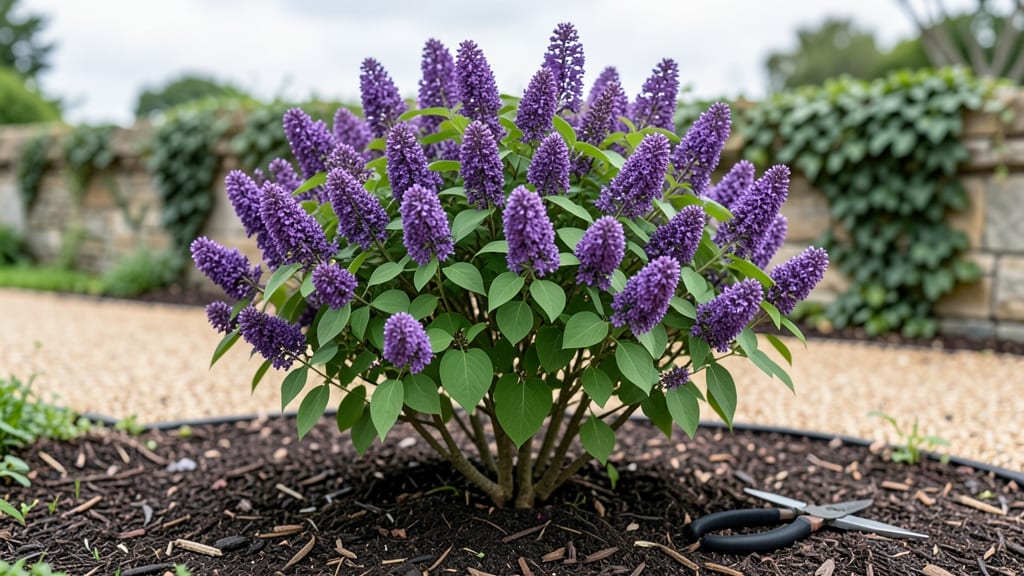
The Bloomerang Dark Purple Lilac Tree Form turns heads with its dramatic vertical canopy and deep violet blooms that seem to glow in spring. ✨ I fell in love with this variety when I saw how it transformed a narrow garden corner—suddenly, there was height, color, and structure all in one striking package.
Unlike traditional lilacs that sprawl, this tree form grows upward like a natural obelisk, making it perfect for small spaces where every inch counts.
This isn’t just a pretty face—it’s a multi-season performer. The fragrant blooms arrive in late spring, drawing bees and butterflies, while the glossy foliage adds rich texture through summer. Even in winter, the exfoliating bark and upright shape provide year-round interest.
Plant it as a focal point near a patio or walkway, or use it to anchor a border where you want vertical drama without sacrificing space.
Pair it with silver foliage plants like lamb’s ear or dusty miller to make the dark purple blooms pop, or add low-growing perennials like catmint or lavender at its base for contrast.
The care is simple: full sun, well-drained soil, and an occasional prune to maintain its tidy shape. With minimal effort, you’ll have a showstopper that outshines any flat shrub.
Perfect for urban gardens, courtyard spaces, or even as a striking container specimen. Once you see how it elevates a design, you’ll wonder how you ever lived without a vertical lilac in your garden.
📚 In This Guide
- What you need
- Instructions
- Tips and common mistakes
- Wrapping up and next steps
What you need
- ● Bloomerang Dark Purple Lilac Tree: 1 young tree (3–5 ft tall, 1–2 gal container) or a mature specimen (for shaping). Choose a Syringa meyeri 'Palibin' cultivar for best results.
- ● High-quality potting soil: 2–3 cubic feet (for planting) or 1 bag (18–25 lbs) of well-draining, slightly acidic soil mix (pH 6.0–7.0).
- ● Organic mulch: 3–4 inches of wood chips, pine straw, or compost to retain moisture and suppress weeds.
- ● Slow-release fertilizer: 1 lb of balanced 10-10-10 or lilac-specific fertilizer (apply at planting and again in early spring).
- ● Garden gloves: 1 pair (heavy-duty, for thorn protection).
- ● Pruning shears: 1 pair (bypass pruners, sharp and sterilized).
- ● Loppers: 1 pair (for thicker branches, 16–24" reach).
- ● Shovel & trowel: 1 each (for digging and precision planting).
- ● Watering can or hose: With a fine mist nozzle for gentle watering.
- ● Measuring tape: 1 (to track tree height and spacing).
- ○ Staking kit (optional): 2–3 stakes + tree ties (if planting in windy areas).
- ● Sunlight: A full-sun location (6+ hours/day)—partial shade may limit blooms.
- ● Space: Minimum 6–8 feet of vertical clearance (for mature height of 10–12 ft) and 4–5 feet of width.
- ● Soil test: Check drainage—lilacs hate soggy roots! Amend clay soil with compost or perlite if needed.
- ● Patience: Young trees take 2–3 years to establish; full blooms may appear in 3–5 years.
How to plant and care for a Bloomerang dark purple lilac tree form
This striking vertical lilac delivers dramatic color without sprawling—here's how to make it thrive.
🪴 Step 1: Choose the Perfect Planting Spot
Select a location with full sun exposure (6-8 hours daily)—this variety needs plenty of light to develop its rich purple blooms. The Bloomerang's upright form works beautifully against fences or along narrow garden edges where space is tight. I always check the mature height (typically 6-8 feet) and ensure overhead power lines or structures won't become an issue as it grows.
Test the soil pH before planting—lilacs prefer slightly alkaline conditions between 6.5-7.5. Dig a hole twice as wide as the root ball but only as deep as the container's base. The top of the root ball should sit 1 inch above ground level to prevent water pooling around the stem. This variety handles various soil types but drains poorly, so amend heavy clay with compost.
🌱 Step 2: Plant with Proper Spacing and Support
Plant your Bloomerang 3-4 feet from structures or other plants to allow airflow and prevent future crowding. The tree form's vertical growth habit means it won't spread like traditional lilacs, but proper spacing now prevents pruning headaches later. Remove any broken branches during planting—they'll only create weak attachment points for future growth.
Backfill the hole with native soil mixed with 50% compost to improve drainage and fertility. Water deeply as you fill, tamping down gently to remove air pockets. The first year is critical—mulch with 2-3 inches of organic mulch (like shredded bark) keeping it 6 inches away from the trunk to prevent rot. This helps maintain even soil moisture without smothering the roots.
☀️ Step 3: Water and Fertilize for First-Year Establishment
Water deeply once weekly during the first growing season, aiming for 1-1.5 gallons per watering. You'll know you've watered enough when the top 6 inches of soil feels moist but not soggy. Overwatering causes root rot, while underwatering stresses the plant during critical root development. I always water in the morning so foliage dries quickly, reducing disease risk.
Apply a balanced 10-10-10 fertilizer at planting time, then again in early spring. This variety responds well to light feeding—too much nitrogen produces leafy growth at the expense of flowers. After the first year, reduce fertilization to once annually in early spring. Prune immediately after flowering to shape the vertical form while maintaining its natural branching pattern.
✂️ Step 4: Prune for Vertical Form and Blooming Success
Prune your Bloomerang in late spring after flowering to maintain its dramatic vertical shape. Remove any crossing branches or those growing inward to prevent future rubbing. I always cut just above a outward-facing bud to encourage new growth in the right direction. Never prune more than 25% of the plant's height in any single season—this variety blooms on old wood, so aggressive pruning reduces next year's flowers.
Watch for suckers at the base—these compete with the main trunk for nutrients. Remove them promptly by cutting at ground level. The Bloomerang's upright form makes it easy to spot overgrown branches from a distance. After pruning, apply a fungicide spray if your area has a history of powdery mildew—a common lilac issue that can mar the foliage but rarely affects the flowers.
Tips & tricks for perfect Bloomerang dark purple lilac tree form
Here's what I've learned after watching these striking vertical lilacs thrive in tight spaces.
Sunlight Secret: The 6-8 hours of full sun requirement isn't just about blooms—it's about developing that signature deep purple color. If your garden gets partial shade, position the Bloomerang where it gets morning sun and afternoon light. I've seen plants in 5 hours of direct sun still produce flowers, but the color fades to pale pink. Trust me, that rich purple is worth the sun commitment!
Soil Prep Strategy: That 6.5-7.5 pH range is crucial, but don't stress about perfecting it before planting. Simply mixing in 50% compost (as instructed) will naturally adjust the pH over time. For heavy clay soils, I add a handful of lime to the planting hole—it helps neutralize acidity while improving drainage. The key is working with what you have rather than trying to create ideal conditions overnight.
Watering Wisdom: When aiming for that 1-1.5 gallons per week, think about your soil type. Sandy soils will need more frequent watering (every 5-6 days), while clay holds moisture longer (every 8-10 days). I test soil moisture by sticking my finger 6 inches down—if it's dry, that's your watering cue. The morning watering tip is especially important in humid climates to prevent fungal issues that can affect the foliage.
Pruning Precision: That 25% height limit during pruning might seem strict, but it's what keeps your Bloomerang producing those dramatic vertical blooms year after year. I mark my pruning cuts with a piece of chalk before making them—this helps me visualize where the new growth will emerge. And remember, those outward-facing buds are your friends—they'll grow in the direction you want new branches to form.
Pro Tips for Bloomerang Dark Purple Lilac Tree Form
- Here's what I've learned after watching these striking vertical lilacs thrive in tight spaces.
- Sunlight Secret: The 6-8 hours of full sun requirement isn't just about blooms—it's about developing that signature deep purple color.
- Soil Prep Strategy: That 6.5-7.5 pH range is crucial, but don't stress about perfecting it before planting.
Frequently asked questions
about the Bloomerang Dark Purple Lilac Tree Form—because every gardener deserves clarity! Here are answers to the most common questions to help you make the best choice for your space.What’s the best time to plant a Bloomerang Dark Purple Lilac Tree?
Plant your lilac tree in early spring or fall when temperatures are mild. This gives roots time to establish before extreme heat or cold. Avoid planting in late summer or winter, as frost or drought stress can hinder growth. Choose a day with overcast skies or light rain to reduce transplant shock!
How long does it take for this lilac to bloom after planting?
Patience is key! While established lilacs bloom in 3–5 years, the Bloomerang variety often rewards you sooner—1–2 years—thanks to its vigorous growth habit. Ensure it gets full sun (6+ hours/day) and well-draining soil to speed up the process. Mulch around the base to retain moisture and nutrients.
Can this lilac grow in containers? If so, what size pot should I use?
Yes! The Bloomerang’s compact tree form makes it a great container candidate. Start with a 15–20 gallon pot (20–24" diameter) for the first few years, then upgrade to 25+ gallons as it matures. Use a fast-draining mix (like 60% potting soil, 30% perlite, 10% compost) and fertilize monthly in spring/summer. Just remember: containers dry out faster!
Will this lilac attract bees or other pests? How can I minimize issues?
Lilacs are a bee magnet—their fragrant blooms support pollinators. To minimize pests, prune in late winter to improve airflow, and avoid over-fertilizing with nitrogen (which attracts aphids). If you spot Japanese beetles, handpick them or use neem oil. Bloomerang’s disease-resistant traits also help—just ensure good drainage to prevent root rot.
What are some stunning companion plants for this lilac?
Pair your Bloomerang with low-growing perennials to highlight its vertical drama:
- Salvia (purple/blue) – complements the lilac’s hue.
- Russian sage – drought-tolerant and fragrant.
- Dwarf coneflowers – adds texture and pollinator appeal.
- Boxwood shrubs – creates a neat, structured contrast.
How cold-hardy is this lilac, and does it need winter protection?
The Bloomerang Dark Purple is USDA Zones 3–8, meaning it handles winters down to -40°F. However, young trees (under 3 years) benefit from a 3–4" mulch layer around the base to insulate roots. In Zone 3, consider wrapping the trunk with burlap if winds are harsh. Prune after dormancy (late winter) to avoid frost damage.
Wrapping up and next steps
The Bloomerang Dark Purple Lilac is a stunning choice for small gardens, offering a dramatic vertical canopy that adds height and elegance without overwhelming space. Its compact yet towering form and fragrant blooms make it a standout feature, perfect for creating a focal point while keeping maintenance manageable.
Whether you're a seasoned gardener or just starting out, this lilac is a game-changer for adding color and charm to your outdoor oasis.
Ready to transform your garden? Start by selecting the perfect spot—one with full sun and well-draining soil—and get ready to enjoy the breathtaking sight (and scent!) of this showstopper in bloom. 🌸✨