
Blooming
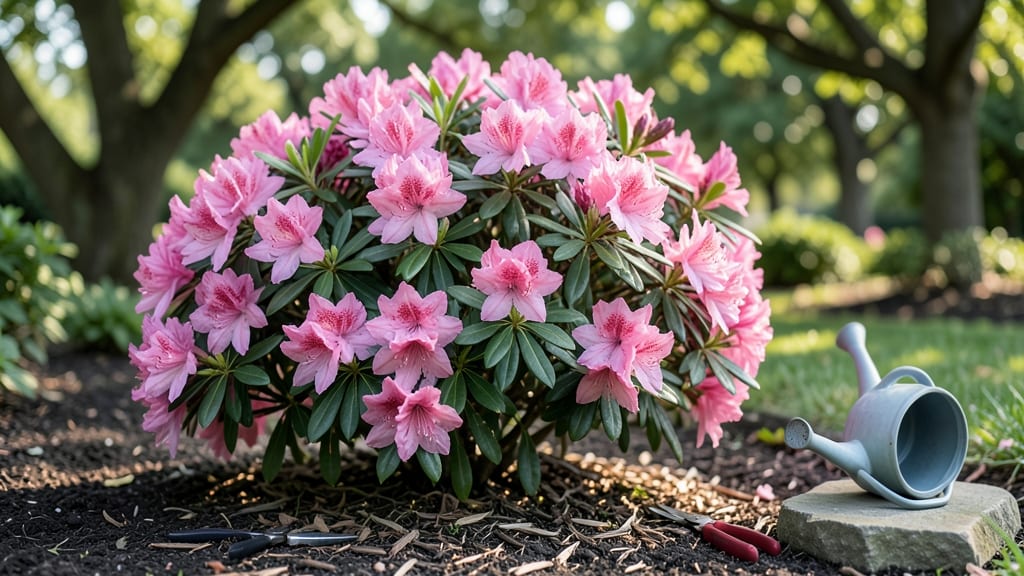
This azalea bloom-a-thon of double pink petals transforms your garden into a springtime masterpiece—those velvety blooms feel like nature’s own secret handshake. 🌸 I’ve learned the best way to make them the star isn’t just planting them; it’s staging them like a garden centerpiece. where every leaf and bloom works together to create drama.
The key is pairing them with plants that enhance their rosy glow without competing for attention.
Think of them as the diva of the garden: they thrive in dappled shade but need protection from harsh afternoon sun. I’ve found that planting them near ferns or hostas creates a lush backdrop that makes their pinks pop even more.
For a Bloom-a-Thon vibe, surround them with white dogwoods or purple clematis—the contrast is show-stopping, like a spring fashion show.
Timing is everything. These azaleas bloom in late spring, so plan your garden’s color story around that moment. A well-placed border of double pink azaleas along a path or patio turns an ordinary space into a photo-worthy retreat.
The secret? Group them in odd numbers—three or five plants create natural focal points that feel intentional, not random.
Don’t forget the seasonal transition: after blooms fade, their glossy foliage keeps the drama going. Prune lightly in summer to maintain their shape, and you’ll have a plant that delivers year-round interest.
Now, let’s talk about how to arrange them for maximum impact—whether you’re going for cottage charm or modern elegance.
📚 In This Guide
- What you need
- Instructions
- Tips and common mistakes
- Wrapping up and next steps
What you need
- ● Double Pink Azalea Plants: 1–3 mature plants (depending on desired display size)
- ● Specs: Look for Knap Hill, Hino Crimson, or Southern Indica varieties for double blooms
- ● Well-Draining Soil Mix: 50% acidic potting soil (pH 4.5–6.0)
- ● 30% perlite or orchid bark
- ● 20% compost or peat moss
- ● Organic Mulch: 2–3 inches of pine bark or cedar chips
- ● Slow-Release Azalea Fertilizer: 10–12 lb bag (e.g., Miracle-Gro Azalea, Camellia & Rhododendron Food)
- ● Garden Trowel or Spade (for planting/transplanting)
- ● Pruning Shears (sterilized, sharp blades)
- ● Gloves (gardening or work gloves for thorn protection)
- ● Watering Can or Hose with Soft Nozzle (avoid overhead spraying)
- ○ pH Testing Kit (optional but helpful for soil checks)
- ● Sunlight: Partial shade (3–6 hours of morning sun)
- ● Watering Schedule: Keep soil consistently moist (not soggy!)
- ● Pruning Timing: Trim after blooming (late spring) to encourage next year’s flowers
- ● Patience: Azaleas thrive with 2–3 years of care before peak double-pink glory!
- ● Deadhead spent blooms to redirect energy to new buds.
- ● Add a slow-release fertilizer in early spring for a longer bloom season.
- ● Pair with complementary plants like ferns or boxwoods for a lush backdrop.
Step-by-step guide to growing double pink azaleas with showstopping blooms
Here’s how to coax those lush, velvety double pink blooms from your azaleas—season after season.
🌱 Step 1: Plant in the Right Spot for Spring Color
Azaleas thrive in partial shade, with morning sun and afternoon shade—think dappled light under tall trees or a north-facing patio. I always plant mine where they get 3-4 hours of direct sun max, or the blooms fade to pale pink and the leaves scorch. The soil should be acidic (pH 4.5-6.0)—test it before planting, or mix in sulfur or peat moss to lower the pH if needed.
Dig a hole twice as wide as the root ball but only as deep as the container. This prevents burying the trunk too deep, which invites rot. Gently loosen the roots if they’re circling, then place the plant so the top of the root ball sits 1 inch above ground level. Backfill with native soil mixed with compost to improve drainage.
💧 Step 2: Water Deeply and Keep Soil Consistently Moist
Azaleas hate soggy roots but also can’t handle drought. Water deeply once a week (or daily in extreme heat) until the top 2 inches of soil feel damp. I use a soaker hose to deliver moisture slowly at the base—this prevents wetting the leaves, which can cause fungal issues. Mulch with 2-3 inches of pine bark to retain moisture and keep roots cool.
Watch for wilting leaves or crispy edges—those are your cues. If the soil feels dry just below the surface, it’s time to water again. Overwatering is worse than underwatering; azaleas will drop buds if their roots suffocate.
☀️ Step 3: Feed for Bold, Double Blooms
Azaleas need acid-loving fertilizer to produce those extra-petaled double blooms. I use a slow-release azalea/camellia fertilizer in early spring (just as buds form) and again in mid-summer. Follow the package rates—too much nitrogen means fewer flowers and more leaves. A handful of coffee grounds worked into the soil once a month also gives them a calcium boost.
Prune right after blooming to shape the plant and encourage next year’s flowers. Cut back old wood (last year’s growth) by ⅓ to open the center to airflow. Never prune in fall—you’ll remove next spring’s buds.
✂️ Step 4: Protect Blooms from Late Freezes and Pests
Double pink azaleas are late bloomers, so cover them with frost cloth if a late freeze threatens. I’ve seen buds blacken overnight when temps dip below 28°F. Once blooms appear, keep an eye out for lace bugs (tiny yellow spots on leaves) or aphids (sticky residue on petals). Spray with neem oil at the first sign of pests—it’s gentle but effective.
Deadhead spent blooms only after they’ve faded naturally—this lets the plant set seed for next year’s flowers. If you cut too early, you might prune off next season’s buds.
🌿 Step 5: Winter Prep for Next Year’s Spectacular Display
In late fall, apply a 3-inch layer of mulch to insulate roots from freezing. Azaleas are evergreen, so they need protection from winter winds. I also water deeply one last time before the ground freezes—hydrated roots handle cold better. Avoid fertilizing in fall; it encourages tender new growth that won’t survive winter.
Come spring, you’ll be rewarded with double rows of velvety pink blooms—just like in the nursery. The secret? Consistency. Azaleas repay patience with years of dramatic color if you keep their soil acidic, water steady, and prune at the right time.
Tips & tricks for growing velvety double pink azaleas
These simple strategies will help you coax out those stunning double blooms year after year.
Location is Everything: That 3-4 hours of morning sun is crucial for vibrant blooms. If your yard gets intense afternoon sun, consider planting near a north-facing wall or under tall trees that provide dappled shade. I’ve noticed my azaleas develop deeper pink hues when they get that perfect balance of light—almost like they’re basking in just the right amount of sunshine.
Soil Science Matters: The pH test is non-negotiable here—azaleas are fussy about their acidity. If your soil tests above 6.0, don’t just add compost; mix in sulfur or peat moss to bring it down to that ideal 4.5-6.0 range. I learned this the hard way when my first planting struggled—now I test every spring before fertilizing. The difference in bloom size and color is night and day.
Watering Wisdom: Those wilting leaves are your plant’s SOS signal. Stick your finger about 2 inches into the soil—if it feels dry, it’s time to water. The key is consistency: deep watering once a week beats light sprinkles daily. I’ve found that using a soaker hose in the morning gives the roots just enough moisture without encouraging fungal growth from wet leaves.
Pruning Precision: When you cut back that old wood by ⅓, make clean cuts just above a bud or branch junction. I always prune right after blooming because that’s when the plant’s energy shifts to next year’s buds. Cutting in fall removes potential flower buds that form over winter—don’t make my mistake of over-pruning in autumn!
Pro Tips for Azalea Bloom A Thon Double Pink
- These simple strategies will help you coax out those stunning double blooms year after year.
- Location is Everything: That 3-4 hours of morning sun is crucial for vibrant blooms.
- Soil Science Matters: The pH test is non-negotiable here—azaleas are fussy about their acidity.
Frequently asked questions
When is the best time to plant Azalea Bloom A Thon Double Pink?
Plant your Azalea Bloom A Thon Double Pink in early spring or fall when temperatures are mild (50–60°F). Avoid extreme heat or frost, as these azaleas are sensitive to stress. Spring planting gives roots time to establish before summer, while fall allows them to settle before winter dormancy.
How long does it take for Azalea Bloom A Thon Double Pink to bloom after planting?
Patience is key! These azaleas typically take 2–3 years to mature and bloom after planting. First-year plants focus on root growth, so provide consistent care (water, shade, and acidic soil). With proper conditions, you’ll be rewarded with stunning double pink blooms in spring.
Why aren’t my Azalea Bloom A Thon Double Pink flowers opening fully?
Several factors can cause bud drop or incomplete blooms:
- Overwatering: Azaleas hate soggy roots—ensure well-draining soil.
- Too much sun: These beauties prefer morning sun + afternoon shade.
- Nutrient deficiency: Feed with acidic, slow-release fertilizer in early spring.
- Temperature shock: Protect from late frosts or sudden heat spikes.
Can I grow Azalea Bloom A Thon Double Pink in containers?
Containers are perfect for these azaleas, but choose a large pot (15+ gallons) with drainage holes. Use peat-based or pine bark mix and replant every 2–3 years to refresh soil. Keep containers in partial shade and water consistently—containers dry out faster than garden beds.
What pests should I watch for with Azalea Bloom A Thon Double Pink?
Common pests include:
- Azalea lace bugs: Look for yellowing leaves and stippling. Treat with neem oil or insecticidal soap.
- Spider mites: Tiny webs on undersides of leaves? Spray with water to dislodge them.
- Scale insects: Sticky residue on leaves? Scrape off gently or use horticultural oil.
Pro Tip:
For extra-long blooms, deadhead spent flowers (gently twist them off) and avoid heavy pruning. These azaleas reward patience—with the right care, they’ll burst into double pink perfection year after year!
Wrapping up and next steps
The Azalea Bloom A Thon Double Pink isn’t just a burst of color—it’s a celebration of spring’s most velvety charm! These stunning blooms bring elegance and joy to gardens, containers, and even bouquets, proving that pink perfection is timeless.
Whether you’re a seasoned gardener or a newbie, this variety offers a rewarding challenge and a stunning payoff.
Ready to dive in? Start small—plant a single Double Pink azalea in your garden or a pot, and watch it transform your space into a dreamy sanctuary. Your spring just got a whole lot prettier! 🌸