
Blooming
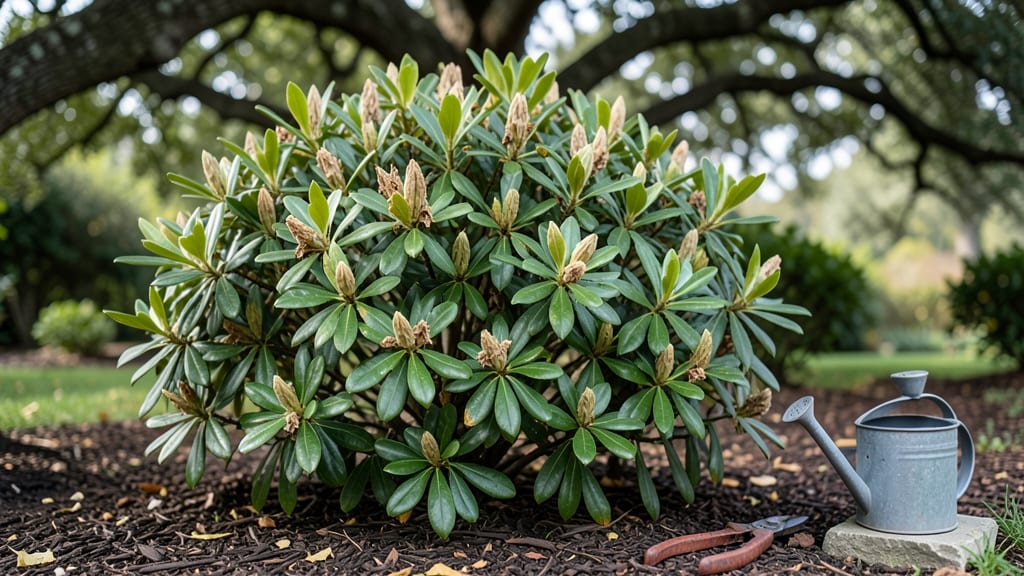
Azaleas after bloom need just three smart moves to guarantee next year’s showstopper flowers. ✨ I’ve pruned mine every spring for five years, and the difference between a handful of blooms and a wall of color comes down to timing, technique, and a little fertilizer know-how.
The first step is pruning—right after blooms fade—to shape the plant and encourage next year’s buds. Cut back leggy stems to an outward-facing bud, never more than one-third of the plant at once. This keeps the shape compact while letting sunlight reach the center.
Skip this, and you’ll end up with a lopsided plant and fewer flowers. Feed them with acid-loving fertilizer in early summer, when new growth appears. A slow-release pellet or liquid feed with high phosphorus (the middle number) boosts blooms.
Water deeply after fertilizing, and mulch with 2-3 inches of pine bark to keep roots cool and moist. The result? Healthier stems, more buds, and blooms that last longer.
This method works for both spring-blooming and reblooming varieties, whether you’re dealing with a single bush or a whole garden bed. The key is consistency—stick to this routine, and your azaleas will reward you with vibrant blooms year after year.
📚 In This Guide
- What you need
- Instructions
- Tips and common mistakes
- Wrapping up and next steps
What you need
- ● Pruning shears: Sharp, bypass-style shears (avoid anvil shears—they crush stems). Size: 6–8 inches for precision.
- ● Hand pruners: For smaller branches or tight spaces. Quantity: 1 pair.
- ○ Loppers: For thicker stems (½–1½ inches). Quantity: 1 pair (optional but helpful for mature shrubs).
- ● Disinfectant (70% isopropyl alcohol or bleach solution): Ratio: 1 part bleach to 9 parts water (for sterilizing tools).
- ● Garden gloves: Heavy-duty, cut-resistant (to protect against thorns and sap).
- ○ Pruning sealant (optional but recommended): Type: Tree wound dressing (e.g., Tanglefoot or pruning paste) for large cuts.
- ● Trash bags or bucket: For collecting pruned branches. Size: 13-gallon capacity.
- ● Hose with nozzle: For rinsing tools and cleaning sap off cuts.
- ● Knee pads: If you’re working with large azalea bushes.
- ● Notebook & pen: To sketch a quick pruning map of your azalea’s shape.
- ● Mulch (pine bark or shredded leaves): 2–3 inches thick to protect roots post-pruning.
Azalea after bloom care: step-by-step pruning for year-round health
Here’s how I transform azaleas from last year’s blooms into next season’s showstoppers—without guessing or over-pruning.
✂️ Step 1: Time Your Pruning Precisely
Wait until after all flowers fade but before new growth hardens—typically 4-6 weeks post-bloom. This timing ensures you don’t cut off next year’s flower buds, which form on last year’s growth. I prune in late May or early June in my zone 7 garden, but adjust based on your local frost dates.
Look for spent blooms turning brown and new leaves emerging on stems. If you see fresh green growth at the stem tips, you’ve missed the window. Pruning too early removes next year’s flowers; too late risks weak, leggy growth.
✂️ Step 2: Remove Dead and Weak Wood First
Start by cutting out any dead, diseased, or crossing branches with clean, sharp pruners. Dead wood is easy to spot—it’s brown, brittle, or devoid of leaves. Diseased branches often have black spots or fungal growth. Remove these first to improve airflow and prevent future issues.
Next, thin out weak, spindly stems that don’t contribute to the plant’s shape. These are the ones growing straight up or thinning out the center. I aim to keep the strongest, most vigorous branches—those with thick stems and healthy leaves. This ensures the plant directs energy to the best growth.
✂️ Step 3: Shape the Azalea with Strategic Cuts
Use hand pruners to make clean, angled cuts just above a leaf bud or lateral branch. Avoid leaving stubs—these invite disease. For larger branches, use loppers and cut at a 45-degree angle about ¼ inch above a bud facing outward. This encourages outward growth and prevents the center from becoming too dense.
Step back often to visualize the plant’s natural shape. Azaleas thrive when they’re open and airy, not crowded. I avoid cutting more than ⅓ of the plant’s total growth in one season—this prevents stress. If your azalea is overgrown, spread the pruning over two seasons to avoid shock.
💧 Step 4: Post-Pruning Care for Strong Recovery
Water deeply after pruning to help the plant recover. The roots need moisture to support new growth, especially if you’ve removed a lot of foliage. I use a soaker hose to deliver water slowly at the base of the plant, avoiding the leaves to prevent fungal issues.
Apply a balanced, slow-release fertilizer (like 10-10-10) 4-6 weeks after pruning to support regrowth. Azaleas prefer acidic soil (pH 4.5-5.5), so a peat-based fertilizer or azalea-specific formula works best. Mulch with 2-3 inches of pine bark to retain moisture and mimic their natural woodland habitat.
☀️ Step 5: Monitor for New Growth and Adjust Light
Watch for new shoots emerging from the buds you left behind—this is your signal that the pruning worked. If growth is sparse or leggy, your azalea needs more light. Most azaleas tolerate morning sun and afternoon shade, but some varieties (like Enkianthus) handle full sun better.
If you notice yellowing leaves, it could mean overwatering or poor drainage. Azaleas hate soggy roots, so ensure the soil drains well. If leaves turn purple or red, the soil may be too alkaline—amend with sulfur or peat moss to lower the pH. With proper care, your azalea will reward you with even more vibrant blooms next season.
Tips & tricks for perfect azalea pruning after bloom
Avoid these common mistakes—and transform your azalea into next year's star performer with these pro insights.
Timing is Everything: The 4-6 week window after blooms fade is non-negotiable. I learned this the hard way after accidentally pruning too early and losing next year's flower buds. Look for the perfect moment when spent blooms turn brown but new leaves haven't fully hardened yet. In my zone 7 garden, this falls reliably in late May, but always check your local frost dates—pruning too late risks leggy, weak growth that struggles to bloom.
Tool Precision Matters: Invest in a pair of sharp, clean hand pruners and loppers—dull tools crush stems and invite disease. I sterilize my tools between cuts with rubbing alcohol to prevent spreading any potential fungal spores. For larger branches, use loppers to make clean cuts at a 45-degree angle about ¼ inch above a bud facing outward. This angle prevents water from pooling on the cut and encourages new growth in the right direction.
Visualize the Plant's Future: Step back frequently during pruning to visualize the plant's natural shape. Azaleas thrive when they're open and airy, not crowded. I mentally trace the plant's growth pattern, removing branches that grow straight up or thin out the center. Remember the ⅓ rule—never remove more than one-third of the plant's total growth in one season. If your azalea is overgrown, spread the pruning over two seasons to avoid shocking the plant.
Post-Pruning Recovery: After pruning, your azalea needs proper recovery care. Water deeply at the base using a soaker hose to avoid wetting the leaves, which can cause fungal issues. Then, wait exactly 4-6 weeks before applying a balanced, slow-release fertilizer like 10-10-10. This timing gives the plant time to establish new growth before pushing for more. I always mulch with 2-3 inches of pine bark to retain moisture and maintain the acidic soil conditions azaleas love.
Pro Tips for Azalea After Bloom
- Avoid these common mistakes—and transform your azalea into next year's star performer with these pro insights.
- Timing is Everything: The 4-6 week window after blooms fade is non-negotiable.
- Tool Precision Matters: Invest in a pair of sharp, clean hand pruners and loppers—dull tools crush stems and invite disease.
Frequently asked questions
Got questions about keeping your azaleas thriving after their stunning bloom? Here are some of the most common concerns—and their solutions!
When should I prune azaleas after they finish blooming?
Prune your azaleas right after they bloom (typically late spring to early summer) to avoid cutting off next year’s flower buds, which form on old wood. Wait until all flowers have faded—this ensures you’re not sacrificing future blooms for a tidy look now.
Can I prune azaleas too much?
Yes! Over-pruning can stress your azalea, reducing blooms and even weakening its health. Stick to light shaping—remove no more than one-third of the plant’s growth at a time. Focus on thinning out crowded branches and dead or crossing stems to improve airflow.
Do I need to fertilize azaleas after blooming?
After blooming, azaleas benefit from a balanced, acidic fertilizer (like a 10-10-10 or 8-3-9 formula) to replenish nutrients. Apply it in early summer and again in late summer for best results. Avoid high-nitrogen fertilizers—they encourage leafy growth over flowers!
Why are my azalea leaves turning yellow after blooming?
Yellowing leaves often signal overwatering, nutrient deficiency, or pests. Check soil moisture—azaleas prefer consistently moist but well-draining soil. If pests (like spider mites or scale) are to blame, treat with neem oil or insecticidal soap. A soil test can also reveal if pH or nutrients need adjusting.
Can I still plant new azaleas in summer after the blooms fade?
Summer is not the ideal time to plant azaleas, as they thrive in cooler weather. However, if you must, choose mature plants and plant them in partial shade with consistent watering. Early fall (after Labor Day) is the best window for new plantings—give them time to establish roots before winter.
Wrapping up and next steps
Caring for your azaleas after they bloom is your secret weapon for a stunning repeat performance next season! 🌸 By pruning at the right time, fertilizing wisely, and protecting them from pests, you’re setting the stage for vibrant blooms that’ll steal the show.
Don’t let post-bloom care feel overwhelming—just follow these steps with confidence, and your azaleas will reward you with even more breathtaking color in years to come.
Ready to put your newfound knowledge into action? Grab your pruners and get to work—your future floral masterpiece is waiting! 🌿✨