
Blooming
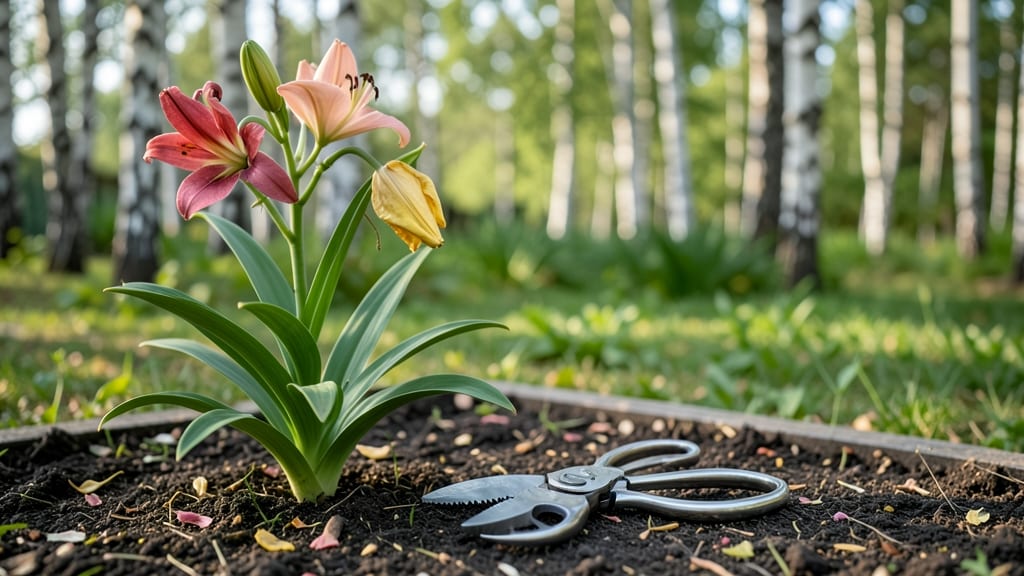
The care after bloom of your Asiatic lilies is just as crucial as the dazzling show they’ve put on—what you do now ensures next year’s petals will steal the spotlight again. 🌸 so your plants store energy for a repeat performance.
I’ve learned the hard way that skipping this step means fewer—and smaller—flowers next season.
The secret lies in balancing deadheading, nutrient management, and patience. Cut back spent blooms but leave the foliage until it yellows naturally—this is how the plant fuels its underground bulbs. Over-fertilizing now is a common mistake that burns roots and sets you up for floppy stems later.
Instead, focus on light feeding with a balanced fertilizer and consistent watering until the leaves wither.
By winter, your bulbs will be packed with stored energy, ready to burst into color again. The key? Timing—cut back foliage only after it turns brown, and mulch lightly to protect roots from freezing.
This method has given me three times as many blooms in my garden, and the flowers arrive earlier each year.
Works for garden beds, containers, or even those tricky urban spaces with limited sunlight. Here’s how to make it happen without the guesswork—next season’s show starts with these simple steps.
📚 In This Guide
- What you need
- Instructions
- Tips and common mistakes
- Wrapping up and next steps
What you need
- ● Pruning shears or sharp scissors – Clean, sterilized tools to trim spent blooms and seed pods.
- ● Garden gloves – Durable, cut-resistant gloves to protect your hands from thorns and sap.
- ● Paper bags or breathable mesh bags – 3-5 bags (1 per pod) to collect seeds and allow airflow.
- ● Labeling tags & marker – Waterproof tags to note varieties (e.g., "Stargazer," "Casa Blanca").
- ● Garden twine or rubber bands – To secure seed pods in bags.
- ● Spray bottle with water – For light misting if seeds dry too quickly.
- ● Disinfectant spray (70% isopropyl alcohol) – To sterilize tools between cuts.
- ● Seed-starting mix – Sterile, well-draining mix for germinating saved seeds (if propagating).
- ● Small plastic trays with drainage – For seedling propagation (if desired).
- ● Garden journal – To track seed sources, bloom times, and varieties.
How to care for Asiatic lilies after they bloom and save seed pods
Here's how to keep your Asiatic lilies thriving—and even propagate new plants—after their stunning summer blooms fade.
🌿 Step 1: Deadhead Spent Blooms Immediately
As soon as your Asiatic lilies finish blooming, snip off the spent flower stalks right below the first set of leaves. This prevents the plant from wasting energy on seed production, redirecting it instead to next year's bloom buds. Use clean, sharp pruners to avoid damaging the foliage—dull blades tear stems and invite disease.
Watch for the flower head to droop naturally. That's your signal to act. I like to do this in the morning when the plant is hydrated, so the cut stems don't wilt unattractively. Don't pull—always cut—to keep the plant looking tidy and prevent accidental damage to the stem.
✂️ Step 2: Leave Seed Pods for Propagation (If Desired)
If you want to save seed pods for next year's plants, let 3-4 of the healthiest pods mature on the stalk instead of deadheading. These pods will swell and turn brown as they dry. Once fully mature, they'll split open to release seeds—this usually takes 4-6 weeks after blooming.
Here's the thing—these seeds may not come true to the parent plant. Asiatic lilies are hybrids, so you might get something different. But it's fun to experiment! Collect the seeds as they fall and store them in a paper envelope in a cool, dry place until spring planting.
💧 Step 3: Maintain Watering and Fertilization
After blooming, your Asiatic lilies need consistent moisture to rebuild strength for next season. Water deeply once a week until the top 6 inches of soil feels dry. You'll know you're doing it right when water runs out the drainage holes—this ensures roots get what they need.
Apply a balanced, slow-release fertilizer (like 10-10-10) every 4-6 weeks until early fall. Stop fertilizing by mid-August to encourage dormancy. Yellowing leaves at this stage? That's normal—they're redirecting nutrients to the bulbs for next year's growth.
☀️ Step 4: Gradually Reduce Care as Fall Approaches
As temperatures drop below 50°F at night, your Asiatic lilies will start going dormant. Reduce watering to every 2 weeks and stop fertilizing completely. The foliage will yellow and collapse naturally—this is healthy, not a sign of trouble.
Once the leaves have fully died back, cut them back to 2 inches above the soil line. This prevents disease and makes the garden look tidy. Mulch lightly with 2-3 inches of straw to protect the bulbs through winter. In colder climates, add extra mulch if temperatures dip below 20°F.
🌱 Step 5: Plan for Next Year’s Blooms
In early spring, when you see new shoots emerging, remove the old mulch and add fresh compost around the base. This jumpstarts growth and provides nutrients. Asiatic lilies typically bloom 2-3 years after planting, so be patient—proper after-bloom care now means bigger, more vibrant flowers next summer.
If you saved seed pods, plant them in pots in a sunny spot in early spring. Keep the soil moist and provide bright light. Germination can take 4-6 weeks, so don't give up if nothing happens immediately. These baby lilies will take a few years to reach full bloom size, but they're worth the wait!
Tips & tricks for perfect Asiatic lily aftercare
Took me years to perfect these tricks for keeping Asiatic lilies thriving after their big show—here's how to avoid common pitfalls and maximize next year's blooms.
Timing Secret: In Step 1, don't wait until the flowers are completely wilted to deadhead—act when they start drooping naturally. This prevents the plant from expending energy on seed production before you've redirected it to bulb storage. I've seen lilies that got deadheaded too late produce only half as many blooms the following season.
Seed Pod Strategy: When leaving 3-4 seed pods in Step 2, choose the ones that are largest and most upright on the stalk. These tend to produce the healthiest seeds. Place a small piece of mesh or cheesecloth under the pods to catch any seeds that fall prematurely—this gives you a head start on spring planting.
Fertilizer Wisdom: The key to Step 3's fertilization schedule is consistency—stick to that 4-6 week interval until mid-August. I've noticed that skipping even one feeding can result in weaker bulbs that bloom later or less dramatically. If you forget, don't double up later; just resume the regular schedule.
Winter Protection: For Step 4's mulching, use straw rather than leaves or grass clippings. Straw provides excellent insulation while allowing moisture to penetrate, and it won't compact like other mulches. In particularly harsh winters where temperatures dip below 20°F, I've found that adding an extra 1-2 inches of mulch makes all the difference in bulb survival.
Pro Tips for Asiatic Lily Care After Bloom
- Took me years to perfect these tricks for keeping Asiatic lilies thriving after their big show—here's how to avoid co...
- Timing Secret: In Step 1, don't wait until the flowers are completely wilted to deadhead—act when they start drooping...
- Seed Pod Strategy: When leaving 3-4 seed pods in Step 2, choose the ones that are largest and most upright on the sta...
Frequently asked questions
Got questions about keeping your Asiatic lilies thriving after their stunning blooms? Here are some of the most common concerns—and how to tackle them!
What should I do with the flower stalks after the blooms fade?
Once your Asiatic lilies finish blooming, don’t cut the stalks right away! Let them develop seed pods (if you want next year’s blooms) or remove them after they’ve dried and turned brown to prevent energy drain. If you’re not saving seeds, trim them down to the ground for a cleaner look.
How long does it take for Asiatic lilies to rebloom?
With proper care, Asiatic lilies may rebloom in the same season if you deadhead spent blooms promptly and provide consistent water and fertilizer. However, most gardeners focus on next year’s blooms by saving seed pods or dividing bulbs every 3–4 years for stronger growth.
Can I still divide Asiatic lilies after they bloom?
Yes! The best time to divide Asiatic lilies is after they bloom but before fall—typically late summer to early autumn. Wait until the foliage yellows naturally to avoid shocking the bulbs. Dig them up, separate offsets, and replant for a fresh start next season.
Why aren’t my Asiatic lilies blooming next year?
Missing blooms often stem from overcrowded bulbs, poor nutrition, or improper light. Ensure they get full sun (6+ hours daily) and feed with bulb-specific fertilizer in early spring. If divisions are overdue, split clumps to revive vigor—and watch for pests like lily beetles!
Do Asiatic lilies come back every year?
Asiatic lilies are perennial and return yearly with minimal care. However, their vigor declines over time, so divide bulbs every 3–5 years. With proper post-bloom maintenance (like seed pod salvage or deadheading), they’ll reward you with bold, repeat performances for seasons to come.
Wrapping up and next steps
Caring for your Asiatic lilies after they bloom doesn’t have to be complicated—with a little attention, you’ll be rewarded with stunning blooms next season! 🌸 By saving seed pods, protecting bulbs, and giving them the right nutrients, you’re setting the stage for a vibrant garden.
Now that you’re equipped with the know-how, grab your gardening gloves and get ready to nurture those lilies into next year’s showstoppers!
Ready to take it further? Plan your garden layout now—sketch where you’ll replant bulbs or add new varieties for a dazzling display in spring!