
Blooming
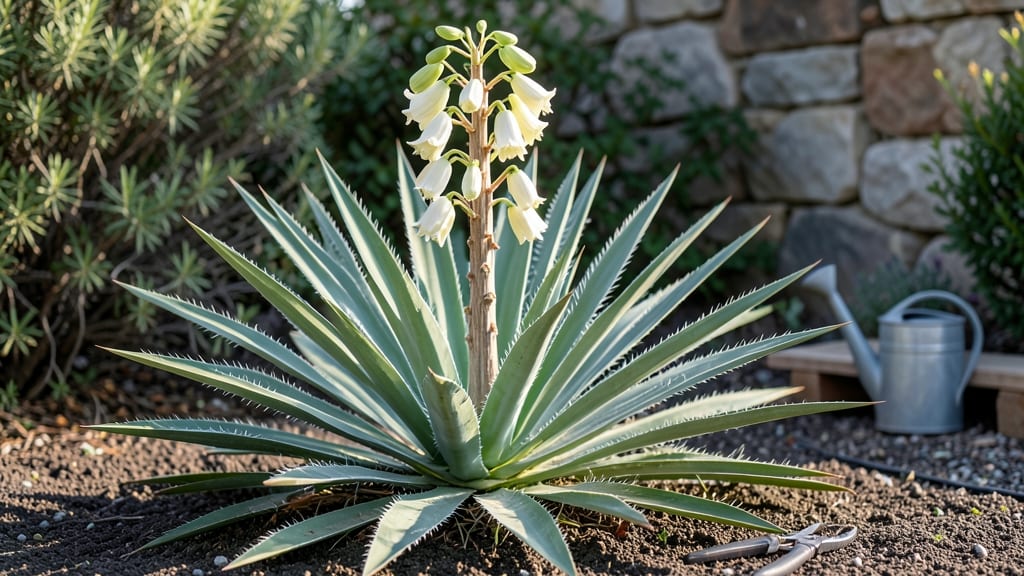
Adam's needle (Yucca filamentosa) blooms like a dramatic stage show—tall, spiky flower stalks shooting up in late spring, then disappearing just as suddenly. 🌿 I’ve watched mine transform from a sleepy clump of sword-like leaves into a garden centerpiece, and the secret to those showstopping blooms isn’t luck—it’s timing, sunlight, and a little post-bloom cleanup.
The plant thrives in full sun and well-draining soil, but it’s picky about water—too much and it sulks; too little and it skips the show. Once the flower stalk fades, cut it back at the base to redirect energy into next year’s growth.
That’s when the real magic happens: the plant channels its focus into stronger roots and more vigorous foliage. You’ll see those towering blooms return year after year, with the added bonus of self-seeding pups popping up around the base.
The more you prune and care for the mother plant, the more dramatic the display becomes—think 6-foot-tall candelabras of white flowers against a blue sky. Perfect for low-maintenance gardens, drought-prone areas, or anyone who loves a plant that makes a statement without fuss. Let’s get those blooms going!
📚 In This Guide
- What you need
- Instructions
- Tips and common mistakes
- Wrapping up and next steps
What you need
- ● Adam’s Needle seeds (or Yucca filamentosa seedlings/clumps) – 10–20 seeds for a small patch or 3–5 clumps for transplanting.
- ● Well-draining soil – Mix 60% native soil with 30% coarse sand and 10% compost (critical for preventing root rot!).
- ● Organic mulch – 2–3 inches of pine straw, gravel, or decomposed granite (helps retain moisture while allowing drainage).
- ● Watering can or hose with a gentle spray nozzle (avoid soaking seeds/clumps).
- ● Garden trowel or hand shovel (for digging holes 6–12 inches deep and 12–18 inches apart).
- ○ Gloves (optional but recommended—Yucca can be prickly!).
- ● Pruners (for trimming dead foliage or dividing mature clumps).
- ● Measuring tape or ruler (to ensure proper spacing for airflow).
- ● Full sun exposure – 6+ hours of direct sunlight daily (partial shade in hot climates can work, but blooms will be sparser).
- ● Drought-tolerant zone – USDA Hardiness Zones 4–10 (verify your local climate!).
- ● Patience for germination – Seeds may take 2–4 weeks to sprout (or up to a year in cooler climates).
- ● Slow-release fertilizer (low-nitrogen, 5-10-10 ratio) – Apply once in early spring.
- ● Epsom salt (for magnesium boost) – 1 tbsp per gallon of water, applied every 2 months.
- ● Wildlife deterrent (e.g., chicken wire) – If deer or rabbits are a problem in your area.
- ● Garden journal – Track bloom times, seedling emergence, and growth patterns!
How to grow and manage Adam's needle blooms for maximum spread
Here's how I've learned to encourage this bold perennial to thrive and multiply naturally.
🌱 Step 1: Choose the Perfect Planting Location
Adam's needle thrives in full sun with at least 6-8 hours of direct light daily. I always plant mine in well-draining soil—this plant despises soggy roots. If your garden has heavy clay, amending with 2-3 inches of compost improves drainage dramatically.
Watch for areas where existing plants have died back—Adam's needle often takes over where other perennials struggle. The key is patience: new plants may take 2-3 years to establish fully, but once they do, they'll spread aggressively through self-seeding.
☀️ Step 2: Plant at the Right Time and Depth
Spring or early fall are the best times to plant Adam's needle. Dig holes twice as wide as the root ball but only as deep as the container's base. Press the soil firmly around the roots to eliminate air pockets—this helps prevent transplant shock.
I like to space plants 12-18 inches apart initially. The stems grow tall and sturdy, but crowded plants compete for sunlight and nutrients. You'll see new growth emerge within 4-6 weeks if conditions are right—look for deep green, sword-shaped leaves as your first sign of success.
💧 Step 3: Water Deeply but Infrequently
Once established, Adam's needle is remarkably drought-tolerant. Water deeply once a week during the first growing season to encourage root development. After that, only water when the soil feels bone-dry 2-3 inches down—this plant stores moisture well in its thick stems.
Here's the thing—overwatering is the biggest mistake gardeners make. You'll know it's time to water when the leaves start curling at the edges. The plant will bounce back quickly if you catch it early, but consistent soggy soil leads to rot.
✂️ Step 4: Encourage Natural Spread Through Minimal Pruning
Cut back dead flower stalks in late winter or early spring to make room for new growth. I never remove more than one-third of the plant at a time—this helps maintain energy reserves for next year's blooms. The plant's self-seeding habit does most of the work for you.
Leave some seed heads intact if you want more plants. Adam's needle scatters seeds aggressively, often popping up in unexpected spots. You'll see new seedlings emerge in late spring or early summer—just thin them to 12 inches apart for healthy growth.
🌿 Step 5: Divide and Share When Needed
Every 3-4 years, dig up clumps in early spring and divide them. I use a sharp spade to slice through the roots, making sure each section has 3-5 stems. Replant divisions immediately—they establish faster than seeds and bloom the same year.
This is where it gets fun—give divisions to friends or plant them in new spots. Adam's needle spreads so easily that you'll soon have more plants than you know what to do with. Just remember to monitor new plantings closely for the first year to ensure they thrive.
Tips & tricks for perfect Adam's needle bloom growth
These simple strategies will help your Adam's needle thrive and spread like wildfire—without the guesswork.
Sunlight Strategy: The 6-8 hours of direct sunlight mentioned in Step 1 is non-negotiable for this plant. I've found that planting near south-facing fences or walls gives them an extra boost of heat during the afternoon. If you notice leaves turning yellow or stems stretching too tall, it's a sign they need more light—consider moving them to a sunnier spot immediately.
Soil Prep Tip: Before planting, I always test my soil's drainage by digging a hole and filling it with water. If it doesn't drain within 2 hours, I know I need to add more compost. For heavy clay soils, mixing in 2-3 inches of compost (as mentioned) creates ideal conditions, but I also recommend adding a handful of perlite or coarse sand to further improve drainage.
Transplant Timing: When you're ready to plant in Step 2, I've learned that early spring (around late March) gives roots more time to establish before summer heat arrives. The key is to plant when soil temperatures reach at least 50°F—you can check this with a soil thermometer. If you plant too early, cold soil can stunt root growth and delay that first 4-6 week emergence.
Watering Wisdom: The once-a-week watering guideline in Step 3 works perfectly for most gardens, but I've found that morning watering prevents fungal issues. Water at the base of the plant rather than overhead to keep those sword-shaped leaves dry. During extreme heat waves, you might need to water twice a week—just check that 2-3 inch bone-dry test before watering again.
Pro Tips for Adam'S Needle Bloom
- These simple strategies will help your Adam's needle thrive and spread like wildfire—without the guesswork.
- Sunlight Strategy: The 6-8 hours of direct sunlight mentioned in Step 1 is non-negotiable for this plant.
- Soil Prep Tip: Before planting, I always test my soil's drainage by digging a hole and filling it with water.
Frequently asked questions
Got questions about Adam’s needle bloom? You’re not alone—this self-sowing stunner can be as tricky as it is stunning! Here are answers to the most common queries to help you grow with confidence.
When does Adam’s needle (Yucca filamentosa) bloom?
Adam’s needle typically blooms in late spring to early summer (May–July), though timing depends on your climate. In warmer zones (USDA 5–10), expect flowers earlier, while cooler areas may see blooms slightly later. Pro tip: Mature plants (3+ years old) produce the most dramatic spikes!
Why isn’t my Adam’s needle blooming?
If your plant is healthy but skips flowers, it might be too young, underfed, or overwatered. Check these fixes:
- Ensure full sun (6+ hours daily).
- Use low-nitrogen, high-phosphorus fertilizer in early spring.
- Reduce watering—drought stress can trigger blooms!
Patience pays off: Some plants wait 5–7 years for their first showstopper!
How do I control Adam’s needle’s aggressive spread?
This plant loves to self-seed! To manage it:
- Deadhead spent flower stalks before seeds form.
- Dig up seedlings in early spring (they’re easy to spot!).
- Plant in containers if space is limited—just know it’ll still throw out offsets!
Embrace the wild side or tame it—your garden’s the boss!
Can I grow Adam’s needle indoors?
Not ideal, but possible! Place it near a bright, south-facing window and use a well-draining cactus/succulent mix. Expect slower growth and fewer blooms indoors. Warning: It’ll need dramatic seasonal temperature shifts (cool winters) to mimic outdoor conditions.
Are Adam’s needle flowers toxic to bees or pets?
Great news: These blooms are bee-friendly and non-toxic to pets! However, the sharp leaves can irritate curious pups or kittens if chewed. Keep an eye on playful pets around mature plants.
What’s a good alternative if I want something similar but less aggressive?
Try these low-maintenance, dramatic bloomers:
- Agave parryi – Spiky, drought-tolerant, and slow-spreading.
- Dracaena fragans – Fragrant flowers and clumping growth.
- Hesperaloe parviflora – Red/yellow blooms with a tidier habit.
Each offers Yucca’s drama without the self-seeding chaos!
Wrapping up and next steps
Watching Adam’s needle bloom transform your garden into a wildflower paradise is like nature’s own fireworks display! 🌸 This self-sowing perennial isn’t just beautiful—it’s low-maintenance and thrives with minimal effort, making it perfect for both beginners and seasoned gardeners. Ready to let your garden do the work for you?
Your next step? Plant a few seeds or divide an existing clump and let this hardy beauty spread naturally. Before you know it, your yard will be buzzing with pollinators and bursting with color—year after year! 🌿